

Throughout India, I have designed living rooms that harmoniously merge modern aesthetics with heritage textures. The key to a successful space begins with understanding how individuals gather, relax, and entertain. A contemporary Indian living room should honor tradition by refining it, featuring sleek lines, authentic materials, vibrant colors, and exquisite craftsmanship that fosters dialogue. Utilizing tools like Homestyler can assist in realizing these designs effectively.
Design Essentials: Functionality, Flow, and Cultural Warmth
Having clear spatial arrangements is crucial. Research from Steelcase indicates that well-organized seating and pathways can enhance comfort perceptions and alleviate stress by up to 25% in social settings, directly influencing how guests perceive your living room. Similarly, studies from Gensler underscore that flexible designs increase satisfaction and engagement; this concept translates into adaptable seating and areas that seamlessly transition between family moments and entertaining space. The Illuminating Engineering Society (IES) suggests aiming for about 100–300 lux in general living areas, with task zones requiring 300–500 lux for activities like reading or crafting. I advocate for layering ambient, accent, and task lighting to modulate mood, whether for daytime hosting or intimate evenings.
Designing with health in mind is increasingly important. The WELL v2 guidelines emphasize that visual comfort and glare control are fundamental to well-being. Ensuring balanced lighting, breathable materials, and ergonomic seating helps alleviate fatigue during longer gatherings. For more detailed advice on lighting and human comfort, consult the WELL and IES standards for practical thresholds, ensuring your space is both beautiful and gentle on the eyes.
Color Scheme: Traditional Meets Contemporary Palette
Modern Indian homes embrace vibrant colors, yet effective design often relies on restraint. The ideal palette begins with warm neutrals—such as almond, sand, or soft taupe—complemented by bold accents like indigo, saffron, emerald, or madder red. According to Verywell Mind's insights on color psychology, blues foster tranquility and concentration, while warm tones create an energizing atmosphere that encourages social interactions. I typically ground large areas with subtle hues (like walls and main upholstery) and infuse cultural vibrancy using cushions, artwork, dhurries, and vivid lacquer trays. Materials like brushed brass and vintage bronze introduce a ceremonial warmth without overwhelming the space.
Materials: Authentic, Textured, and Resilient
In modern Indian living rooms, the benefit of tactile contrasts is immense—pairing solid woods (teak, sheesham) with stone (Kota, terrazzo), natural textiles (cotton, linen, jute), and one standout craft element like handloom fabrics or cane accents. I steer clear of overly shiny finishes in frequently touched areas; subtle lacquers lend a calming effect and disguise daily wear effortlessly. Prioritizing sustainability is straightforward when you select locally sourced hardwoods, low-VOC finishes, and textiles crafted by local cooperatives. Material Connexion serves as a valuable resource for durable, low-emission options in upholstery and coatings.
Layout: Gathering Spaces and Versatile Zones
In Indian homes where multi-generational gatherings are common, creating a central conversation hub—like a sofa paired with two lounge chairs or a sectional with nested stools—is vital. Ensure circulation paths exceed 900 mm to prevent collisions during entertaining. In apartments, angling the sofa diagonally can break up the boxy format and enhance visibility to windows and art pieces. If you're looking to experiment with designs, spatial visualization tools like Homestyler can help you plan seating arrangements and traffic patterns.
Utilizing a room design visualization tool
Lighting: Layered and Free from Glare
Start with warm-white ambient lighting (2700–3000K), using ceiling-mounted fixtures or concealed coves. Enhance the space with accent lights for showcasing artisanal pieces—like picture lights or small spotlights—ensuring they do not create glare at eye level. Task lamps near reading spots should provide 300–500 lux; utilizing dimmable fixtures allows for easy transitions from lively gatherings to serene evenings. I recommend avoiding cool 4000K+ lighting in living rooms, unless balanced with warm accent illumination to create harmony.
Seating and Comfort Considerations
Ideal seat depths range between 500–550 mm for most adults, with seat heights between 430–460 mm to facilitate standing. Sofas featuring medium-density foam and a back angle of 12–18° are designed for comfort during prolonged conversations. Incorporating at least two mobile poufs or stools can effectively accommodate extra guests and can be easily shifted between zones. Coffee table height should be between 380–450 mm, ensuring a clearance of 450–600 mm around the edges for effortless movement. These details centered around human scale ensure modern styles remain welcoming and hospitable.
Textures and Craft: Modern Yet Unpretentious
India's rich craft heritage includes various techniques such as block printing, kantha, ikat, chikankari, cane, and stone inlay. I prefer to spotlight one prominent craft while incorporating supporting textures to minimize visual clutter. One effective approach is using a handloom dhurrie in indigo and off-white, alongside a cane-front storage unit and a singular brass urli as a statement piece. Lightweight linens and cottons are preferable in tropical climates as they breathe better than heavier fabrics like velvet. Textured plaster or limewash offers depth without overwhelming patterns.
Seamless Technology Integration
Conceal wires by using skirting channels, centralize charging stations within the console, and mount televisions with matte finishes to lessen reflections. Employ smart dimmers to create preset scenes—such as “Tea time,” “Movie,” or “Guests”—without relying on conspicuous hardware. Keep remote controls organized in a tray to maintain visual order.
Acoustic Considerations: Creating a Quiet Space
Rooms often made of stone and plaster can create echoes. To counter this, incorporate textiles: use an area rug proportionate to the seating layout, lined drapes, and upholstered furnishings. Bookshelves and decorative screens can serve as sound diffusers. Aim to minimize hard, parallel surfaces; even a single fabric panel and rug can significantly diminish reverberation in a space.
Art, Objects, and Remembrance
Opting for a modern aesthetic does not necessitate stripping a space to stark minimalism. Instead, select fewer, larger pieces—like a singular Tanjore painting or a striking contemporary photograph complemented by sculptural pottery. Organize objects by material or narrative rather than quantity; grouping three hand-thrown ceramic pieces on a console creates a calmer visual impact compared to cluttering with numerous smaller items.
Strategies for Small Indian Apartments
In small spaces, favor furniture with elevated legs to reveal more flooring; nested tables and wall-mounted shelves conserve space. Strategically placed mirrors opposite windows enhance natural light, but to minimize glare, they should not face the main entrance directly. Consider incorporating foldable charpais or stackable stools for additional seating that can be tucked away when not in use.
Adapting for the Monsoon Season
When facing moisture, resilience becomes essential. Elevate rugs slightly to encourage airflow, select mildew-resistant wall paint, and use washable slipcovers that are easy to maintain mid-season. Keep brass and iron decorations away from direct humidity, and use microcrystalline wax on metal features to minimize tarnishing.
Design Trends for 2024-2025
In upcoming years, expect to see warmer neutral tones, sculptural lighting with soft diffusers and ribbed glass elements, along with a resurgence of cane and rattan materials, complemented by low-sheen woods. Curvier shapes are replacing angular forms. Color highlights are likely to trend towards turmeric yellows, deep teals, and earthy reds. Further emphasis on wellness-oriented lighting and adaptable seating will continue to influence living room designs.
Quick Tips Checklist
- Start with a palette of warm neutrals, layering two accent colors (for example, indigo and saffron).
- Establish a central conversation area, ensuring clear paths of at least 900 mm.
- Aim for ambient lighting around 2700–3000K, with task lighting of 300–500 lux; consider adding dimmers.
- Mix wood, stone, and natural fibers while highlighting one key craft texture.
- Incorporate acoustics management through rugs, curtains, and bookshelves.
- Conceal technology, pre-set lighting themes, and organize remotes.
- Curate fewer, larger art pieces for a more tranquil atmosphere.
Frequently Asked Questions
For general ambient lighting, target 100–300 lux and 300–500 lux for reading or craftwork. A warm-white (2700–3000K) shade keeps the room inviting.
Utilize warm neutrals as a base, accented with bold colors like indigo, saffron, and emerald. Capture vibrancy through textiles and artwork, rather than extensive surface areas.
Select materials like teak or sheesham, Kota stone or terrazzo, and breathable fabrics such as cotton and linen. Low-sheen finishes are more effective in managing humidity and daily wear.
Form a central seating configuration while ensuring at least 900 mm of clear pathways. Include mobile stools for extra seating and create a calming reading nook near windows.
Implement a properly sized area rug that corresponds with the seating layout, lined curtains, and upholstered seating. Use bookshelves and decorative screens to assist with acoustic diffusion.
For optimal comfort, maintain seat heights of 430–460 mm, depths of 500–550 mm, and a back angle of about 12–18°. Adequate clearance of 450–600 mm around tables will facilitate movement.
Focus on one standout craft like a handloom rug, cane storage piece, or block-printed cushions while complementing it with simpler textures. Fewer, larger art statements promote a serene environment.
Effectively manage wiring, utilize smart dimmers for scene pre-setting, and select matte finishes for TVs to minimize glare. Keep remotes and chargers organized in a console for tidy aesthetics.
In small spaces, prioritize furniture with legs, nested tables, wall-mounted shelving, and foldable or stackable seating. Incorporate mirrors wisely to enhance lighting without reflecting the front entrance directly.
Select moisture-resistant paints, breathable slipcovers, and raise rugs for optimal airflow. Apply microcrystalline wax to metal items to help protect against tarnishing.

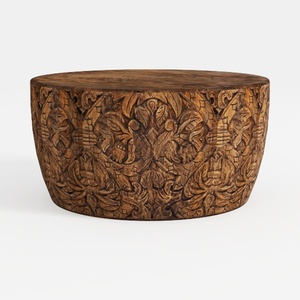
Modern Solid Wood Brass Accent Single Drawer Coffee Table 3D Model

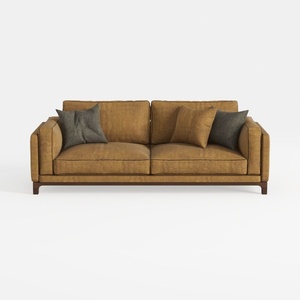
Minimalist Fabric Upholstered 2 Seater Sofa with Throw Pillows 3D Model
Discover the joy of home design with Homestyler! This user-friendly platform offers an intuitive online design tool, stunning 3D renderings, and a wealth of design projects and DIY video tutorials. Transform your space effortlessly and unleash your creativity today!
Design Now for FREE
































