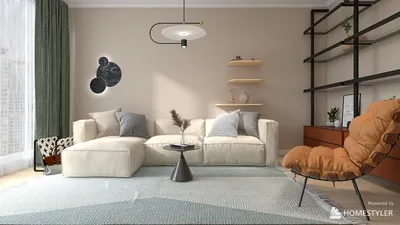


As we look toward future living standards, the necessity for smooth hospitality services has become apparent, even as many hotels still grapple with issues like delays at check-in, disconnected circulation, and underutilized lobby spaces. I envision the ground floor as an interactive operating system, where each section caters to distinct behaviors. Research by NAHB and trends in hospitality indicate that multifunctional shared areas are effective in enhancing guest satisfaction across various demographics. In this scenario, the detailed floor plan of a five-star hotel becomes my framework, transforming the lobby into a programmable interface. The future is approaching rapidly, and I find myself embracing it sooner rather than later. Utilizing Homestyler can greatly assist in visualizing these spatial complexities.
Arrival Lobby Spine
Design Concept: The central spine strategically connects reception, concierge services, and lounge areas, akin to a command center, effectively reducing wait times and optimizing first impressions for a more flexible guest experience.
Traffic Flow: From entry to reception nodes, followed by lounge buffers, and up to elevator cores; this layout provides an efficient pathway to manage peak traffic times.
Sightlines: Reception can be seen from three steps, with concierge visibility from five; layered glazing draws attention to vertical cores, while art installations function as user interface indicators.
Storage Solutions: A concealed bell desk behind the reception, along with a luggage area designed to hold 1.5 times peak capacity, ensures fast resets with discreet linen storage.
Furniture Design: Utilizing modular lounge islands with seat depths of 30-36 inches, high-density café tables that are 24 inches square, and wayfinding consoles compliant with ADA standards.
Conclusion: This spine organizes the arrival experience into a navigable interface; it will efficiently handle high-traffic situations and maintain a clean aesthetic for years to come.
save pin
F&B Axis with Garden Interface
Design Concept: The dining and bar areas run along a parallel axis that connects to an outdoor court; the food services enhance social interactions through an interactive bandwidth.
Traffic Flow: Moving from lounge to the bar threshold, then to the restaurant and terrace; pantry lines discreetly manage back-of-house operations without disrupting guest experiences.
Sightlines: The bar anchors the axis as a focal point; partial screens design layers that showcase the movement from plate to table without revealing the preparation process.
Storage Solutions: Provisions for cold and dry storage near service access, vertical banks for glassware, and a foldable terrace kit stored away for optimal space management.
Furniture Design: 30-inch dining tables spaced 36 inches apart, banquettes at an 18-inch seat height, and a bar at 42 inches with adequate knee clearance; terrace modules designed to interconnect seamlessly like APIs.
Conclusion: This axis transforms dining into a structured experience, ensuring revenue stability by adapting from calm breakfast settings to busy evening service.
save pin
Event Hub + Concierge Retail
Design Concept: The combination of a divisible salon and a micro-retail area creates an event hub that seamlessly integrates gatherings, brand experiences, and convenient purchases into one cohesive unit.
Traffic Flow: Guest movement runs from the lobby to pre-function areas, salon partitions, and a service pantry, with retail operating as an adjacent loop to facilitate easy access.
Sightlines: The pre-function space operates like a portal; transparent partitions focus attention on the main event while providing a tranquil atmosphere.
Storage Solutions: AV equipment cleverly integrated into wall bays, portable chair carts neatly stored behind soundproof panels, and organized retail backstock that makes transitions effortless.
Furniture Design: Salon tables at 60 inches round with adaptable bases, stacking chairs at an 18-inch height, and retail gondolas positioned at 36 inches for optimal visibility.
Conclusion: This hub serves as a flexible protocol; five years from now, it will continue to support hybrid events with ease between different formats.
save pin
Final Thoughts
The detailed ground floor plan of a five-star hotel should function as a hospitality interface rather than remaining a static lobby. With features ranging from lobby spines to F&B axes and event hubs, the ground level evolves into a programmable layer that adapts to shifting guest behaviors, technology, and service demands. From my perspective, the most innovative hotels of the future won't necessarily be larger but will focus on thoughtful design. I consistently observe how subtle spatial choices can profoundly impact guests’ arrivals, dining experiences, and social interactions, and leveraging tools like Homestyler can assist in visualizing these critical spatial dynamics.

Looking to transform your home design dreams into reality? Homestyler is your go-to online platform! With its user-friendly design tool, stunning 3D renderings, and a wealth of inspiring video tutorials, you can effortlessly create and visualize your ideal space. Start designing today!
تصميم الآن مجانا
































