


Hotel conference spaces have transitioned from traditional ballrooms to dynamic environments designed for flexibility and multi-functionality, where teams demand cutting-edge technology, intuitive layouts, and all-day comfort. In my project experiences, the most effective rooms harmonize acoustics, lighting, and adaptable furniture, enabling quick transitions from workshops to board meetings within moments. Research indicates that providing a variety of work environments leads to improved performance; for instance, Gensler’s U.S. Workplace Survey highlights that settings catering to diverse needs enhance effectiveness and satisfaction, underscoring the importance of versatile spaces in hospitality venues.
Ensuring comfort and wellness is equally vital as flexibility. WELL v2 guidelines advocate for maintaining specific light levels and mitigating glare to sustain visual comfort, while also connecting light and temperature management to user satisfaction and alertness. Additionally, Steelcase's findings reveal that varied postures and ergonomic features can minimize fatigue and maintain focus throughout longer meetings. These standards ground hotel meeting environments in substantial evidence, guiding planners and operators in making informed decisions that can significantly benefit outcomes. For more information on these standards, refer to WELL v2 and Steelcase Research.
Understanding Flexible Meeting Spaces
A flexible hotel conference room can swiftly adapt its layout to suit different formats—be it boardroom, classroom, U-shape, cabaret, or theater—without the need for constant technical intervention. The core components include modular furniture, integrated power solutions, distributed AV systems, and acoustically zoned areas. My planning strategy involves a kit-of-parts approach that incorporates mobile flip-top tables, stackable chairs, standalone writable panels, and ceiling structures adaptable for both lighting and microphone setups. The objective is seamless reconfiguration by the staff, ideally within minutes rather than hours.
Essential Space Planning Guidelines
Begin by establishing program ratios. For classroom arrangements, I allocate 20-28 sq ft per person (including tables and circulation), 12-18 sq ft for theater setups, and 30-35 sq ft for cabaret configurations that facilitate collaboration. Ensuring clearances is crucial—maintain a minimum of 44-48 inches for main aisles to enable smooth flow and ADA compliance, with side clearances of 18-24 inches. When working with teams to explore different setups, I frequently utilize a room layout tool to visualize traffic patterns, sightlines, and AV coverage before determining the final furniture quantities.
Illumination: Enhancing Visibility, Energy, and Atmosphere
A layered lighting approach is essential. Aim for work surfaces to receive 300-500 lux with a neutral color temperature around 3500-4000K for optimal alertness and comfort. Maintain vertical illuminance on the presentation wall around 200-300 lux for visibility during hybrid sessions. I recommend high-CRI lighting sources (90+) for true color representation on branding materials and signage. To prevent glare that could disrupt concentration, use parabolic louvers or indirect light fixtures, dimmable control systems, and localized controls at the lectern. The WELL v2 Light concept emphasizes circadian-supportive techniques; in practice, this means providing occupants with the ability to adjust brightness and employing presets for various session types like “Presentation,” “Workshop,” and “Breakout.”
Acoustic Comfort for Clear Communication
Even the most aesthetically pleasing rooms can fail if sound quality is poor. Aim for an RT60 (reverberation time) target between 0.5 and 0.7 seconds for medium-sized rooms; utilize a combination of absorptive ceiling tiles (NRC 0.8+), wall panels at reflection points, and soft flooring materials. For hybrid meetings, incorporating beamforming microphones and distributed ceiling speakers can mitigate sound hotspots and maintain a natural vocal quality. When subdividing larger ballrooms, consider their STC ratings for partitions and introduce mechanical isolation to prevent HVAC noise from interfering with recordings.
Furniture Choices and Ergonomics
Comfort translates to endurance. I prefer chairs with features such as synchronous tilt, adjustable lumbar support, and at least 2.5 inches of high-density foam for sessions exceeding 60 minutes. Tables should ideally range from 28 to 29 inches in height; effective cable management through flip-tops minimizes clutter. For workshop arrangements, combining standing counters (40-42 in) with seating encourages movement. Research indicates that varying postures can help reduce fatigue, making it beneficial to include perches or leaning rails around the space to facilitate movement between segments.
Technology and Support for Hybrid Meetings
Contemporary hotel conference rooms need to enable plug-and-play collaboration. Aim for dual displays between 75 to 98 inches in size, ensuring viewers can be seated no more than six times the display height for legibility. Incorporate USB-C/HDMI ports at table edges, strategically positioned ceiling-mounted PTZ cameras, and acoustic echo cancellation. Distributing floor boxes in a grid of 10-12 feet and specifying Power over Ethernet for ceiling devices can ease retrofitting challenges. Control panel presets should cater to “All Remote,” “Local Workshop,” and “Keynote,” with each preset adjusting lighting, shading, and audio distribution accordingly.
The Psychology of Color in Brand Experience
Color has the power to influence behavior. Warm neutrals paired with desaturated greens can reduce tension and foster collaboration, while intense reds might enhance focus but should only be used sparingly for focal features. Insights from Verywell Mind highlight the connection between blue and feelings of stability and trust, making it a reliable choice for corporate settings. It is advisable to steer clear of overly bright colors on large surfaces near screens to avoid visual strain.
Layout Examples and Quick Transition Strategies
- Boardroom (10-18 attendees): emphasize a presenter’s eye level, surround with 360° microphones, and enhance acoustic treatment on the back wall. Maintain 30-36 inches distance between chairs for comfort.
- Classroom (24-60 attendees): opt for narrower tables (18-20 inches in depth) to boost capacity without crowding; stagger chairs for optimal sight lines.
- U-Shape / Horseshoe: allow an open end of 8-10 feet for presenter movement and implement cable runners where necessary.
- Cabaret (5-6 people per round): angle tables 15° toward the presentation area; use half-rounds to enhance sightlines.
- Theater: include tablet arms near aisles for those taking notes; strengthen aisle lighting to reach 50-100 lux for safe exits.
When I design these layouts, utilizing a visual interior layout planner enables teams to assess occupancy levels, camera positioning, and speaker reach before final decisions are made.
Material Choices, Sustainability, and Maintenance
Durability and ease of cleaning are key considerations in material selection. I prioritize bleach-cleanable fabrics that can withstand over 100,000 double rubs Wyzenbeek for high-traffic areas, along with solution-dyed fibers that resist fading and low-VOC finishes to align with wellness aspirations. Durable tabletops made from high-pressure laminate with robust ABS edges can handle frequent alterations. Opt for carpet tiles equipped with cushion backing to minimize noise and enable spot repairs. Whenever feasible, choose materials with environmental certifications and recycled content while ensuring high performance.
Optimizing Wayfinding, Hospitality Touchpoints, and Overall Flow
Guests may arrive with varying levels of stress. Defining clear pre-function areas, employing intuitive signage, and ensuring visible check-in points can help reduce brain overload. Providing water, charging stations, and comfortable seating near entryways can accommodate early arrivals. Ensure staff service paths are discreet yet readily accessible, allowing them to replenish amenities without disrupting sightlines. An entry buffer zone of 6-8 feet can prevent congestion and maintain acoustic privacy.
Operational Efficiency: Speed of Turnover and Staff Workflow
Designing for rapid transitions is crucial. Utilize color-coded furniture legs to signify various layout types, stencil grid references on the floor beneath carpeting for quick navigation, and affix fold-out cards featuring two standard configurations on walls for simple team guidance. Employing lockable casters, nesting tables, and stackable chairs can significantly reduce turnover duration. Additionally, storing AV components and cables in labeled compartments around the room’s perimeter can streamline operations.
Budgeting Priorities: Areas for Initial Investment
In the face of budget constraints, I prioritize three key areas: acoustic treatments, lighting controls, and ergonomic seating. These elements are crucial for perceived quality and meeting endurance. Next, I recommend investing in essential hybrid technology—high-quality cameras and microphones should take precedence over decorative finishes. Lastly, allocate funds for mobility features such as carts, nesting tables, and modular writable surfaces to amplify the room's versatility across varying formats.
Conference Room Readiness Checklist
- Versatile, dimmable lighting with preset options.
- Acoustically optimized structure (RT60 around 0.5-0.7 seconds).
- Ergonomically designed seating to support longer engagements.
- Modular and mobile furniture systems.
- AV technology ready for hybrid meetings with easy controls.
- Sufficient power layout and effective cable organization.
- Sustainable, durable materials that are easy to maintain.
- Effective wayfinding and comfortable pre-function areas.
- Ample storage for quick room reconfigurations and spare technology.
Frequently Asked Questions
Q1. What are the optimal lighting levels for conference rooms?
A1. Aim for 300-500 lux on work surfaces with a color temperature of 3500-4000K. Maintain vertical illumination around 200-300 lux at presentation walls and include dimmable presets for varied functionalities.
Q2. How can I enhance speech clarity in a hotel meeting space?
A2. Target an RT60 of 0.5-0.7 seconds, using a combination of ceiling and wall absorptive materials, soft flooring, and strategic diffusion. For hybrid configurations, pair beamforming microphones with overhead speakers.
Q3. What are the required space allocations for different room layouts?
A3. For theaters, allocate 12-18 sq ft per person; for classrooms, budget 20-28 sq ft per person; and for cabaret setups, plan for 30-35 sq ft per person. Maintain a minimum of 44-48 inches in primary aisles to ensure comfortable movement.
Q4. Which furniture features are crucial for adaptability?
A4. Important features include flip-top nesting tables, stackable chairs, lockable casters, and freestanding writable panels. Integrating power sources at table edges promotes cleanliness during swift reconfigurations.
Q5. How should I approach the incorporation of hybrid technology?
A5. Implement large dual displays, align PTZ cameras with eye level, utilize echo cancellation, and ensure connectivity via USB-C/HDMI for both table and ceiling connections. Establish scene presets for local, remote, and keynote presentations.
Q6. What color schemes encourage focus and relaxation?
A6. Use neutral tones combined with desaturated greens and blues to encourage calm and trust; reserve vibrant accents for focal points. Avoid highly saturated colors on expansive areas near screens to mitigate visual strain.
Q7. Which materials strike a balance between sustainability and durability?
A7. Select bleach-cleanable fabrics with high abrasion resistance, low-VOC finishes, solution-dyed fibers, high-pressure laminate tabletops, and acoustic-friendly carpet tiles to enhance maintenance and noise control.
Q8. What strategies can accelerate room turnovers between sessions?
A8. Standardize two or three layout options, color-code furniture types, utilize nesting or stackable pieces, and develop quick-reference diagrams. Storing AV equipment on-site and ensuring adequate perimeter storage facilitates swift transitions.
Q9. What common mistakes occur in conference room design?
A9. A predominant error is neglecting acoustics; attractive spaces cannot compensate for inadequate sound quality. Prioritize features for sound absorption and proper positioning of microphones and speakers from the outset.
Q10. How can I plan effective power distribution?
A10. Combine wall outlets with floor boxes arranged on a 10-12 ft grid. Utilize cable management solutions and table-mounted power options to prevent hazards and maintain clean surfaces.
Q11. Are dim-to-warm fixtures beneficial?
A11. Yes, these can be advantageous for social functions and evening gatherings. However, for daytime meetings, it is preferable to use neutral white with high CRI and utilize presets to adjust from workshop to keynote settings without altering color quality.
Q12. What seating specifications support longer meetings?
A12. Select chairs equipped with adjustable lumbar support, synchronized tilt mechanisms, breathable backrest materials, and high-density foam of at least 2.5 inches. Incorporating opportunities for posture variation with perches and standing tables can enhance comfort throughout extended sessions.
Originally incubated at Autodesk, Homestyler has grown into one of the most widely adopted home design platforms in the world, now trusted by over 18 million users. Whether you're a homeowner exploring ideas or a professional designer delivering client-ready renders, Homestyler brings industry-leading 3D technology to your fingertips — no experience required.

Barbuda Teak Folding Chair
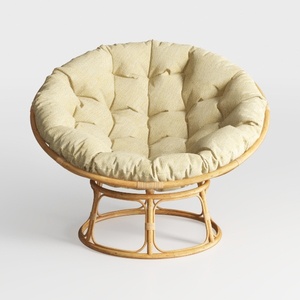
Rattan Fabric Papasan Lounge Chair 3D Model

Fabric Accent Chair, Upholstered Armchair with
Homestyler is your go-to platform for effortless home design. With its user-friendly online design tool, stunning 3D renderings, and a wealth of DIY video tutorials, you can easily create and visualize your ideal space. Transform your home design dreams into reality today!
Design Now for FREE
































