


As we approach the future, contemporary households continue to grapple with cluttered layouts, conflicting noise, and rigid routines. My design philosophy aims to bridge these challenges. Recent surveys by NAHB indicate that open yet well-organized spaces are the foremost renovation goal, as families seek adaptable environments. In the design and plan for a six-room house on the first floor, I approach the layout as a foundational blueprint for the lifestyles of tomorrow, ensuring that every room thoughtfully balances bandwidth, privacy, and communal traditions, using a spatial reasoning toolkit.
Prototype A: Courtyard Spine with Split Public/Private Areas
Design Logic: The design clusters public spaces along a central spine, with a quiet suite branching off to accommodate hybrid work environments and multigenerational interactions.
Flow: Starting from the entry, the pathway flows through a mudroom buffer into the living hub, dining area, kitchen laboratory, side hall, a flexible room, and a guest suite; this arrangement reads like a meticulously crafted script.
Sightlines: Diagonal perspectives from the entry to the garden maintain a clear hierarchy, while sightlines in the kitchen provide a glimpse of activity without revealing any clutter.
Storage: The mudroom wall, pantry column, and under-stair caches are arranged in a manner reminiscent of tiered memories, offering both quick-access storage and deeper archival solutions.
Furniture Fit: The sofa modules should be 36–40" in depth, ensuring a minimum of 30" for traffic lanes and a 36" clearance around the dining table—design principles that prevent latency in daily movement.
Verdict: This central spine design conserves attention and anticipates five years of blended work and life without acoustic disruption or spatial fatigue. Consider incorporating tools like Homestyler to visualize your design concepts effectively.
save pin
Prototype B: Ring Topology Surrounding a Light Well
Design Logic: This configuration organizes six rooms around a bright central core, where natural light serves as the operating system that influences mood and energy.
Flow: The looping pathway allows for seamless transitions between cooking, dining, and living, with private rooms branching off like subroutines offering controlled access.
Sightlines: The design incorporates layered reveals, offering a soft focus toward the light well and sharp edges toward task zones, thus preventing visual overload.
Storage: Perimeter built-ins function like a circular archive, featuring shallow depths for quick access and taller sections for longer-term storage.
Furniture Fit: Curved-edge tables, a modular banquette with an 18" seat height, and a 42" ring corridor create precision that respects the overall flow.
Verdict: The ring topology fosters ongoing momentum, making it ideal for families whose daily routines are dynamic and ever-changing.
save pin
Prototype C: Axial Sequence with Threshold Gradients
Design Logic: This design features an axis that connects the entry, living, dining, kitchen, and two flexible rooms; the thresholds adjust privacy like customizable permissions.
Flow: The entry is compact, the living area expands, the dining space narrows for purpose, and the kitchen prioritizes focus, while the flexible rooms diverge into quieter tasks, creating a rhythmic flow.
Sightlines: The primary axis encourages long perspectives, while secondary cross-views serve as informative cues revealing function without compromising clarity.
Storage: With drawers in the island, a tall pantry, and a grid of niches in the hallway, this design carefully balances frequently used items with seasonal archives.
Furniture Fit: A dining table of 72–84" and an island with a 48" circulation space paired with task chairs that fit under a 29" desk represent design elements tailored for future hybrid lifestyles.
Verdict: This axial design remains calm under pressure, prepared to accommodate evolving schedules, technology, and multiple users.
save pin
Final Takeaway
The design and plan of the six-room house on the first floor represents a negotiation among attention, accessibility, and adaptability—not merely measuring square footage. Varieties such as open-concept living, flexible room sequencing, and daylight-focused layouts serve as long-term solutions that enhance daily rituals. My experience leads me to believe that the smartest homes of the future won’t necessarily be larger but more intentional. Notably, tools like Homestyler can help visualize these thoughtful design choices that transform how families inhabit their spaces.
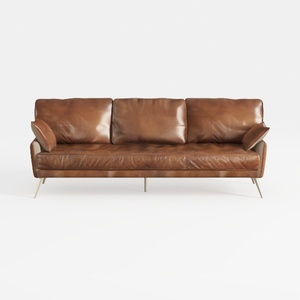
Modern Vintage Leather 3 Seater Sofa With Metal Legs 3D Model

Monarch Specialties 7657 Computer Desk, Home Offic
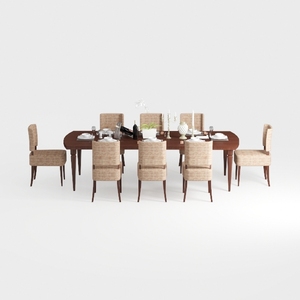
COLAMY Upholstered Parsons Dining Chairs Set of 4
Homestyler is your go-to online home design platform! With its user-friendly design tool, stunning 3D renderings, and a wealth of DIY video tutorials, you can effortlessly transform your decorating dreams into reality. Discover creative inspiration and elevate your space today!
지금 무료로 디자인하세요
































