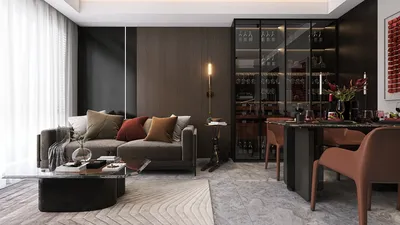


The evolution of residential living continues to redefine space usage within our homes. Today's challenge is a ground floor that must serve multiple purposes simultaneously – functioning as a lobby, laboratory, and living room all at once. As highlighted by Zillow, there is a growing demand for flexible, multi-functional main levels, with consistent interest in such listings increasing year after year. The 60×40 layout emerges as a foundational model for this transformation, shaping a serene environment where logistics, natural light, and privacy can coexist harmoniously in the upcoming decade. Utilizing tools like Homestyler can help design such efficient spaces.
Street-Facing Hybrid Lobby + Living Core
Design Concept: The front third of the residence is transformed into a versatile lobby-lounge, catering to deliveries, guests, and remote work activities, while maintaining a separation from family areas. Cities of the future will require accessible yet secure entryways.
Flow: The layout progresses from the entryway to a drop zone, then to the lounge bay, followed by a central circulation area, and ultimately the kitchen. A side entry leads to a service corridor, minimizing cross-movement.
Sightlines: Deliberate diagonal views are established from the main entrance to the lounge and central pathway, while the kitchen remains a secondary space. Large windows capture street activity, offering information rather than mere spectacle.
Storage: An integrated wall storage system along the entry and lounge, measuring 16 to 18 inches in depth, features hidden compartments for packages and equipment, with bulk storage located under the stairs for seldom-used items.
Furniture Arrangement: Sofa modules are designed to be 30 to 34 inches deep; two chairs rotate within a 7-foot diameter; a console table takes 12 inches against the tech wall, and an 8×10-foot area rug serves as the focal point.
Conclusion: This lobby-core design serves as a buffer against urban distractions, enabling the home to seamlessly transition between hospitality and solitude based on demand over the next five years.
save pin
Rear Kitchen + Dining as Service Hub
Design Concept: The back section of the home encompasses the service hub, which includes the kitchen, dining area, and utility spaces. Here, the heat, smells, and vibrant activity gathered become features to celebrate rather than concerns; future culinary experiences will evolve into programmable rituals.
Flow: The layout begins at the main spine, moving toward a prep island, then a cooking area, pantry, and finally a rear exit. The dining area runs parallel, allowing for quick transitions between the fridge, dining table, and outdoor space.
Sightlines: The prep island acts as a heads-up display, providing short views of the cooktop and lengthy sight lines to the garden. Lower partitions maintain an organized look without inviting noise.
Storage: The pantry wall features a tiered storage system, with larger items at the bottom, everyday items in the middle, and specialty items near the top. Toe-kick drawers help utilize even the smallest spaces.
Furniture Arrangement: The kitchen island measures 36×96 inches, ensuring 42 inches of clearance around it. The dining table is 36×72 inches, accommodating six or eight with ease; and chairs designed with an 18-inch width adhere to standard dimensions.
Conclusion: This service hub transforms routine kitchen activities into efficient processes, preparing the household for future meal trends, micro-hosting opportunities, and adaptable delivery options.
save pin
Side Suite + Service Corridor for Privacy Management
Design Concept: A compact suite located along the long side of the ground floor is ideal for accommodating multigenerational living or hosting discreet client meetings. Here, privacy is achieved through strategic design rather than heavy partitioning.
Flow: The layout includes a path from the central spine to a pocket door leading into the suite, accompanied by a bathroom and side exit, while a service corridor connects laundry and storage without disrupting primary areas.
Sightlines: Frosted clerestory windows allow daylight to filter in without compromising privacy; the corridor is visually narrow yet clear, akin to code notation in a sidebar menu.
Storage: A combination of linen towers, bench-drawers, and overhead cabinets creates a multi-layered storage system, while maintaining 15–18 inch depths for an uncluttered flow of movement.
Furniture Arrangement: A queen bed measuring 60×80 inches with 30–36 inches of space on either side; a desk at 24×48 inches faces inviting natural light; and a wardrobe, 24 inches deep with sliding doors, optimizes space efficiency.
Conclusion: This design approach allows the ground floor to adapt effortlessly between guest accommodations and focused workspaces, accommodating the unpredictable nature of daily life.
save pin
Final Thoughts
The concept of a 60×40 ground floor transcends mere size; it functions as a system that orchestrates movement, service areas, and privacy elements. In a two-story design, the ground level sets the tone for the overall residence, guiding everything from the entrance logic to kitchen operations. When I analyze 60×40 building layouts, the most durable decisions stem from treating these spaces like software flows and the storage areas as integral caches. My observation is that the homes of tomorrow will not necessarily increase in size but will embody greater intentionality, often supported by design tools like Homestyler.

Minimalist Boucle Fabric Tufted Sofa 3D Model

58" Executive Desk, Farmhouse Computer Desk with
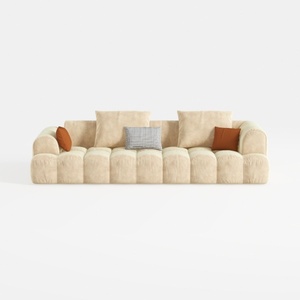

Minimalist Fabric Large Sofa With Decorative Throw Pillows 3D Model
Looking to transform your space? Try Homestyler! This user-friendly platform offers a robust online design tool, stunning 3D renderings, a wealth of design projects, and helpful DIY video tutorials. Bring your home design visions to life effortlessly—perfect for both novices and seasoned designers!
立即免费设计
































