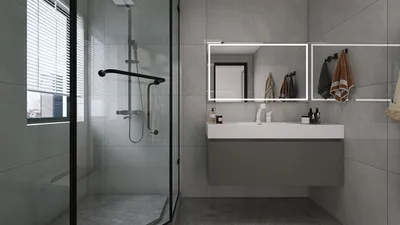


As we look to the future, many homes today struggle with disorganized layouts and insufficient storage solutions. I've observed my clients dealing with everyday challenges, even as recent NAHB data indicates a rise in multi-generational living across U.S. families, prompting the need for smarter home designs. In this context, Kerala Vaastu has redefined two floor plans, evolving into a living algorithm that emphasizes orientation, airflow, and daily rituals while also preparing for flexible, tech-enhanced lifestyles. The spatial reasoning toolkit has become increasingly vital.
Courtyard Axis, Two-Level Family Flow
Design Concept: The central courtyard serves as a thermal core, with an east-facing prayer niche and a southward-protected service area that aligns with Vaastu principles while also considering future climatic adjustments.
Flow: The sequence flows from entry to courtyard, then to living, dining, and kitchen/service areas; stairs connect to the bedrooms, looping seamlessly back to the verandah for a functional layout.
Sightlines: Main views focus on the courtyard, while secondary views include trees and sky, creating a peaceful environment with privacy preserved along the service edges.
Storage: Perimeter wall cabinets serve as hidden storage; under-stair pull-out drawers and loft spaces efficiently organize seasonal items for quick access.
Furniture Arrangement: Slim sofas (32-34 inches deep) and a modular pooja console, with a dining table accommodating 6-8 seats at 36 inches width; balcony seating is designed to maintain unimpeded wind paths.
Conclusion: This design functions as a resilient system, meeting the needs of multi-generational families while integrating ritualistic elements and climate logic for the future.
save pin
Quiet Front, Active Back with Vaastu Orientation
Design Concept: The tranquil east/northeast portion is reserved for living and study activities; the busy kitchen and utility areas are located in the southeast, reflecting traditional patterns while supporting daily functionality.
Flow: The layout invites movement from the porch to living and study areas, then to the dining space; the kitchen links to utility services, while stairs lead close to the family lounge for nighttime convenience.
Sightlines: Views transition from a street-soft perspective to a clear garden outlook; the lounge offers a scenic view of greenery, minimizing distractions and reducing cognitive stress.
Storage: Integrated wall grids and a spacious pantry (24-30 inches deep), along with linen towers near bathrooms; the storage hierarchy facilitates easy access to frequently used items.
Furniture Arrangement: The study desk is 24 inches deep to allow for proper device airflow; a combination of dining benches and chairs adjusts to accommodate varying numbers of guests while wardrobes maintain a 24-inch clearance.
Conclusion: This split design optimizes family interaction by positioning quiet activities upfront and more demanding tasks at the back—poised for the future yet rooted in traditional orientation principles.
save pin
Stair-as-Processor, Rooms-as-Modules
Design Concept: The stair core facilitates movement; the ground level includes social modules, while the upper level focuses on rest and meditation, promoting northeast tranquility and cross-ventilation.
Flow: The foyer leads to a lively dining hub; the stairs connect to the family lounge, bedrooms, and terrace, with service routines parallelly arranged in a protective pathway.
Sightlines: The vertical sightline from the foyer to the skylight functions like a status indicator, while lateral views prioritize privacy for personal spaces.
Storage: Drawers at the stair landing, storage under bed bases, and wall niches in the pooja area ensure organization; garage lofts manage archival materials—keeping everything accessible and in order.
Furniture Arrangement: The terrace pergola is appropriately scaled for wind; beds are set with a 30-36 inch clearance for movement; lounge furniture is modular, allowing for rearrangement to accommodate guests without disrupting the flow.
Conclusion: This stair-centric design minimizes delays between spaces; over a five-year horizon, this modular layout can adapt to evolving technologies and rituals without needing major modifications.
save pin
Final Thoughts
The two corrected floor plans from Kerala Vaastu embody a protocol rather than mere aesthetics—focusing on orientation, airflow, and rituals to streamline daily activities. As multi-generational living and hybrid work reshape our homes, these designs function like future-ready interfaces, transforming rooms into modules and movement into a systematic code. From my observations, the most effective homes of the future won't necessarily be larger—they will be crafted with greater intention. The precise decisions on orientation I continue to encounter in my projects are redefining how people experience living spaces, with tools like Homestyler paving the way for modern design solutions.


Discover your dream space with Homestyler! This amazing online home design platform offers an intuitive design tool, stunning 3D renderings, and a wealth of enlightening video tutorials. Whether you're a novice or an expert, transform your ideas into reality effortlessly!
立即免费设计
































