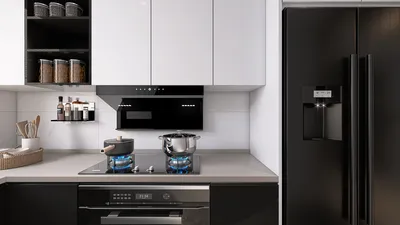


Hallway corners are often overlooked spaces, but they can be transformed into functional areas with the right touch. Adding a small corner table can convert that awkward junction into a practical stop for dropping off keys, sorting mail, or showcasing a lamp and artwork, all while maintaining an unobstructed flow. In my experience, optimal results derive from compact designs, rounded edges, and a thoughtful layering of lighting and storage, all with a focus on enhancing how people navigate through their environments, making tools like Homestyler essential for visualization.
Prioritizing circulation is crucial. The International WELL Building Institute’s WELL v2 emphasizes that clear pathways are vital for minimizing collisions and physical stress during daily movements. In residential corridors, I recommend maintaining at least 36 inches (approximately 915 mm) of clear passage; if a corner table compromises this to below 32 inches, it may not be the ideal choice. For optimum lighting, the Illuminating Engineering Society suggests around 50–100 lux for residential hallways, achievable with a small table lamp or wall sconce alongside ambient lighting. These standards ensure the hallway remains functional while reclaiming the corner for everyday use. Furthermore, insights from Steelcase reveal that friction points in circulation heighten cognitive load; hence, ensuring a smooth route around the table preserves tranquility and efficiency.
Selecting the Proper Corner Table Proportion
When it comes to hallway furniture, scale trumps style. I begin by measuring the corner's available depth from the nearest door's swing and the primary pathway, ensuring that the depth of the table remains between 10–14 inches for tight spaces. Opting for tables with triangular or quarter-round tops softens corner transitions and avoids snagging bags or clothing. Taller, thinner tables (28–30 inches in height) offer a sense of openness while still being easily accessible for placing keys. When storage is necessary, consider a simple drawer or an open shelf; bulky bases should be avoided as they can feel imposing against the wall.
Illumination, Color, and Visual Harmony
Effective lighting is essential in confined spaces. A small lamp with a warm-white hue (2700–3000K) makes the hallway inviting, and a matte shade minimizes glare. If opting for a wall sconce above the table, aim for placement at eye level (60–66 inches from the floor) to ensure diffused lighting without creating hot spots on shiny paint. Color also influences mood: According to Verywell Mind’s research on color psychology, soft blues and greens foster calmness, while warm neutrals and muted terracotta shades add comfort without making the space feel constricted. I lean towards low-sheen paint finishes to soften reflections and impart a gallery-like ambiance to the corner table.
Durable and Peaceful Material Choices
Hallways inevitably endure occasional bumps. I prefer tables with hardwood surfaces, compact laminate, or resilient composites that feature rounded edges. For the legs or bases, powder-coated metal is ideal as it withstands scuffling. Should there be drawers, utilizing soft-close mechanisms eliminates any disruptive noise at night; adding felt pads underneath mitigates vibrations and safeguards the flooring. A thin stone or porcelain inset can handle potted plants or damp umbrellas without risk of staining, provided it is slightly recessed to protect the edges.
Sleek Storage Solutions
Maintain a slender silhouette. A single shallow drawer (2–3 inches high) can neatly store keys and cards. An open, low shelf might be ideal for a decorative basket but ensure its width aligns with the inner triangle of the tabletop for a cohesive look. As a guideline, strive to keep at least 70% of the space below the table open to enhance airiness and visibility through the corridor.
Effective Corner Table Designs
- Quarter-round pedestal: Offers minimal footprint with soft edges, perfect for tight spaces.
- Triangular wall-mounted shelf: Ideal for areas where floor space is limited, eliminating toe stubs.
- Crescent console with rounded front: Seamlessly caters to circulation while fitting neatly against the wall.
- Nested corner tables: Two tables that can slide together; one can be easily pulled out for gatherings and returned when not in use.
Understanding Ergonomics and Movement
Considering hallways as transition areas means that individuals generally have their hands full and attention divided. Therefore, I steer clear of protruding elements above hip height and advocate for rounded corners to minimize collision risks. For hallways frequented by children, a table height of 26–28 inches provides accessible options. In narrow passages, angling the table slightly towards the wider side of the corner promotes ease of shoulder clearance and enhances sightlines down the hallway.
Layering Lighting for Cozy Corners
Incorporate ambient, task, and accent lighting effectively. Ambient overhead light establishes a base level of illumination; the corner table lamp serves as task lighting for managing keys and mail; a small picture light or wall sconce adds character. If the lamp is positioned beneath artwork, plan for a dimmable solution that maintains 50–100 lux on the passageway, allowing the corner to brighten up to 150–200 lux for sorting items. Dimmers facilitate smooth navigation during late-night moments without fully waking anyone in the household.
Color Influence in Narrow Hallways
Utilize color to expand spatial perception. Painting the walls in a pale neutral with a slightly deeper shade in the corner defines the area while making the table feel purposefully placed. Cooler undertones help recede, providing visual breathing room, while warm accents on the table (like wood or brass) inject vibrancy without creating visual clutter. When including art, select slim, matte frames to avoid glare in compact spaces.
Planning Layout and Sightlines
Before committing, I outline the intended footprint with painter’s tape and navigate the corridor at varying speeds, simulating carrying a bag or laundry basket to ensure sufficient shoulder clearance. If the corner touches a door, maintain a minimum distance of 2 inches from the door casing and 4 inches from its path. For intricate intersections involving stair landings, closets, and entry doors, a quick digital layout assessment can preempt unexpected challenges. Using a room layout tool, such as Homestyler, can effectively simulate clearances and furniture dimensions.
Ensuring Acoustic Comfort
Corners can amplify sound. A solid-topped table with soft accessories—like a fabric runner, cork tray, and felt-lined drawer—can dampen the noise from keys and clinks. If the hallway is echo-prone, placing a small rug with a low pile and non-slip backing combined with a fabric wall art piece opposite the table can reduce reverberation without crowding the area.
Surface Styling Essentials
Limit decorative items to three functional components: a catch-all tray, a low-profile lamp, and a vertical element (art, a narrow mirror, or a lone stem in a slender vase). Keep total height underneath 24 inches above the table to maintain clear sightlines and prevent conflicts with nearby switches or thermostats. Mirrors should be positioned 2–3 inches away from the corners to avoid harsh reflections.
Sustainability and Care
Opt for FSC-certified woods, low-VOC finishes, and modular designs that facilitate part replacement rather than full disposability. Hardwax oils are highly effective for quick repairs. In high-traffic homes, I tend to favor removable, washable table mats as a subtle safeguard that enhances longevity.
Installation Recommendations
For wall-mounted corner shelves, ensure appropriate anchors are used to accommodate the expected weight. When positioning a freestanding table, include discreet wall bumpers to protect the paintwork and mitigate vibrations. Manage lamp cables with adhesive clips along the baseboard; nothing disrupts a clean hallway aesthetic faster than an untidy cord.
Common Pitfalls to Avoid
- Oversized tabletops that necessitate sideways shuffling.
- Shiny finishes that increase glare.
- Over-decorating the surface; keep it intentional and purposeful.
- Neglecting door swings and thermostat placements.
- Missing the opportunity to test movement with typical bags or packages.
FAQ
Q1: What dimensions should I consider for a small hallway corner table?
A1: Aim for a depth of 10–14 inches and a height of around 28–30 inches, ensuring a walkway of at least 32–36 inches to prevent awkward sidestepping.
Q2: What is the recommended lighting level for a hallway corner?
A2: Ideally, target about 50–100 lux for safe movement, as per IES standards. Utilize warm lighting (2700–3000K) to minimize harsh glare and consider dimmers for night use.
Q3: Which shapes are safest to use in tight corners?
A3: Opt for quarter-round, triangular, or crescent shapes with softened edges. Rounded designs mitigate snags and bumps in narrow areas.
Q4: What measures can be taken to keep the table from becoming cluttered?
A4: Incorporate a single catch-all tray and a shallow drawer. Establish a rule: if items overflow the tray, they need to be organized elsewhere. Maintaining a visually open lower section (70%+) discourages pile-ups.
Q5: Can placing a mirror above the corner table enhance the hallway's spaciousness?
A5: Certainly—utilize a slim, matte frame and keep it 2–3 inches from the corner. Avoid aligning it directly with bright lights to avoid glare.
Q6: What materials are most conducive to handling everyday wear and tear?
A6: Options like hardwood, compact laminate, and powder-coated metal perform best. Adding felt pads and soft-close hardware helps keep noise and damage to a minimum.
Q7: How can I effectively plan the layout before making a purchase?
A7: Outline the intended footprint with tape and simulate typical movement. For tighter intersections or nearby stairs, confirm clearances with a digital room layout tool like Homestyler.
Q8: Does color choice affect the perception of spaciousness in a hallway?
A8: Absolutely. Lighter, cooler tones contribute to a feeling of openness, whereas warmer accents on the table add vibrancy. Color psychology suggests calming influences of soft greens and blues.
Q9: Is a wall-mounted shelf preferable to a freestanding table in all cases?
A9: In exceptionally narrow modes, a floating triangular shelf preserves floor space and prevents toe stubs. Ensure proper anchors are used and avoid overloading the shelf.
Q10: How can I streamline cable management for a table lamp?
A10: Organize cords along baseboards using adhesive clips, keep any slack neatly coiled behind the table, and opt for low-profile plugs to avoid entanglement.
Q11: What considerations are important for addressing acoustics in echo-prone hallways?
A11: Introduce soft surfaces including a fabric runner on the table, felt-lined tray, and a compact rug to absorb noises without overwhelming the space.
Q12: Can a corner table withstand seasonal shifts (like wet coats and umbrellas)?
A12: Yes—employ a moisture-resistant inset (such as stone or porcelain) in part of the table and include a drip tray underneath. Maintaining airflow below the table facilitates quick drying of items.

Modern Globe Pendant Light Mid Century Opal Glass
CLAXY Modern Gold Bathroom Vanity Milky Glass Wall

Looking to transform your space? Homestyler offers a user-friendly online design tool that lets you create stunning interior designs effortlessly. With high-quality 3D renderings, diverse design projects, and helpful DIY video tutorials, you’ll have everything you need to turn your vision into reality. Try it today!
Concevez maintenant gratuitement
































