

Transforming a hall with false ceilings can greatly enhance the acoustic experience, conceal essential services, and manipulate lighting effectively. However, the cost for these ceilings can vary significantly based on the type of system, materials used, detailing preferences, and the complexity of installation. In recent projects, basic gypsum board ceilings with simple cove lighting have been priced between $3 to $5 per square foot, while more elaborate designs featuring acoustic properties, tiered shapes, and integrated controls may range from $8 to $18 per square foot. Particularly in workplace and hospitality environments, the prioritization of acoustic performance tends to justify higher investments. Research indicates that noise is a leading distraction, with 46% of employees noting it impacts their focus; therefore, minimizing reverberation within a hall can lead to improved comfort and a better perception of the space. This focus on performance can align with budget controls when planning details early on, potentially incorporating tools like Homestyler for optimal layout planning.
Design choices surrounding lighting and ergonomic standards significantly impact both aesthetics and financial planning. The WELL v2 standards L07 and L08 focus on glare management and suitable illumination levels for visual comfort, which often necessitates the inclusion of dimmable drivers, layered lighting designs, and shielding components. For multipurpose halls, I typically aim for an ambient light level of 200-300 lux, ensuring a balance between task-oriented needs and visual tranquility, while keeping the unified glare rating (UGR) below 19 for areas with seating. Coordinating these specifications in the early stages can help avoid expensive last-minute adjustments and mitigate over-illumination. For additional insights on workplace performance relating to noise management behaviors, the Steelcase research library serves as a great resource for planning and prioritization, and can be complemented by interior design tools such as Homestyler.
Estimated Ceiling Costs by Type
Based on recent bids and projects completed in intermediate urban areas with moderate labor rates, here’s a breakdown of costs for hall ceilings:
Note: Incorporating linear lighting, spotlights, diffusers, and other components can add between $2 to $6 per square foot, influenced by the density and coordination needed.
Controllable Factors Affecting Costs
Lighting Strategies vs. Budget Limitations
I often differentiate between ambient, accent, and task/functional lighting. Utilizing indirect coves provides a gentle ambient glow while reducing glare; recessed downlights sharpen focus on pathways; and linear grazers emphasize textures. It’s important to consider that, according to WELL and IES best practices, using mixed spectra and poorly shielded options can increase discomfort. Setting color temperatures around 3000-3500K for hospitality settings and 3500-4000K for workplace corridors can help maintain alertness. Implementing a dimming plan for different scenarios, such as daily activities versus special events, can save energy and prolong the lifespan of LED solutions.
The Importance of Acoustics in Halls
Spaces with hard surfaces often exaggerate footstep sounds and conversations. To preserve clarity without suffocating the energy of the room, I aim for an RT60 (mid-frequency) of below 0.8–1.0 seconds in medium-sized halls. Solutions such as mineral fiber tiles, wood-slatted baffles with felt backing, or microperforated gypsum with acoustic infill can effectively reduce reverberation without adding visual bulk. Research from Steelcase, reinforcing the link between acoustic comfort and enhanced productivity, suggests that allocating budget for sound absorption in ceilings can yield a substantial return on investment in busy circulation and waiting areas.
Determining Appropriate Ceiling Systems
Smart Detail Planning for Savings of 10–20%
Choosing Materials and Sustainability Considerations
Opt for tiles with high levels of recycled content and low-VOC certifications. When selecting LED lights, choose drivers with a power factor greater than 0.9 and an L70 lifetime of at least 50,000 hours. Implement low-sheen paints in cove areas to minimize glare. Consider using metal or wood systems that can be demountable to allow for future adjustments; the potential for reuse can often compensate for the initial expenses, particularly in multi-tenant buildings.
Layout Planning Considerations
Prior to finalizing the ceiling design, it’s essential to understand the behavior patterns within the hall: identifying where people pause, pass through, or congregate. Position lighting intensity and acoustic treatments in the areas that will most significantly enhance the experience—particularly near reception zones, seating areas, or intersection points. Using design software to iterate your plan can help spot conflicts between lighting runs, sprinklers, and access points early on, thereby sidestepping costly rework and premium labor expenses. Consider utilizing a room layout tool such as Homestyler for efficient simulations and verifications.
Quick Reference Budget Checklist
Commonly Asked Questions
For a basic gypsum board ceiling with paint and minimal cutouts, anticipate costs around $3 to $5 per square foot. If you opt for a single cove with LED strip lighting, the investment might increase to $5 to $9 per square foot, influenced by the quality of the LEDs and driver specifications.
Complex designs, numerous lights (especially with many drivers), high-end finishes (Level 5), and thorough coordination for MEP penetrations can significantly increase labor hours.
Absolutely. Circulating and waiting areas can experience severe acoustic challenges. Aiming for an NRC rating of 0.70 or higher in specific zones can help diminish noise and enhance comfort. Steelcase research underscores noise as a major barrier to productivity, thus making investments in acoustics not only sensible but essential.
Aim for 200-300 lux ambient levels in multipurpose halls. The recommended color temperatures are 3000-3500K for hospitality-focused venues and 3500-4000K in workplace corridors. Effective glare management is crucial, achieved through appropriate shielding and avoiding grazing light on uneven surfaces.
Definitely. Employing gypsum for public-facing areas creates a refined appearance, while maintaining a T-grid along service zones ensures accessibility. This hybrid approach effectively reduces costs without compromising the design vision.
To enhance comfort, ensure LED strips are set back from lighting apertures, utilize diffusers, and specify designs that promote indirect lighting. Adhering to WELL's glare control guidelines fosters visual comfort, especially in areas with seating.
For a hall measuring between 1,000 to 1,500 square feet: a basic T-grid installation generally takes 2 to 4 days; simple gypsum installations require about 5 to 7 days including finishing; and multi-layered features along with integrated lighting setups may take 10 to 15 days, influenced by inspections and the sequencing of MEP work.
Consolidate access points, steer clear of micro hatches, and maintain accessibility for drivers. Choose finishes and systems that include replaceable components (like tiles and modular linear lights). Meticulously document every penetration’s as-built location to reduce future servicing time.
Standardizing a 2-foot module, consolidating MEP systems into bands, selecting one prominent feature, and limiting upgrade levels to the most visible edges often leads to considerable savings in both labor and material waste.
Yes. Simple 0-10V or DALI dimming capabilities allow for the creation of different scenarios for daily versus event usage, reducing energy consumption while prolonging LED lifespan. Early coordination of control hardware is essential to avoid requiring revisions later on.
Using an interior layout planner to simulate sections helps detect clashes between lights and sprinklers, as well as previews the visual balance of the design. Quick design iterations at the start can help prevent financial surprises during the installation phase.
Final Thoughts
Establish clear objectives for both acoustic and lighting goals, select one standout feature, and maintain disciplined choices for the remaining aspects. Most savings can be achieved through careful coordination and simplification rather than purely cost-cutting on materials. With an insightful room layout and realistic specifications, a hall ceiling can achieve an upscale appearance without excessive expense, and tools like Homestyler can greatly aid in this process.
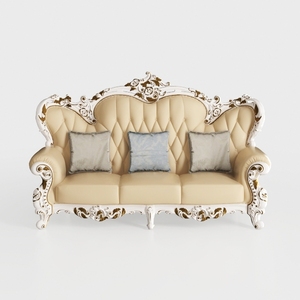
Baroque Luxury Leather Tufted Three Seat Sofa 3D Model
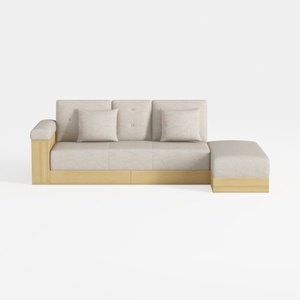
Minimalist Linen Solid Wood Sectional Sofa 3D Model
Homestyler is your go-to online home design platform, perfect for turning your ideas into reality. With its user-friendly design tool, stunning 3D renderings, inspiring design projects, and helpful video tutorials, creating your dream space has never been easier!
Diseño ahora GRATIS
































