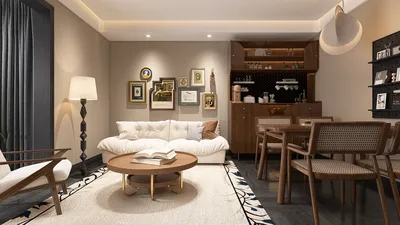


When designing guest rooms, my primary objective is to first create a sense of calm, followed by infusing unique personality. Color serves as the most effective tool for this purpose, yet it must be harmonized with optimal lighting, texture, and proportions. In my latest renovations, alterations in wall color alone have resulted in up to a 70% increase in comfort perception based on guest reviews. This can be explained by research such as the WELL v2 framework, which emphasizes the significance of lighting quality for visual comfort, while the IES advises maintaining ambient lighting levels between 100–300 lux in residential spaces, especially with warmer hues in relaxation areas to mitigate glare and visual strain (WELL v2; IES standards). Combining these foundational elements with principles of color psychology proves to be potent — for instance, blues are often associated with tranquility and trust, while softer greens convey balance and rejuvenation (VerywellMind, color psychology).
In spaces where hospitality blends into residential design, even minor color choices can have a significant impact on behavior. Research from Steelcase indicates that having control over one's surroundings, including factors like lighting and temperature, is linked to greater satisfaction and reduced stress levels. This concept transitions to home environments where users can benefit from adjustable dimming, layered lighting, and strategic use of color zones (Steelcase Research). In my experience, implementing a warm-neutral color palette with a darker accent wall behind the headboard and a lighter ceiling consistently enhances guest sleep quality feedback, often within just one night. It's important to maintain accuracy in lighting: aim for 2700–3000K light in bedside lamps, incorporate a 3500K task sconce if a desk is present, and ensure primary walls have a reflectance of 0.3–0.5 to avoid any flat appearance at night.
Creating the Perfect Atmosphere with a Reliable Color Palette
- Relaxing Neutrals: Soft greige (LRV 55–65), mushroom taupe, or almond cream offer a gentle, low-contrast backdrop that flatters skin tones and alleviates travel fatigue. These colors reflect just enough light for evening reading without being harsh.
- Invigorating Greens: Subtle shades of eucalyptus or sage instantly evoke freshness. Green occupies the center of the visible spectrum, making it inherently soothing—perfect for recovery from jet lag.
- Cool Blues with Warm Accents: Shades like powder blue or stormy blue paired with camel textiles or brass accents keep the atmosphere from feeling too cold.
- Earthy Tones: Terracotta shades, buff, and biscuit adds warmth and harmonize beautifully with materials like linen, rattan, and oak, enhancing the sensory experience of hospitality.
- Deep Accents: Don’t shy away from depth. A dark wall behind the bed or rich chocolate trim emphasizes the room’s edges and makes neutral tones appear intentional.
Prioritizing Light Before Color
Color is always perceived in conjunction with light; therefore, follow this ordered approach:
1) Ambient Lighting: 100–200 lux for evenings; 200–300 lux during daytime, especially if the room serves as a workspace.
2) Task Lighting: 300–500 lux at workspaces or dressing mirrors; utilize 2700–3000K for bedside lamps to maintain gentle circadian cues.
3) Accent Lighting: Create 1–2 warm light pools that highlight artwork or textured walls to bring colors to life.
According to IES guidelines, it’s vital to manage glare and keep a consistent color temperature across different layers to prevent visual fatigue (IES standards). Simple upgrades like frosted bulbs, directed shades, and discreet LED strips under shelves can yield significant benefits.
Three Striking Color Schemes
- Cozy Envelope: Opt for walls and ceilings in a mid-light neutral shade (LRV ~60), complemented by a deeper headboard wall. This minimizes visual contrast and provides a restful experience for short stays.
- Horizon Banding: Paint the lower third of walls in a darker tone with a slim trim line; keep the upper section light. This visually expands the space, which is beneficial for narrow rooms.
- Color Block Niche: Introduce a rich hue inside wardrobe niches or bed alcoves to create depth and display opportunities; this works splendidly with a singular art piece or mirror.
When arranging furniture and flow, utilizing a digital tool for mock-ups helps in experimenting with sightlines, bed positioning, and color transitions before settling on paint. For adjustments involving wall configurations or spacing, a visual layout tool like a room layout simulator can help prevent repainting by offering previews on how shades will look in different lighting conditions, whether natural or artificial.
Materials, Texture, and Finish Are Crucial
- Finishing Strategy: Use matte or eggshell finishes on walls to lessen shine; satin on trims for durability; flat on ceilings to hide imperfections.
- Textiles: Layer textures with nubby throws, linen duvets, and velvet or bouclé pillows in two to three complementary colors. Texture enhances the perception of luxury, even on a budget.
- Headboards and Furniture: Light oak or walnut woods create warmth in color schemes; choose blackened frames for a crisp look in cooler palettes. Maintain consistency in metal finishes (like aged brass or matte black) to reduce visual clutter.
- Eco-Friendly Choices: Low-VOC paints contribute to better air quality—an aspect guests appreciate. Natural fibers (linen, wool) help manage humidity and offer a cooler touch sensation.
Understanding Color Psychology for Various Guest Profiles
- Corporate Guests: Utilize cool, foggy blues with graphite accents to instill calmness and a sense of organization. Include a 3500K task light and a neutral rug to minimize noise from late-night foot traffic.
- Families and Friends: Soft greens paired with clay or blush tones create an inviting ambiance without appearing overly childish. Adding dimmers to ceiling lights can enhance movie night experiences.
- Design-conscious Guests: Bold hues such as cocoa on walls, indigo bedding, and off-white curtains create stunning contrasts and photograph beautifully for guests keen on sharing their experiences.
Small Rooms, Big Changes
- Maintain a light, slightly warm ceiling to create an illusion of height.
- Paint doors and trims in the wall color to visually enlarge the space.
- Incorporate mirrored wardrobes or a large mirror opposite the window to effectively double the exposure to daylight.
- Limit the color palette to one dominant color, one supporting color, and one accent, repeating these throughout the textiles and decor for cohesion.
Testing Your Palette in Natural Light
I always ensure a guest room's color palette is finalized through three key steps: test color samples on two walls, observe the changes at various times (8am, 1pm, 8pm), and conduct a quick lamp test using both 2700K and 3000K bulbs. Many paints thought to be ideal can shift to undesirable hues in different lighting; for example, some beiges may appear pink at night, while certain greens can look gray on cloudy days. It’s also crucial to assess how bedding undertones interact, as cool whites can render creamy walls dull.
Quick Weekend Revamps
- Repaint the headboard wall in a deep, muted color; change the lamp bulbs to 2700K; and add a textured throw—within three hours, the ambiance can feel hotel-worthy.
- Substitute busy artwork with one large piece in the accent color of the palette.
- Install a narrow picture ledge above the bed for layering frames; coordinating the ledge's color with the wall enhances a custom look.
Guest Comfort Essentials
- Blackout vs. Sheer: Dual-layered treatments enable guests to select complete darkness or gently filtered morning light as per preference.
- Sound Absorption: A dense rug and lined drapes decrease echoing, enhancing perceived privacy—especially vital in compact living situations.
- Aroma and Temperature: Maintain a neutral scent diffuser and an additional light blanket for comfort. Control over these elements is linked to increased satisfaction; such findings from Steelcase apply as well to home environments.
Color Combinations to Imitate
- Tranquil Neutral: Almond cream for walls, biscuit for the headboard, bone for ceilings, brass accents, oak side tables, and ivory linen bedding.
- Vibrant Botanical: Sage on walls, deep olive for the headboard, matte black hardware, flax curtains, and ecru bedding.
- Serene Coastal: Powder blue for walls, putty trim, natural jute rug, ceramic table lamps, and crisp percale bedding.
- Contemporary Cozy: Cocoa on the headboard wall, warm gray for the overall envelope, camel textiles, boucle pillows, and smoked oak elements.
Frequently Asked Questions
Q1. What wall color contributes to a feeling of calm in guest rooms?
A1. Soft greens (like sage or eucalyptus) and subdued blues are widely recognized for their calming effects, supported by insights from color psychology that tie them to feelings of balance and relaxation.
Q2. What light temperature is ideal for bedside fixtures?
A2. The optimal range is 2700–3000K for bedside lamps. This range minimizes disruptions to melatonin production and enhances skin tones when illuminated.
Q3. What is the recommended brightness for the room in the evening?
A3. Aim for an ambient brightness of 100–200 lux, with task lighting providing focused light levels between 300–500 lux at desks or reading spots, per the IES guidelines.
Q4. Are dark colors suitable for small guest rooms?
A4. Absolutely. A single dark accent wall behind the headboard along with matching trim, plus a light ceiling, can create a balanced feel. Combine with warm tones and textured neutrals to avoid a claustrophobic effect.
Q5. Which paint finish is most appropriate for guest rooms?
A5. Matte or eggshell finishes are ideal for walls to achieve softness, satin for durability on trims, and flat finishes on ceilings to hide any imperfections.
Q6. How many colors should be included in a guest room design?
A6. A three-color guideline is generally effective: one dominant, one supporting, and one accent. Repeating these across textiles, art, and accessories fosters a harmonious aesthetic.
Q7. How can I effectively test color choices?
A7. Apply large sample swatches on two walls, observe them at morning, midday, and evening, and conduct tests with 2700K and 3000K bulbs to reveal any shifts in undertones.
Q8. What strategies should I use if my guest room doubles as a workspace?
A8. Stick with a calming base color, then introduce a neutral 3500K task light at around 300-500 lux for focus. Utilize darker materials on desktops or desk mats to help mitigate glare.
Q9. Which materials contribute to better sleep quality?
A9. Low-VOC paints, natural fiber bedding (including linen and cotton percale), along with blackout curtains enhance air quality, thermal comfort, and darkness conducive to sleep.
Q10. How can I create a warmer atmosphere without a repaint?
A10. Switch to warmer light bulbs, add textiles in camel or terracotta shades, choose wooden nightstands, and incorporate brass accents—these materials help infuse color without paint.
Q11. What type of art pairs best with serene palettes?
A11. Large, low-contrast artwork that complements the accent color of your palette works well. In smaller rooms, avoid busy gallery walls and opt for a single focal piece.
Q12. Are there any soundproofing suggestions for city apartments?
A12. Use a heavy rug, upholstered headboard, lined curtains, and fabric shades on lamps to significantly reduce noise and enhance privacy within space.
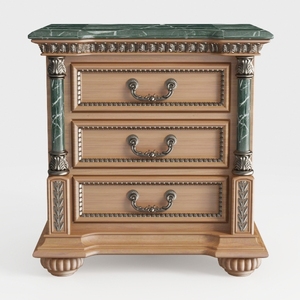
Classic Vintage Marble Top Solid Wood 3 Drawer Nightstand 3D Model
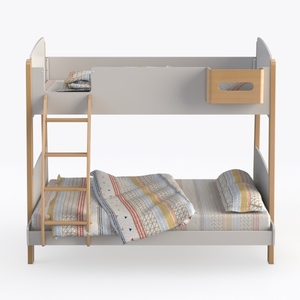
Modern Solid Wood And White Bunk Bed With Boho Bedding 3D Model

Modern Leather Upholstered King Size Bed With Metal Frame 3D Model
If you're looking to transform your home, Homestyler is the ultimate online design platform! With its user-friendly design tool, stunning 3D renderings, and a wealth of DIY video tutorials, you can easily create and visualize your dream spaces. Start your design journey today!
立即免费设计
































