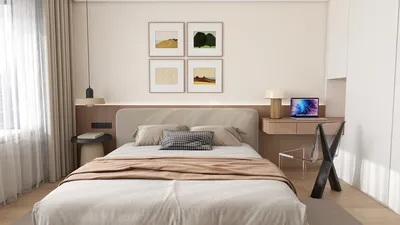


I see guest accommodations as flexible mini-suites: spaces that transition seamlessly between hospitality, workspace, and tranquil retreats. The most effective designs harmoniously combine ergonomic precision with comforting, restorative elements. Throughout my projects, I emphasize circulation, light management, and sound control, ensuring that guests feel at home instantly instead of needing to 'navigate' their surroundings. Tools like Homestyler can aid in visualizing these transitions effectively.
Comfort involves more than just plush bedding. Research by Steelcase highlights that 73% of individuals experience poor posture when working outside their usual setup. This means, in the context of guest rooms, we should arrange surfaces and seating to support occasional laptop use while fostering relaxation. The WELL v2 guidelines advocate for adjustable light settings and glare control, significantly enhancing sleep quality and circadian rhythms for guests. I design bedside lighting according to target light levels (task ~300–500 lux, ambient ~100–300 lux) and incorporate warm color temperatures (2700–3000K) for evening relaxation.
According to Gensler, adaptable environments enhance the overall quality of the experience; in guest rooms, this manifests as modular furniture and easy-to-use storage solutions. Insights from Verywell Mind suggest that calm colors like soft blues and muted greens are linked to lower stress levels—perfect choices for wall paint or fabric. I opt for finishes that feel gentle, tactile, and non-reflective to minimize visual distractions. For exploring various room layouts or rearranging furniture, a room layout tool is essential to effectively simulate bed positions, space clearance, and traffic flow without uncertainty, like Homestyler.
Determining the Core: Bed Position and Flow
I place the bed against the longest uninterrupted wall, ensuring a clear walkway of at least 24–30 inches on each side and at the foot. If the door swings toward the bed, I include a visual buffer—like a slim console table or an upholstered bench—to soften the initial view. In smaller rooms, positioning a queen bed to one side with a single nightstand allows for safe navigation while keeping essential surfaces available. It's advisable to avoid deep corners which create pinch points; guests should have straightforward access to the bathroom, closet, and seating without backtracking.
Lighting Designed for Rest and Short Visits
Incorporating layered lighting is more effective than relying solely on one overhead fixture. I recommend adjustable bedside sconces or lamps with low-glare shades, a ceiling fixture with a high CRI for daytime clarity, and a small nightlight along the path to the bathroom. The WELL v2 guidelines emphasize the importance of individual control; thus, I include bedside dimmer switches and blackout solutions, paired with sheer curtains to enable flexible daylight control. Target warm-white lights (2700–3000K) in the evening and neutral-white for desk or vanity areas (3500–4000K). If overhead lights risk producing glare, I suggest using indirect cove lights or semi-flush fixtures with diffusers, adhering to IES recommendations for uniform illumination and visual comfort, as outlined at ies.org/standards.
Sound Control and Privacy
A beautifully designed room will underperform if it lacks sound insulation. Soft furnishings—like an upholstered headboard, dense-pile rug, and lined curtains—can significantly reduce echo. I position the bed away from shared walls and utilize soft-storage solutions (like fabric ottomans or baskets) to disrupt sound pathways. Consider integrating a white-noise machine or ceiling fan for consistent ambient sound. If external noises are a potential issue, opt for STC-rated doors and weather-proofed frames; for stays with multiple guests, including a folding screen can help separate sleeping quarters from active areas.
Adaptive Furniture: for Work, Relaxation, and Luggage
Guests frequently require a workspace that transitions smoothly. I suggest a compact writing desk or console at a height of 28–30 inches, alongside an upholstered chair offering lumbar support with a seat height of 17–19 inches. Steelcase's workplace research underscores the necessity for varied posture; therefore, I add footrests or poufs to allow guests to change positions. A bench or ottoman positioned at the bed's feet provides a practical spot for luggage, avoiding potential wear on bedding. In tighter spaces, consider wall-mounting the TV and replacing a bulky dresser with a narrow wardrobe that incorporates drawers and hanging space.
Intuitive Storage Solutions
Make storage effortlessly accessible. I incorporate open hooks for frequently needed items, a designated area for suitcases, and at least 10–12 hangers. Nightstands equipped with a drawer and shelf can accommodate books, devices, and glasses, maintaining a clutter-free environment. A small tray system is excellent for organizing keys and watches. If there is a closet alcove, a basic rod with uniform hangers along with a shelf for extra blankets indicates a thoughtful hospitality approach.
The Psychology of Color and Calming Materials
Color can quickly influence the tone of a space. Soft blues, cool grays, and gentle green accents foster relaxation, while warm neutrals contribute comfort without overwhelming stimulation. According to Verywell Mind, blue is typically associated with stability and tranquility—ideal for bedding or as an accent wall, but not on the ceiling due to potential color shifts at night. Choose materials that feel pleasant to the touch: cotton-linen blends, textured weaves, matte finishes, and closed-grain woods are excellent choices. Steer clear of glossy surfaces that may create glare; the retreat should feel inviting, not dazzling.
Design for Small Spaces: Optimal Ratios
In limited areas, I adhere to a straightforward ratio: one focal point (the bed), one secondary utility area (desk or dresser), and one piece of soft seating. If possible, I float the bed to maintain balance; otherwise, I offset it and utilize a wall-mounted shelf as a petite nightstand. Ensure continuous circulation around the foot of the bed to prevent guests from retracing their steps. Visual balance is crucial; even if only one nightstand fits, counterbalance it with a lamp or artwork to stabilize the room's aesthetic. Utilize an interior layout planner, such as Homestyler, to efficiently test various configurations for clearance.
Lighting Management and Sleep Quality
Position light switches where guests expect them: a primary switch near the entrance, bedside controls for reading lights, and a low-level pathway light. Incorporating dimming features is essential. For rooms that accommodate late arrivals, I suggest pre-setting a gentle ambiance at ~20–30% brightness. Ensure that chargers and outlets are discreet but accessible; a pop-up unit in the nightstand or a rail-mounted power strip next to the desk helps keep surfaces tidy.
Textiles for Thermal Comfort
Layer bedding to cater to personal preferences: a breathable duvet, a light blanket, and an additional throw. In varying climates, a ceiling fan that can change direction aids in air circulation without inducing drafts. Blackout-lined drapery enhances sleep quality and thermal comfort; selecting fabric with dense linings blocks out early light.
Art, Scent, and Final Touches
Artwork should be soothing, not overwhelming. I prefer pieces that exhibit gentle movement and low visual complexity, hung at eye level over the headboard or directly across from the bed. Fragrance should remain subtle—such as a single diffuser with a neutral scent that avoids any potential irritations. Providing a carafe, a selection of local literature, and clear Wi-Fi information can transform a visually pleasing room into a truly functional space.
Extension Amenities for Guest Suites
If space permits, create a cozy lounge area with a loveseat and side table. A small coffee station minimizes late-night kitchen trips and promotes personal independence. Consider implementing a folding partition or curtains to separate sleeping and lounging areas, particularly for families or extended stays.
Frequently Asked Questions
Q1: What’s the recommended clearance around a bed?
A1: Aim for 24–30 inches on either side and at the foot to ensure safe movement, especially when handling luggage.
Q2: How bright should bedside lamps be?
A2: Aim for 300–500 lux for reading purposes, with a warm color temperature of 2700–3000K. Ambient lighting should be around 100–300 lux for comfortable winding down, in accordance with WELL v2 standards for glare reduction and supporting circadian rhythms.
Q3: Which colors are known to alleviate guest stress?
A3: Gentle blues, desaturated greens, and warm neutrals can lower stress levels. Research from Verywell Mind indicates that blue conveys stability and calm—ideal hues for textiles or feature walls, but not shiny surfaces that may amplify visual disturbance.
Q4: How can a compact guest room accommodate occasional work needs?
A4: Incorporate a compact desk or console (28–30 inches high) with an ergonomic chair, adequate task lighting (3500–4000K), and a nearby outlet. Findings from Steelcase about posture variability highlight the importance of supportive seating combined with adjustable lighting.
Q5: Which acoustic improvements are most impactful?
A5: Introducing a rug, an upholstered headboard, lined curtains, and soft-storage items can mitigate echo. If sound privacy is paramount, upgrade to an STC-rated door and consider incorporating a white noise device or fan for sound masking.
Q6: How can glare from overhead lighting be minimized?
A6: Choose diffused semi-flush fixtures, indirect cove lighting, or shaded pendants. Ensure task lighting is positioned below eye level and use dimmers to harmonize brightness, while adhering to uniformity recommendations per IES standards.
Q7: What practical solution exists for luggage?
A7: Provide a bench or ottoman at the foot of the bed or a fold-out rack near the closet. This not only protects bedding but also maintains clear movement pathways.
Q8: Is having blackout options necessary?
A8: Yes, for most guests, blackout-lined curtains significantly enhance sleep quality and thermal control. Pairing them with sheer options allows for privacy and diffused daylight during the day.
Q9: What methods ensure storage remains practical?
A9: Utilize open hooks, well-placed hangers, and a dedicated suitcase area. Nightstands with drawers and shelves keep essentials orderly and easily accessible.
Q10: What’s the best layout tool for evaluating configurations?
A10: A room design visualization tool like Homestyler can be instrumental in simulating bed and furniture arrangements, clearances, and circulation paths efficiently.

Gray Full Size Wood Loft Bed with Under-bed Desk,
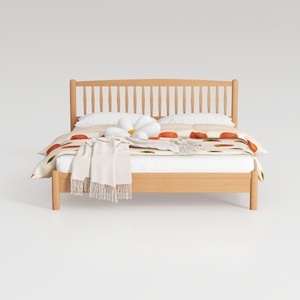
Oedim Testiera per Letto in PVC Imitazione Legno Mandala, 100 x 60 cm, Plastica, Colori, 100X60CM
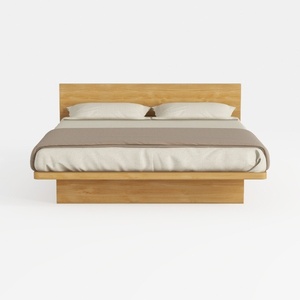
Vibe Gel Memory Foam Mattress, 12-Inch CertiPUR-US
Discover Homestyler, the ultimate online home design platform! With its user-friendly design tool and stunning 3D renderings, you can visualize your dream space effortlessly. Explore inspiring design projects and follow easy DIY video tutorials to transform your home with confidence—perfect for all skill levels!
지금 무료로 디자인하세요
































