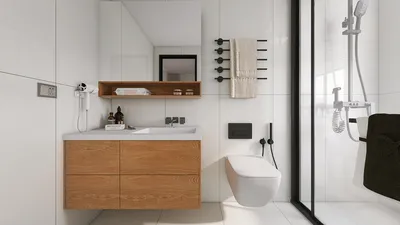


I still chuckle when I think of a client who envisioned their all-grey bathroom to exude both a “moody” and “sunny” vibe—without introducing any color. While a disco ball came to mind, I instead focused on contrasts and textures. This minor design dilemma revealed to me that grey serves as a canvas rather than a constraint, leading me to a fundamental decision in my design approach: should I emphasize a warm or cool undertone?
1. Layered Textures
By layering various shades of grey—using matte paint, honed stone, and glossy porcelain tile—you can create depth without adding any color. In one instance, I transformed a 4.5 sqm bathroom with sanded cement on one wall, soft dove paint on another, and slightly reflective floor tiles to enhance light.
The result is a tranquil, hotel-like ambiance, while the challenge lies in coordinating finishes to avoid a flat appearance. Tip: test sample swatches in natural light for at least one afternoon.
save pin
2. Contrasting Trims & Fixtures
Using dark black or deep navy trims and hardware can break the monotony of grey and establish modern definitions. In one renovation, I switched chrome fixtures to matte black, giving the entire room a graphic edge without introducing visual clutter.
It is budget-friendly to update taps and towel bars instead of replacing entire fixtures. However, be cautious when mixing metals; a brass accent can warm up cooler greys and prevent a palette that feels overly cold.
save pin
3. Warm Metals and Wooden Accents
When introduced thoughtfully, wooden elements and warm metals can prevent grey from appearing sterile. I enjoy incorporating a floating oak vanity or rattan storage to bring in texture and warmth—these simple additions elevate morning routines.
Wood necessitates some moisture considerations in bathrooms, so sealed veneer or engineered alternatives provide an aesthetic look without the maintenance troubles. For layout planning, I often create a scaled sketch to experiment with placements before purchasing materials.
save pin
4. Characterful Patterned Tiles
Opting for a patterned floor or a vertical stack of encaustic tiles can serve as a standout feature against neutral grey walls. I once used a subtle geometric tile on a shower curb, likening it to jewelry for the floor.
While patterns can be striking, it's best to limit them to one area. They can become outdated faster than plain tiles, so think carefully about scale and color for lasting appeal.
save pin
5. Illuminating and Reflective Features
Grey can alter how light is reflected, making adequate lighting crucial. A layered approach—combining ambient downlights, task lighting at the mirror, and gentle accent lighting—significantly enhances the mood. This method of layering light is central to transforming cool greys into an inviting atmosphere.
Mirrors with warm LED backlighting provide instant warmth, while dimmers allow for a transition from energizing morning light to a softer evening glow. Always consider IP-rated fixtures for areas near water.
save pin
FAQ
Q1: Is grey suitable for smaller bathrooms?
Indeed—grey can make compact bathrooms feel more expansive when paired with lighter tones and reflective surfaces. Utilizing bright lighting and mirrors can enhance this effect further.
Q2: Should I opt for warm or cool grey?
Select the undertone based on your room's natural light: spaces facing north typically suit warmer greys, while south-facing bathrooms can accommodate cooler shades. Testing swatches at various times of the day is advisable.
Q3: What flooring works well with grey walls?
Neutral porcelain tile, wood-like planks with warm hues, or patterned encaustic tiles can be excellent choices. Ensure slip resistance and durability for wet areas.
Q4: How do I avoid a cold feeling in a grey bathroom?
Introduce warmth through wood accents, warm metal finishes, and warmer LED lighting for fixtures. Fabrics like towels and rugs also contribute to a cozier overall aesthetic.
Q5: Are matte finishes advisable in bathrooms?
Matte finishes present elegance and are forgiving regarding smudges, but they might show water spots on darker greys. Combining matte walls with glossy details achieves a balance between functionality and style.
Q6: How can I prevent mold in a grey bathroom?
Ensure good ventilation, opt for mold-resistant paint, and dry surfaces regularly to prevent moisture buildup. The EPA provides thorough guidelines on how to prevent mold: https://www.epa.gov/mold.
Q7: Can grey decor accommodate color accents?
Definitely—a small pop of color, such as terracotta, navy, or emerald in accessories, can brighten up the scheme without overwhelming its calming nature. Consider swapping out accents seasonally for a refreshing look.
Q8: What’s an economical upgrade for a grey bathroom?
Updating hardware and mirrors, improving lighting, or refinishing cabinets can significantly impact without breaking the bank. These minor adjustments often yield the best returns on comfort and aesthetics, especially when using tools like Homestyler for planning.
save pin
Homestyler is your go-to online home design platform! With its user-friendly design tool, stunning 3D renderings, and a wealth of inspiring design projects and DIY video tutorials, bringing your home vision to life has never been easier. Transform your space effortlessly!
Concevez maintenant gratuitement
































