


Well-designed fitting rooms significantly contribute to increased revenue and strengthen brand loyalty. Through various apparel projects, I've observed that fitting areas affect customer dwell time and conversion rates more than any other part of a retail space. Research from Steelcase connects perceived comfort and control in personal areas with heightened customer engagement and satisfaction, aligning with the WELL v2 framework that highlights lighting quality, acoustic comfort, and privacy as vital to occupant wellbeing—principles that are directly relevant to fitting rooms. Specifically regarding lighting, I adhere to guidance from the Illuminating Engineering Society (IES) to achieve flattering vertical illuminance for faces and bodies, ensuring customers perceive accurate color and fit.
Two key metrics I focus on are color fidelity and the perception of body tone. The WELL v2’s Light concept emphasizes the importance of balanced spectral quality for visual clarity and accurate color perception, while IES standards recommend vertical illuminance around mirrors (typically between 150–300 lux for the face and torso) with a balanced distribution that avoids veiling reflections. Insufficient lighting from above or underneath can create harsh contrasts and deep shadows, undermining purchase confidence. By aligning the illumination in fitting rooms with these well-researched parameters, improvement in try-on experiences becomes apparent.
Craft Lighting That Enhances, Not Misleads
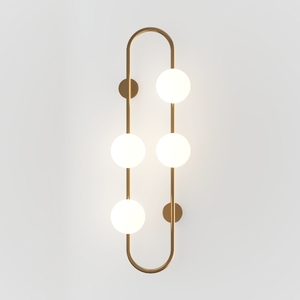
My goal is to implement a three-point lighting strategy that minimizes glare from above: integrating vertical sconces or side-mounted LED panels set at 3000–3500K to produce warm, natural skin tones; installing soft, diffused overhead lighting to avoid harsh shadows; and including an optional backlight that softly outlines the silhouette against the background. A High Color Rendering Index (CRI) of 90+ is crucial for ensuring that garment colors are accurately represented on skin tones and remain true in daylight conditions. Moreover, providing dimmable controls with separate scenes for 'daylight' and 'evening' can alleviate cognitive dissonance between the room’s lighting and real-world settings.
Mirror Strategy: Vertical, Wide, and Honest
I opt for full-height mirrors (at least 7 ft / 213 cm) with ample width (28–36 in / 71–91 cm) to maintain accurate body proportions. Angled double-mirror setups allow customers to view their profiles from the side and back—critical for trying on jackets and dresses. Funhouse bevels are avoided; trust is built through clarity, not distortion. Mirrors should be subtly floated off the wall, with a slim lighting gap to eliminate dark vertical lines and minimize edge smudging. For tech-focused brands, integrating low-profile smart mirrors with request buttons and adaptive lighting while ensuring privacy is clearly indicated can enhance the customer experience.
Spatial Ratios: Clearances, Comfort, and Flow
My baseline dimensions for a single fitting room are 5 ft x 5 ft (152 x 152 cm), extending to 6 ft x 6 ft for enhanced comfort, including space for caregivers or mobility aids. Doors should swing without interfering with the primary standing area, and a clear turning radius of 36 in (91 cm) is essential for accessibility. The bench should have a depth of 30–36 in (76–91 cm) with rounded corners for safety. If planning multiple fitting rooms or a suite that includes accessible options, utilizing a layout simulation tool like the Homestyler room layout tool can help visualize circulation and identify potential bottlenecks.
Acoustics and Privacy: Quiet Encourages Confidence
Walls that are hard and reflective amplify external noise such as chatter, making the environment uncomfortable. To mitigate this, I incorporate acoustic backing behind finished panels, utilize fabric-wrapped solutions, and specify well-sealed doors (or incorporate weighted curtains alongside a secondary privacy baffle) to minimize sound transfer. The goal is to maintain an NC rating of 30-35 in fitting corridors. Employing soft-close mechanisms and felt bumpers can effectively reduce incidental noise, greatly influencing how private customers feel while trying on garments.
Color Psychology: Calm Neutrals With Strategic Contrast
Colors have a profound impact on mood and decision-making. Subtle neutral tones—creamy taupe, warm gray, and muted sand—create an environment that complements natural skin shades. A controlled accent color (such as muted terracotta, olive, or midnight blue) can serve as a brand indicator while ensuring that garments stand out without casting unwanted hues. It is advisable to avoid intense reds or greens near mirrors; research from Verywell Mind indicates that red can evoke strong feelings, while green often conveys calmness, although both may distort perceived skin tones if overused in reflective areas. Painting the mirror wall a slightly lighter shade than the side walls reduces shadows and enhances the overall ambiance.
Material Selection: Soft, Durable, and Easy to Clean
The tactile experience in fitting rooms matters greatly: I recommend upholstered benches made from performance textiles rated for at least 100,000 double rubs, antimicrobial handles, and hooks that are durable, supporting 10-15 lb each. For flooring, I suggest slip-resistant LVT with acoustic underlayment or dense loop carpet tiles to dampen noise. For brands focused on sustainability, I choose materials that are verified low-VOC and made from recycled content, ensuring consistency through an organized materials library across rollouts.
Organization That Minimizes Try-On Friction
Customers often juggle multiple sizes, layers, and personal items during their fittings. I propose a three-hook system labeled (Bring In, Maybe, Love) or designated pegs to streamline organization. Adding a shallow ledge for phones and water bottles keeps benches clutter-free. In family-friendly or gender-neutral fitting areas, installing a collapsible shelf for bags along with an additional row of lower hooks for children's items proves beneficial. Furthermore, adjustable task lighting over the benches can help when trying on shoes.
Door, Curtain, and Threshold Choices
Doors provide better acoustic and visual privacy compared to curtains, although curtains offer a lighter feel and can be retrofitted easily. In cases where curtains are employed, I recommend double-layering them with a heavier inner layer and a lighter outer fabric for a clean look; they should just kiss the floor to avoid dragging. For doors, I suggest a minimum width of 36 inches with lever hardware and a vacancy indicator to prevent inadvertent openings. Adding a raised threshold of 1-2 inches beneath curtains can help control light and drafts without posing a tripping hazard.
Tech That Assists, Not Distracts
Service buttons or QR codes for item requests can significantly reduce awkwardness for customers wishing to avoid stepping out. If smart mirrors are utilized, transparency about opt-in camera features is essential, conveyed through on-glass privacy notices. Lighting controls need to be intuitive, featuring two preset options, alongside a dimmer. It’s advisable to minimize visual distractions—never include screensavers or animations in the customer's line of sight as they can lead to eye fatigue and misrepresent garment colors.
Wayfinding and Queue Experience
Fitting corridors should emanate the brand's essence rather than feel like service areas. I incorporate soft cove lighting and low-glare sconces, utilize consistent numbering that matches the brand's visual identity, and equip staff with clear quotas for counting items. Seating options or small lounges near the queue can enhance comfort for companions, ensuring they do not obstruct the flow of traffic. Well-designed queues reduce perceived waiting time and help maintain a positive atmosphere.
Safety, Cleanliness, and Quick Turnaround
While antimicrobial finishes have their place, easy-to-clean surfaces and thoughtful design offer more practical solutions. Rounded bench corners, minimized ledges for dust accumulation, and integrated base lighting help staff efficiently locate items. A designated, vented cabinet for sanitizing spray or handheld steamers keeps cleaning supplies accessible without creating clutter. Whenever possible, outlining a separate return path allows staff to clear rooms without interrupting the customer experience.
Brand Storytelling Without Overwhelming
Materials should speak for themselves: a distinctive wood type, custom hooks, or design details echoed in upholstery can communicate a brand narrative. Fragrance should be used sparingly; a subtle, underlying scent in corridors is preferable to overpowering perfume in fitting spaces. Music volumes ought to be reduced by 3-5 dB in fitting zones to minimize decision fatigue. Ideally, the best fitting rooms create a serene microcosm of the brand identity, avoiding the feel of overt marketing.
Future-Proofing and Modular Rollout
I advocate for the use of modular wall panels and removable systems to adjust room configurations seasonally. Hooks and shelves can be mounted on hidden rails, allowing merchandising teams to easily reconfigure without the need for contractors. Lighting tracks equipped with changeable diffusers enable updates—ranging from softer portrait lighting for intimate wear to brighter uniformity for athletic clothing.
- For quality lighting and occupant comfort principles, I cross-reference guidance from WELL v2 on light and comfort, while applying IES vertical illuminance practices suitable for close-up tasks and mirrors.
- For psychological insights into customer behavior, I use Verywell Mind’s color psychology overview to refine accent choices that foster calmness and confidence without impacting the skin’s natural tone.
FAQ
1) What color temperature is ideal for fitting rooms?
Aim for a color temperature of 3000–3500K. This range flatters the skin while ensuring whites remain crisp and colors appear true, particularly with sources that have a CRI over 90.
2) How bright should the area around the mirror be?
Target balanced vertical illuminance of approximately 150–300 lux on the face and torso, achieved through side or evenly distributed light around the mirror to prevent harsh top shadows.
3) Do smart mirrors contribute to sales?
They can enhance sales by minimizing friction—features such as request buttons, size exchanges, and lighting presets are beneficial. Ensure all features are opt-in and use cameras only when privacy regulations are adhered to.
4) What is the recommended size for fitting rooms?
A fitting room size of 5 ft x 5 ft works well for standard settings; for enhanced comfort and accessibility, 6 ft x 6 ft is preferable. Maintain a 36 in turning radius and prevent doors from opening into the standing zone.
5) How can I improve acoustics without major renovations?
Incorporating fabric-wrapped panels on one or two walls, heavier curtains or door sweeps, and utilizing thick rug tiles with cushion backing can significantly reduce footfall noise.
6) Which colors should be avoided near mirrors?
Avoid highly saturated reds and greens as they can distort skin tones. Instead, choose soft neutrals with subtle brand-appropriate accents placed away from the mirror area.
7) What hardware details can have a significant impact?
Features like three labeled hooks, soft-close door mechanisms, a vacancy indicator for privacy, rounded corners on benches, and a small shelf for phones can reduce frustration and enhance the overall try-on experience.
8) Can curtains ensure adequate privacy?
Yes—using double-layered curtains, a raised threshold, and heavier fabric with side returns can effectively enhance privacy and acoustic separation.
9) How can I prevent color discrepancies between store lighting and daylight?
Providing customers with two lighting presets—one warmer for evening and a cooler option for daylight—with high CRI light sources can help minimize surprises once they step outside.
10) What’s the best configuration for mirrors?
Utilizing a full-height, wide primary mirror with an additional hinged side mirror enables customers to check their profiles while ensuring edges are backlit or floated to avoid dark seams.
11) How many hooks should be present in each room?
Every fitting room should ideally have at least three hooks labeled (Bring In, Maybe, Love), plus an additional lower hook for bags or children's belongings to facilitate a tidy and stress-free try-on process.
12) How should I navigate the design of the fitting corridor experience?
Incorporate soft, evenly distributed lighting, clear numbering, and opportunities for seating in close proximity to the queue. Moderating music volume slightly below that of the main sales area can also reduce cognitive load before customers make decisions.
13) What materials strike the right balance between cleanliness and comfort?
Opt for performance upholstery on benches, slip-resistant flooring like LVT or dense loop carpet tiles, as well as powder-coated steel hooks. Whenever possible, favor low-VOC materials that hold third-party certifications.
14) Is it beneficial to incorporate adjustable lighting controls?
Indeed. Simple two-scene lighting options allow consumers to view garments in various contexts, increasing perceived fit accuracy and customer satisfaction.

Homestyler is your go-to platform for transforming your home design dreams into reality. With its intuitive online design tool, stunning 3D rendering features, and a wealth of DIY video tutorials, you can effortlessly explore, create, and implement your unique interior style, no matter your experience level!
立即免费设计
































