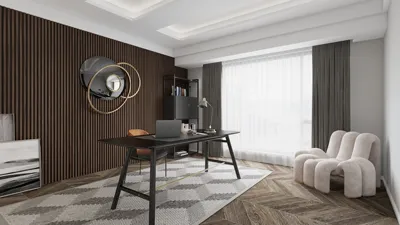


Having orchestrated numerous events at venues like Balashram, I've observed a commonality among the most remarkable gatherings: the ability of a space to transition smoothly from a ceremony to a celebration. Guests often recall the ambiance of a room—the golden hour glow, the comfort of seating arrangements, and the accessibility of food stations and photo opportunities—long after the music has faded.
This phenomenon has substantial backing. According to Gensler’s workplace studies, a variety of spatial configurations correlates with enhanced experience ratings, a principle that is equally relevant in event planning: diverse zones maintain energy levels and engage guests. The WELL v2 lighting guidelines also highlight that visual comfort and glare reduction significantly impact perceived quality, recommending balanced vertical lighting and tunable white lights that promote healthy circadian rhythms. These insights reveal a fundamental truth: the interplay of light and layout influences memory just as much as decorative elements do (Gensler Research, WELL v2).
Color psychology is crucial in enhancing this effect. Warm hues can foster social interactions, while cooler tones tend to evoke tranquility; when used thoughtfully, they subtly shape the atmosphere. In practical application, I employ a gentle, warm base at 2700–3000K for mingling during receptions, increasing to 3200–3500K for improved visibility during dinner, then retreating to 2700K with dimmable accents for a dance-friendly mood. This lighting journey mirrors the natural social behaviors of attendees throughout the evening and helps minimize visual fatigue.
Achieving Room Balance: Proportions, Pathways, and Zoning
For Balashram’s rectangular layout, I aim for a division of 60/40 between seated functions (such as dining or ceremonies) and more dynamic spaces (like bars and lounges). Pathways should ideally be maintained at 1.5–1.8 m wide for main aisles, expanding to 2.1 m near beverage stations or buffets to facilitate easy movement. If you're arranging tables, ensure 1.2 m of space between them for comfortable service and wheelchair accessibility.
Before finalizing rentals, envision various configurations for areas like the stage, dance floor, buffet, and lounge using a room layout tool. I suggest centering the dance floor or positioning it near the DJ to create an energetic anchor while ensuring that seated guests can still hear speeches clearly from the other end. Incorporating soft-seating arrangements around the room's boundary provides a retreat for quieter guests without making them feel isolated.
Lighting that Cultivates Memorable Moments
Layering light sources is more effective than relying on a single fixture. Begin with ambient lighting (dimmable ceiling cans or pendant lights), add task lighting (pinspot illumination over cakes, buffets, or sign-in stations), and finish with accent lighting (uplights highlighting drapery, plants, or key architectural features). The Illuminating Engineering Society recommends maintaining around 100–150 lux for social gatherings and 200–300 lux for dining; keeping glare levels low, especially on shiny surfaces, is vital for capturing great photos.
For optimal mood control, consider investing in three programmable lighting scenes: Welcome (3000–3200K, 150–200 lux ambient light with warm highlights), Dinner (3200–3500K at dining tables, with gentle uplighting at 10–20% for de-emphasized walls), and Party (2700K ambient light reduced to 75–120 lux with accent colors on uplights). Avoid saturating the entire venue with blue lighting, as it can adversely affect skin tones in photographs. Instead, prioritize warm whites for faces while allowing color to accent the surroundings.
Cultivating Acoustic Comfort Without Compromising Ambience
Events can lose their vibrancy if attendees are forced to yell. For a venue like Balashram, aim for a balanced reverberation time (RT60) of 0.8–1.2 seconds during dinner and 1.2–1.6 seconds while dancing. This can be achieved through strategic use of soft finishes—such as velvet drapery behind the stage, rugs in lounge areas, and acoustic panels wrapped in fabric conducive to event themes. If the ceiling is hard, using cloud banners or decorative lanterns can help diffuse sound reflections. Position DJs perpendicular to the longest walls and angle speakers inward to minimize sound hotspots.
Ergonomic Seating That Enhances Flow
Comfortable seating encourages guests to linger. Keep dining chair heights around 450 mm with medium-density foam; mixing banquettes with chairs offers varied postures. For cocktail settings, combine standing tables at 1050 mm with perches in a 2:1 ratio to lounge seating, ensuring there's always somewhere to sit or lean. Maintain at least 900 mm of space around clusters to facilitate service and accommodate strollers.
Engaging Colors and Materials
At Balashram, I utilize a three-layer color strategy: a neutral base (linen, soft whites, light stone), a signature hue (celebration color), and natural accents (foliage, wood, or rattan). Insights from color psychology suggest incorporating reds and corals as energetic highlights, balanced by faded greens in restful areas. Select materials that photograph well—matte or eggshell finishes tend to outperform high gloss for capturing images. Prioritizing sustainability is crucial; therefore, I recommend reusable fabric backdrops, LED lighting fixtures with high CRI (90+), and hiring decor instead of purchasing single-use items.
Creating Memorable Staging and Photo Opportunities
Establish a storytelling arc featuring three thoughtfully curated moments: a welcoming vignette (like an escort display or guestbook), a key spot for ceremonies or toasts (elevated by 150–200 mm or framed with a backdrop), and a pleasant surprise at night (such as a dessert cart or neon photo wall). Ensure the primary photo wall is at least 2.4 m wide to accommodate groups without crowding. Use pin spots with a 15–25° angle to minimize shadows on faces, and maintain clean lenses to ensure quality beams.
Efficient Service Routes and Vendor Logistics
Design a back-of-house route that does not interfere with primary photo opportunities. Maintain at least 2.4 m between bars or buffet stations and tables to minimize queuing noise. If splitting the hall for two sessions (like a ceremony followed by dinner), plan for a quick 15–20 minute transition using preset carts for table numbers, candle arrangements, and folded napkins.
Integrating Lighting Control and Technology
Wireless DMX systems and battery-powered uplights are excellent modern solutions—fast to set up and safer than heavy cable setups. For presentations and slideshow displays, place a 5,000+ lumen projector opposite a low-glare wall or drop-down screen; prevent ambient light from spilling onto the projection area using barn doors or snoots. Keep house lights on a separate dimmer bank for smooth transitions without full blackouts. Clearly label scenes for the operator and rehearse these transitions ahead of time.
Adaptive Design for Seasonal and Cultural Relevance
Balashram's design allows for graceful adaptation among various events, from weddings to corporate launches, using versatile decor. Employ neutral base drapery and swap overlays: marigold garlands and brass for traditional ceremonies, eucalyptus and linen for contemporary minimalist themes, or jewel-tone runners and lanterns for festive settings. Ensure centerpiece heights remain below 300 mm for clear sightlines across tables unless using tall, airy floral arrangements above 1,200 mm.
Proposed Layouts for Balashram
- Classic Reception: 60% of the space for dining with round tables, 20% dedicated to a central dance floor, alongside 10% for lounges and 10% for a bar and dessert station; position the stage opposite the entrance for a grand reveal.
- Ceremony-to-Dinner Transition: Arrange chairs in a chevron pattern towards a focal arch; transform front rows into a sweetheart table and a head table, while the team replaces rear rows with pre-set round tables.
- Cocktail Setup: Establish food stations and a perimeter bar, with the dance floor situated near the DJ, clustering high-top tables and two lounge areas; create a continuous circulation loop around the floor.
Before finalizing plans, utilize an interior layout planner to assess capacities, sightlines, and service routes.
Common Pitfalls and Simple Resolutions
- Overly bright lighting: Reduce ambiance to 150–200 lux and incorporate warm pin spots on decorative elements.
- Dead zones: Introduce a lounge vignette complete with a lamp and plant to revitalize flow.
- Audio fatigue: Incorporate soft backdrops and angle speakers towards the center; lower subwoofer levels during meal service.
- Glare in photographs: Replace glossy backdrops with matte fabrics or paper; shield overhead lights from the photo wall.
Frequently Asked Questions
With 60-inch round tables accommodating 8 guests each and a 1.2 m service clearance, a 300 m² open hall typically supports 120–160 seated attendees, along with a modest-sized dance area. Cocktail-style formats can boost capacity by 20–30% by reducing the number of chairs.
Use 3000–3200K lighting for welcoming and dining purposes to enhance skin tones, then apply 2700K for a warm late-night atmosphere. Task areas (buffet and cake displays) should remain at 3200–3500K for proper visibility, and avoid using blue washes across the entire space.
Add fabric draping behind the stage, soft rugs in lounges, and acoustic panels or artwork wrapped in fabric along parallel walls. Even modest coverage (20–30%) can significantly lower reverberation.
Plan for 0.3–0.4 m² for each dancing guest. For 60 active dancers, aim for 18–24 m². Ensure the dance floor is near the DJ to concentrate social energy.
Ensure 900 mm pathways, provide extra knee clearance for 1–2% of seating, and make sure ramps meet gentle slope standards. Always maintain at least one accessible route to the stage and restrooms.
Divide stations and mirror layouts on opposite sides of the space, ensuring they are at least 2.4 m away from tables and 2.1 m of clearance along the service front. Stagger the opening times to manage crowd distribution.
Prepare linens, candles, and table numbers on carts in advance. Allocate a 15–20 minute window for transitions with a clear sequence, breaking down front rows to create head tables while a second team arranges round tables at the back.
Opt for matte fabrics, brushed metals, and natural floral arrangements. Steer clear of high-gloss backdrops that reflect flash photography; instead, select fabrics or paper with subtle textures to add depth.
Anchor the design with neutral base textiles and apply theme colors in 20–30% of accents—napkins, runners, uplighting at low intensity, and florals. Maintain warm whites to enhance skin tones.
Gensler’s studies about the correlation between spatial variety and improved user experiences, alongside WELL v2’s focus on lighting quality, support a zone-based approach that promotes comfort and engagement.
Creating memorable moments at Balashram involves meticulous design infused with warmth: balanced spaces, flattering lighting, acoustic-friendly areas, and a narrative journey from arrival to the final dance. Once these elements converge, the entire event feels seamless.

Homestyler is the ideal home design platform for anyone looking to create their dream space. Its user-friendly online design tool, stunning 3D renderings, and comprehensive video tutorials make crafting beautiful interiors easy and fun. Whether you're a beginner or a seasoned designer, Homestyler inspires creativity!
تصميم الآن مجانا
































