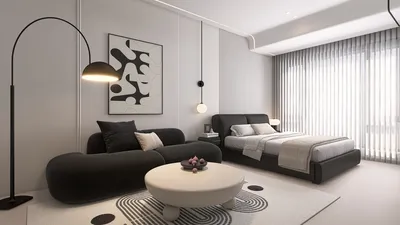


Over the past ten years, I've transformed empty spaces into vibrant, memorable party halls—areas that not only look fantastic but also enhance auditory experiences and promote seamless movement from the entrance to the dance floor. A successful celebration venue is built on the synergy between design principles and human behavior, ensuring sensory comfort and operational efficiency. This process begins with strategic lighting, sound management, and layout that reflect real-life usage patterns, all while adhering to industry benchmarks, such as those offered by Homestyler.
Lighting plays a critical role in establishing the overall atmosphere. The Illuminating Engineering Society (IES) suggests maintaining a brightness of 200–300 lux in general gathering spots to ensure visibility without causing discomfort; meanwhile, areas dedicated to tasks, like bars and buffet lines, should aim for 300–500 lux to enhance service efficiency and safety. Utilizing warm to neutral color temperatures—2700K to 3500K in relaxing lounge settings and 3500K to 4000K near service areas—ensures that guests look their best while also enhancing the appearance of food. Addressing wellness, the WELL v2 standard emphasizes the importance of glare control and visual comfort in enhancing the overall patron experience, allowing the venue to excel not just in aesthetics but in functionality. For variety in ambiance, integrating dimmable general lighting, targeted accent lights, and programmable scenes is essential.
The acoustic environment can significantly influence the success of any event. Research from Steelcase indicates that noise levels are a major concern in open spaces, and this holds true when music competes with speech. It is vital to aim for an optimized sound profile: keeping the reverberation time (RT60) between 0.8 and 1.2 seconds in mid-sized venues (accommodating 150-300 guests) maintains clear speech without sacrificing energy. One can incorporate sound-absorbing panels on ceilings, soft curtains along the walls, and plush seating arrangements. Properly positioning subwoofers, avoiding corners to minimize excessive bass, and placing the DJ or performance area opposite primary seating helps to manage sound spill into dining areas effectively.
Designing for Movement: Entry Points, Welcoming Guests, and Traffic Flow
The foundation of a great party starts right at the entrance. An effective entryway allows guests to decompress with clear signage, a coat check, or a gift station, while also providing immediate visibility of the bar and main stage. Primary pathways should be no less than 5 to 6 feet wide to facilitate two-way movement, accommodating trays and strollers. When planning layouts—particularly for seating arrangements, dance floor locations, and staging—utilizing an interior design tool like Homestyler can help simulate guest movement and service paths. My approach often involves creating three different layouts: one focused on socializing with larger lounge areas, another that caters to families with child-friendly zones, and a third enhancing performance with expanded staging and AV considerations.
Creating an Impactful Atmosphere with Layered Lighting
The secret to achieving a rich ambiance lies in the art of layering. Blend ambient lighting for a uniform glow, accent beams to highlight key decorative features such as floral arrangements and cake displays, and uplighting along the periphery for added visual depth. To eliminate glare, it's essential to keep lighting below eye level; using indirect wall grazers or coves prevents bright spots on guests' faces and shiny surfaces. Employing DMX or application-based controls allows for predefined lighting settings—like those for arrival, dining, speeches, dancing, or late-night gatherings—making it easier for staff to maintain an optimum mood throughout the event. When illuminating bars, high Color Rendering Index (CRI) lighting should be utilized to accentuate beverages and glassware, while asymmetric downlights at buffets help to reduce unwanted shadows.
Acoustic Strategies: Utilizing Materials and Effective Zoning
Effective sound management begins with a thoughtful zoning strategy. Define three distinct acoustic areas: the lively core around the dance floor and stage, a mid-energy zone accommodating the bar and social interactions, and a tranquil perimeter for seating, families, and seniors. Choosing the right materials is essential; items such as felt baffles, acoustic ceiling panels, comfortable rugs, and heavy drapes can significantly absorb unwanted high frequencies. If the venue boasts hard flooring, adding area rugs near seating arrangements and plush banquettes aids in controlling sound reflections. For clear speeches, ensure a decibel level of 10-12 dB above ambient noise; cardioid microphones can help minimize feedback, while small delay speakers ensure even sound distribution without overwhelming the mains.
Seating Arrangements and Spatial Considerations
Comfort is intrinsically linked to spatial proportioning. For banquet seating, allocating approximately 10 to 12 square feet per guest—including aisles—is advisable; cocktail setups typically require 6 to 8 square feet per attendee with tall tables and clustered seating. Maintain a minimum clearance of 42 inches between table edges for servers, and ensure at least 5 feet of space around the dance floor to promote movement. If your event includes a photo booth or an interactive station, designate a footprint of 6x8 feet while ensuring the queue does not intersect with food service areas. Attention to visual rhythm is important: alternate between tall and low centerpieces to keep sightlines open while avoiding visual clutter, and elevate the stage by 12 to 18 inches in medium rooms to promote better visibility for front-row tables.
Harnessing Color Psychology to Elevate Celebration Vibes
Colors play a crucial role in influencing moods. Warm shades—such as coral, amber, and blush—encourage interaction and create an inviting atmosphere. In contrast, cooler tones—like teal and indigo—instill a sense of sophistication and calmness. According to insights from Verywell Mind on color psychology, warm colors enhance perceived energy levels, while cooler tones foster relaxation. In practical application, balance warm hues in lively social areas and cool shades in more serene seating arrangements. Should your theme lean toward bold expressions, grounding the decor with neutral colors (such as charcoal, sand, or ivory) ensures that photos remain timeless.
Optimizing Bar, Buffet, and Service Organization
Position the bar strategically to attract but not hinder traffic. Opting for a side or diagonal placement that offers a seamless path from the entryway reduces congestion. For a crowd of 150, a bar length of 12 to 16 feet with two bartenders is generally effective, and mirroring the back bar can streamline the selection process. Buffets function best when arranged in parallel lines, with plates available at the front and carving stations placed towards the back to streamline guest flow. For plated service, designating a corridor from the food preparation area to the event space that remains distinct from guest passage is vital. Moreover, trash and bussing stations should be conveniently located yet discreet, ideally one per 40-50 guests.
AV Planning, Stage Setup, and Lighting Management
Initiate AV discussions early in the planning process. A compact stage design with cable management systems minimizes tripping hazards, and LED lights lower heat generation and energy consumption—add wireless uplighting for rapid thematic shifts. It's essential to maintain a central control point—ideally near the DJ booth—with clear visibility of both the dance floor and stage. Test microphone range and scene transitions during rehearsals; programming sound level limits in advance protects conversation during mealtime. If speeches are a significant part of your event, consider adding a small lectern light and confidence monitor, ensuring accessible pathways to the stage.
Understanding Human Behavior: Facilitating Movement, Signage, and Safety
Intuitive design cues shape guest behavior effectively. Utilize contrasting flooring or lighting to suggest pathways; signage should be at eye level near crucial decision points. Include handrails by stage steps, anti-slip edges on platforms, and maintain clear passages of 3 to 4 feet around emergency exits. For children's areas, soft barriers and high-contrast floor mats denote boundaries. A back-of-house loop connecting storage, preparation spaces, and staff restrooms is beneficial; this keeps service activities out of guests' sightlines, thereby enhancing their overall experience.
Material Selection and Sustainable Practices
Choosing durable, easy-to-clean materials ensures the hall maintains its appeal after each event. Opt for textiles with high-abrasion resistance, stain-resistant carpets, and washable wall treatments. Emphasizing sustainability through the use of LED lighting, modular decorative elements, and reusable drapery systems mitigates waste and reduces operating expenditures. Resource libraries like Material ConneXion offer valuable insights into finishes that harmonize aesthetics with durability, supporting a long-term vision for event spaces.
Embrace 2024-2025 Party Hall Trends
Several innovative trends deserve consideration: programmable lighting settings that effortlessly adapt the atmosphere without the need for furniture rearrangements; acoustic features that serve dual purposes as artistic installations; integrated photography zones equipped with power outlets for printers; hybrid celebration technologies (like live streaming corners) featuring flattering lighting and superior sound; and flexible seating arrangements that can pivot from welcoming guests to relaxing lounge spaces later in the evening.
Transforming Blank Spaces into Celebration Hubs: A Step-by-Step Workflow
Start by mapping out behavioral patterns: entry, greeting, seating, serving, toasting, dancing, and lingering. Outline three different layouts and test them with an interior design platform like Homestyler, which allows visualization of movement and staff positions. Secure lighting circuits for these moments, and then adjust acoustics and materials based on anticipated noise levels in high-traffic zones. Always conduct a rehearsal with key stakeholders; a one-hour dry run can reveal insights far beyond a week of correspondence.
Frequently Asked Questions (FAQ)
For traditional seated banquets, it's best to allocate 10 to 12 square feet per guest, including aisles. For cocktail-style gatherings, plan on 6 to 8 square feet per person to ensure comfortable movement.
Aim for an illumination level of 200 to 300 lux in general spaces, and 300 to 500 lux where bars and buffets are located. Ensure color temperatures stay within a range of 2700K to 4000K based on the area to keep a good balance of warmth and clarity, as recommended by the IES for optimal visual comfort.
Incorporate decorative acoustic panels, felt baffles, rugs, and curtains to enhance sound control. Use soft furnishings to break up lengthy hard surfaces, maintaining an RT60 within the 0.8 to 1.2 seconds range for medium-sized rooms.
Position the bar centrally or slightly off-center, ensuring a 5-foot clear perimeter. Maintain direct access from seating areas and bars to the dance floor, positioning the DJ or performance area opposite the main dining sections.
A typical setup involves a 12 to 16-foot bar with two bartenders. Ensure there is a queue that does not obstruct service aisles, and provide high CRI (over 90) lighting to enhance clarity and visual appeal.
Implement cardioid microphones, establish small delay speakers for even sound coverage, and keep a sound level of 10-12 dB above the ambient noise. Conduct pre-opening tests for gain settings and potential feedback issues to ensure everything runs smoothly.
Warm tones such as amber and blush invigorate social gathering spots, while cooler shades like teal and indigo help calm seating areas. In your design, balance warm colors in active zones and cooler tones in relaxed zones, supplemented by neutral backgrounds for a classic photographic appeal.
Ensure clear exit paths, 3 to 4-foot egress routes, anti-slip surfaces on stages, and cable management in place. Keep service pathways distinct from guest circulation areas to foster a safe and enjoyable environment.
Evaluate multiple layout options and simulate guest movement using an interior design tool. Validate specifics like aisle widths, bar configurations, and seating arrangements prior to finalizing decor choices.
Implementing LED lighting, reusable drapery, modular decor, and durable finishes not only reduces waste but also cuts operational costs while keeping the venue looking pristine.


Homestyler is your go-to online design platform that makes home styling simple and fun! With its user-friendly design tool, stunning 3D renderings, creative design projects, and helpful video tutorials, you'll effortlessly transform your space into a personal masterpiece. Enjoy the journey of DIY design!
立即免费设计
































