


Transforming a 3D scanned surface model into components suitable for SolidWorks can greatly improve your efficiency, especially within sectors such as manufacturing and design. This process hinges on the utilization of specialized software to convert scanned models into tangible solid features that can seamlessly be manipulated within SolidWorks.
Understanding the Fundamentals of 3D Scanning
Before embarking on the conversion journey, it’s crucial to understand what constitutes a 3D surface model. Unlike solid models, these surface models only outline the external contours without containing the volumetric aspect essential for solid modeling. Recognizing this distinction can greatly aid you in the conversion process, ensuring you make the right adjustments during the transition.
Step-by-Step Instructions to Convert Your Models
Here’s a detailed approach to turn your surface model into solid components in SolidWorks:
Importing the 3D Model: Start by loading your scanned surface model into SolidWorks, commonly in formats such as STL or OBJ. Ensure that your model is clean and precisely defined to prevent any complications in the next steps.
Surface Repair and Simplification: Utilize the 'Surface Tools' within SolidWorks to fix any gaps or flaws in the model. This is a pivotal step as it guarantees a seamless transition from surface to solid.
Creating Solid Features: After cleansing the surface, apply the 'Thicken' feature to turn surfaces into solid bodies. Modify the thickness as per your design specifications.
Finalize and Save: Conduct a final review of your solid model for any last-minute adjustments, and then save it as a SolidWorks part file. This is where you can also incorporate tools like Homestyler to visualize the finished product in various settings.
Enhancing Your SolidWorks Workflow
By adhering to this guide, you can fully exploit the advantages of 3D scanning combined with SolidWorks. This transformation allows for the merger of intricate geometries derived from actual objects, thereby streamlining both design and prototyping phases. Moreover, integrating cutting-edge technologies like 3D scanning into your design process can give you a competitive advantage by expediting the design phase while boosting precision.
Best Practices for Conversion
When undertaking model conversions, it's essential to follow best practices, such as preserving the original design intent and maintaining data integrity. Additionally, continuously refreshing your software knowledge and skills is crucial to ensure peak performance and adaptability to new advancements in the industry.
FAQ
The prevalent file formats for 3D models typically include STL and OBJ.
Prior to importing a scanned model into SolidWorks, ensure that it is well-defined, clear, and free from any gaps or imperfections.
The 'Thicken' feature is instrumental in converting surface models into solid models by infusing volume into the existing surfaces.
Surface repair is critical as it rectifies any gaps or flaws, facilitating a [smooth transition](#) from surface models to solid constructs.
Absolutely! This conversion method is particularly advantageous for intricate geometries that would be difficult to generate from inception, allowing for accurate replication of real-world items.

Modern Olive Green Velvet Loveseat Sofa with Metal Legs 3D Model
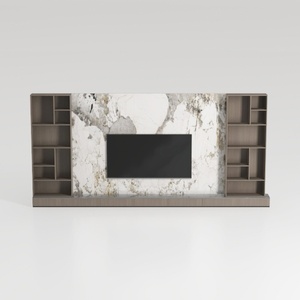
Modern Marble Solid Wood TV Wall Unit With Bookshelves 3D Model
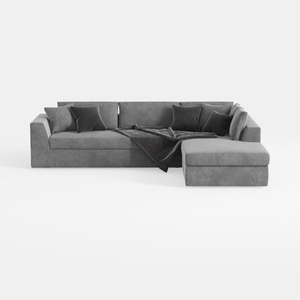
Minimalist Gray Fabric Sectional Sofa with Throw Pillows and Blanket 3D Model
Homestyler is your go-to online home design platform! With its user-friendly design tool, stunning 3D renderings, and a wealth of DIY video tutorials, you can unleash your creativity and transform your space effortlessly. Start designing your dream home today!
立即免费设计
































