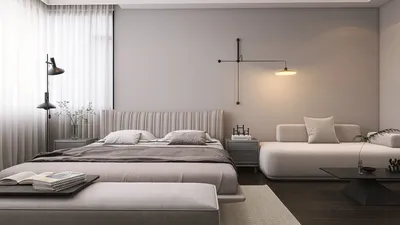


Papercrafting has transformed significantly due to advances in digital modeling technologies, allowing enthusiasts to construct three-dimensional objects from paper with remarkable detail. An exciting method of creating intricate paper models involves converting digital 3D designs into printable templates. This innovative approach enables you to transition complex and detailed creations from the digital realm to tangible forms straight from your desktop! Below is a designer's comprehensive guide on how to turn a 3D model into a stunning papercraft project using tools like Homestyler for visual aid.
1. Select or Create Your 3D Model
Begin by searching for a compatible 3D model, which can often be found in formats such as OBJ, STL, or 3DS. You can either download pre-made models from platforms like Thingiverse or Sketchfab or design your own with software like Blender or Tinkercad. When choosing a design, think about the complexity—the best approach for beginners is to start with simpler geometric shapes before advancing to more detailed characters or buildings.
2. Prepare the Model for Unfolding
Streamline your model by eliminating unnecessary geometrical components and simplifying the mesh. Many papercrafts perform better when built from low-polygon models. If required, use your 3D modeling software to decimate or trim polygons to ensure the design is manageable for folding and assembling.
3. Unfold the 3D Model with a Papercraft Tool
Employ specialized software such as Pepakura Designer or other tools that can effectively "unwrap" your 3D model into a flat, usable template. These applications generate 2D nets (unfolded designs), indicate fold lines, and allow you to arrange components conveniently. Export the resulting template in PDF or image format for later printing.
4. Print and Cut
Utilize a high-quality printer in combination with sturdy cardstock to ensure durability. Print the template and meticulously cut out the pieces using scissors or a craft knife. Precision in your cuts will result in a cleaner final appearance.
5. Score and Fold
One professional tip is to score the fold lines prior to creasing—this can be done using the back of a craft knife or a dedicated scoring tool. Follow the designated lines to fold, respecting the mountain and valley folds as specified by your template.
6. Assemble Your Papercraft
Connect the pieces by gluing the tabs in numerical or alphabetical order. For optimal results, use fast-drying paper glue, and exercise patience—taking your time will lead to a cleaner and more stable build. Consider clamping or holding pieces in place momentarily until they set, ensuring tight edges and robust joints.
As a designer, I always advocate for the use of digital interior visualization tools like Homestyler to play around with crafting ideas and to visualize model placements in your living or workspace. These tools allow you to see how your finished papercraft will blend with your room's décor, potentially igniting your creativity for display and design. For example, using a 3D render home tool can help you integrate your papercraft art seamlessly within existing or planned interiors, ensuring cohesive design.
Tips 1:
Opt for contrasting colors for visible surfaces and glue tabs on your template. This strategy simplifies the assembly process and minimizes the chance of glue marks being evident on the finished creation.
FAQ
Q: What file types can I use with papercraft unfolding software?
A: Popular software, including Pepakura Designer, supports file formats like OBJ, STL, and 3DS.
Q: Is it acceptable to use standard printer paper for papercraft models?
A: It's advisable to use cardstock or heavier paper for increased durability. Standard paper typically lacks the sturdiness needed for 3D models and may not maintain shape well.
Q: How can I simplify complex models for easier construction?
A: You can simplify the geometry of your 3D model by reducing the number of polygons, and consider building in stages by assembling larger components from subparts.
Q: What type of adhesive is best for papercraft assembly?
A: Fast-drying white glue or specialized paper glue is recommended as it prevents wrinkles and warping during assembly.
Q: Is it possible to design my own papercraft templates?
A: Absolutely! You can create or modify 3D models within design software, then employ unfolding tools to derive printable patterns.


Minimalist Cream Fabric Modular Sectional Sofa 3D Model
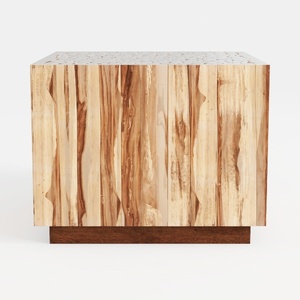
Minimalist Solid Wood Accent Cabinet with Textured Top 3D Model
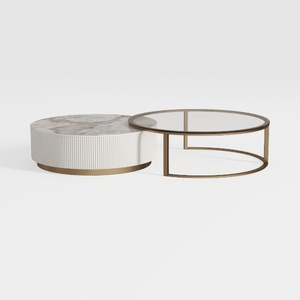
coffee table
Homestyler is your go-to online home design platform, perfect for both novices and seasoned DIYers. With its user-friendly design tool, stunning 3D renderings, an array of design projects, and helpful video tutorials, you can effortlessly transform your home into a masterpiece. Unlock your creativity today!
Design Now for FREE
































