

I once transformed a client's compact bedroom with a matte black finish since they wished for a 'cave of calm'. While this addition was visually striking, we nearly forfeited a rent deposit due to the dark ceiling. This experience taught me that small spaces require careful planning instead of impulsive decisions. To prevent such pitfalls and cultivate a sophisticated, cozy atmosphere, it's essential to visualize the space before making any purchases — and tools like Homestyler can assist with this visualization.
1. Create layered lighting for ambiance and functionality
In my designs, I always incorporate at least three types of lighting: ambient, task, and accent. Ambient lighting ensures the room remains functional, task lighting aids in activities such as reading or dressing, and a subtle accent lamp or LED strip adds a refined glow — this simple enhancement gives the space a polished feel. Although older buildings may present challenges with wiring or plug placement, strategic positioning of lamps and slim fixtures can typically resolve this on a budget.
2. Choose versatile furniture that truly delivers
Having remodeled several urban apartments, I lean towards furniture that serves multiple functions: such as benches with hidden storage, nightstands featuring drawers for books, or beds with built-in drawers. While some of these solutions might lack the charm of custom pieces, I ensure to focus on high-quality finishes and a cohesive color palette to maintain a subtle aesthetic. If floor space is limited, it’s wiser to select one standout multifunctional piece instead of multiple small organizers.
3. Establish a tranquil color foundation with a single bold accent
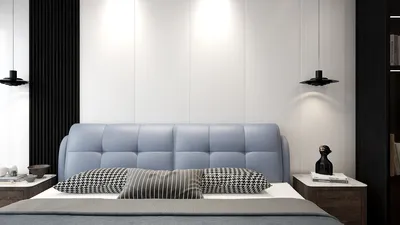
I typically initiate with a neutral backdrop — using warm greys, gentle taupes, or subdued blues — and then introduce a confident accent feature like a leather headboard or a piece of art. This approach maintains a serene atmosphere while providing a curated touch. Vibrant accents might be overwhelming for renters or future buyers, so I suggest using removable elements like artwork or textiles for resale purposes; after trying this with a rental conversion, simply changing cushions was enough to alter the room’s character.
4. Incorporate textiles, textures, and a headboard as a focal point
Remember: texture enhances comfort. I layer a plush rug, mixed-weave throw cushions, and a defined headboard to add depth without creating clutter. The headboard serves as the room's anchor, instantly making a simple bed look finished. The key challenge is achieving balance — excessive bulky fabrics in a small space can be overwhelming, hence I prefer one large texture paired with two smaller accents.
5. Curate a personal gallery with smart storage solutions
While adults appreciate character, excessive clutter can disrupt tranquility. I recommend a concise gallery wall above the dresser or bed, complemented by hidden storage options like boxes under the bed or a streamlined wardrobe organizer. A little curation can have a significant impact: I often ask clients to select their five favorite items while storing the rest; this practice frequently opens up space and enhances the room’s aesthetic. To provide a quick reality check, I sometimes utilize a 3D visualization tool like Homestyler to assess if the gallery or storage appears balanced within the room.
Bonus tip: If you need assistance in coordinating colors and layouts, consider using automated suggestions; this can accelerate decision-making while still benefiting from human oversight regarding proportions. An AI tool like Homestyler is great for generating ideas, which you can further customize to your liking.
FAQ
Begin with a soothing neutral for the walls and introduce one accent color through bedding or artwork. Test color samples in the room's natural light prior to finalizing, and maintain consistent finishes for a harmonious appearance.
An effective task lamp or an adjustable wall sconce positioned at eye level is ideal — it minimizes eye strain and avoids illuminating the entire space. Dimmable light bulbs provide an affordable and straightforward enhancement.
Maximize vertical space with tall wardrobes, make use of under-bed storage, and select multi-functional furniture. Regularly purge belongings: retaining fewer but higher quality items significantly improves storage efficiency.
No, but utilizing these elements can expedite the room's polished look and create a central focus. If you're renting, consider a removable fabric panel or a slim upholstered headboard that anchors the bed without needing significant installation.
Natural fabrics like cotton and linen provide better breathability and comfort for sleep, while layers of textures offer warmth and visual interest. It’s best to maintain one prominent texture alongside a couple of minor accents to prevent an overly cluttered appearance.
Distinct, personal accents can be easily changed. I recommend starting with neutral foundations and incorporating removable, vibrant elements such as cushions, rugs, and artwork. This protects resale value while allowing personal expression.
Mattress preference varies by individual, but medium-firm mattresses usually provide a balance of support and pressure relief for many adults. For clinical insights regarding sleep environments and mattress impacts, refer to the National Sleep Foundation’s guidelines at https://www.sleepfoundation.org.
The total cost is contingent on the project's scope: minor updates (like paint, textiles, and lamps) may be under $500; moderate improvements (including headboards, mattresses, and storage) typically fall between $1,000–$3,000. I prioritize items that are used daily — mattress, lighting, and bedding — and layer on style gradually as time goes on.
Discover the ease of home design with Homestyler! This online platform offers a user-friendly design tool, stunning 3D renderings, and a wealth of DIY video tutorials. Whether you're a novice or a seasoned decorator, Homestyler provides everything you need to bring your creative vision to life effortlessly.
Diseño ahora GRATIS
































