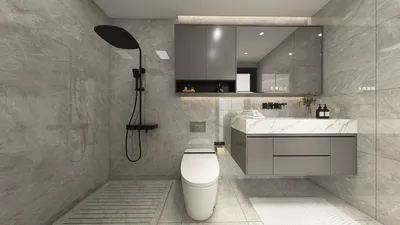


The parish hall reaches its maximum potential when each square foot adapts seamlessly to various functions—from Sunday services to weekday classes, youth rehearsals, weddings, charity events, and urgent meetings. My design for the Urwa Church Hall focuses on creating flexible zones, ensuring clear circulation paths, enhancing acoustics, and developing a lighting strategy that honors worship while facilitating performances and educational activities. The objective is to create a space that can shift its function in moments, not hours, and ages gracefully with time.
Demonstrating flexibility must be grounded in evidence. Research from Steelcase indicates that 87% of high-performing work environments attribute their success to adaptable spaces, further supporting the need for modular partitions and configurable furniture (source: steelcase.com/research). Additionally, the WELL Building Standard (v2) guidelines highlight the importance of visual, acoustic, and thermal comfort for occupant well-being, informing decisions from illumination goals to sound management (source: wellcertified.com). These frameworks provide an honest and measurable design approach.
Lighting needs can greatly differ based on the activities held in church halls. According to IES recommendations for multipurpose rooms, general lighting should be between 300 to 500 lux, increasing to 750 to 1000 lux for intricate tasks and reading, with glare control aimed at UGR ≤ 19 for visual comfort (source: ies.org/standards). For worship events and evening functions, tunable white lighting (2700K–3500K) creates a welcoming ambiance. In contrast, workshops and youth programs benefit from 3500K–4000K lighting that enhances alertness, avoiding the harshness of 5000K. A layered lighting design—comprising ambient grids, accent tracks for liturgical or stage focus, and movable task lamps—ensures we're ready for any occasion.
Spatial Layout: Defining Zones and Seamless Transitions
I conceptualize the hall into three main sections: the Community Commons (front), the Program Core (center), and the Support Spine (perimeter). The Commons accommodates receptions, coffee hours, and temporary exhibitions. The Program Core serves as a versatile area for services, classes, performances, and banquets. The Support Spine houses storage space, AV controls, a prep area adjacent to the sacristy, catering courses, and accessible restrooms. Circulation paths are deliberately kept clear, measuring 150 to 180 cm, allowing for smooth two-way movement and accommodating wheelchairs. In planning seating configurations, I utilize a room layout tool to quickly evaluate sightlines, service aisle dimensions, and evacuation routes:
room layout tool
Furniture and Modularity: Efficiency as Key
Chairs equipped with ganging clips can form rows for services and can be quickly detached for classroom layouts. Tables that fold and nest can be cleared from the floor in under 10 minutes. Portable lecterns, stackable stages, and lightweight risers allow for dynamic staging without a permanent proscenium. I plan for 20 to 25% surplus seating to be stored vertically near the Program Core for efficient transitions. To accommodate elderly congregants, seat heights are designed at 45 to 48 cm and include armrests to enhance ergonomics; for youth, bench modules promote social interaction while maintaining aisle discipline.
Lighting Architecture: Layered, Adjustable, and Glare-Controlled
The ambient lighting layer consists of dimmable LED panels or linear pendants on dual circuits to balance day and evening lighting. Accent lights via adjustable tracks focus on altar backgrounds, lecterns, artistic displays, and stage platforms. Task layers introduce portable LED lamps and wallwashers for activities like reading and crafting. My target is an average of 350 to 500 lux for general functions, 200 to 300 lux for reflective services, and 750 to 1000 lux with CRI ≥ 90 for detailed tasks or choir music. The use of baffles, matte finishes, and indirect uplighting effectively minimizes visual glare, while both photocell and manual dimming options ensure optimal use of daylight.
Acoustic Comfort: Clear Sound Without Echo
Multipurpose halls often face challenges with reverberation. I aim for an RT60 of approximately 1.0–1.4 seconds to ensure clear speech and warm music, achieving a balance between soft sound-absorbing surfaces (acoustic panels, curtains, upholstered seating) and diffusive elements (bookshelves, textured wood). Ceiling clouds above the Program Core help mitigate flutter echoes, while ear-height wall panels reduce slapback. A zoned PA system with cardioid sub placement safeguards adjacent rooms and constrains low-frequency accumulation. This leads to clear sermons, distinct announcements, and non-fatiguing rehearsal experiences.
Color Psychology and Atmosphere
Neutral tones—gentle taupe, warm greige, and subtle stone hues—form the foundation of the hall’s aesthetic, blending harmoniously with liturgical decorations. Accent colors vary by event: deep blues and burgundy for solemn occasions; sage, terracotta, and ochre for community events; and brighter tones like teal or sunflower for youth gatherings. Studies on color psychology indicate that blues and greens promote calm and concentration, while warm tones can enhance social interaction, which is particularly useful when customizing seasonal backdrops and banners.
Human-Centric Design: Accessibility, Safety, and Navigation
Entrances must accommodate strollers and wheelchairs while ensuring clear visibility to the reception area. I position coat racks and donation tables away from the main circulation paths to minimize congestion. Wayfinding employs consistent symbols, high-contrast signage (ideally featuring a 70% LRV difference), and clear color delineations for areas such as restrooms and exits. Door handles are lever-type to reduce grip effort; thresholds are designed flush. For events occurring at night, I recommend adding perimeter lighting and automatic outside lighting indicators for enhanced security.
Storage: The Underappreciated Asset
The functionality of a flexible hall is heavily reliant on effective storage solutions. I incorporate deep wall bays with full-height doors close to the Program Core, designed to accommodate dollies, folding tables, choir risers, and seasonal decorations. An organized labeling system and modular bins keep everything orderly. A compact AV cage safeguards microphones, mixers, and projectors, while integrated catering storage connects with a warm-up pantry that contains coffee urns, dish racks, and tablecloths—ensuring hospitality operations run smoothly and respectfully.
Materials and Maintenance Strategies
Floors are subjected to high traffic and rapid transformations. Resilient sheets or high-grade LVT offer comfort, dampen sound, and allow for straightforward cleaning; incorporate area rugs during services and remove them for fairs. Wall finishes should be resistant to scrubbing and have a low sheen to prevent glare. Wooden accents lend warmth and also help with passive sound diffusion. Upholstery will feature stain-resistant fabrics in mid-tone shades to conceal signs of wear. Sustainability considerations focus on incorporating LED fixtures, low-VOC finishes, and durable materials to minimize replacement frequency.
Technology and AV Integration
A concealed projector lift, ceiling-mounted speakers, and strategically placed floor boxes allow for versatile staging without cable clutter. Wireless microphones equipped with their dedicated charging dock streamline setup. For hybrid events, placing a PTZ camera at the back with a clear line of sight and nearby acoustic treatments averts echo disturbances. Control panels remain secure yet user-friendly for trained volunteers.
Layouts: Transforming From Worship to Banquet in a Heartbeat
I maintain three essential layout templates: Worship (row seating with a central aisle and a lectern or altar focus), Learning (groups of 6–8 with whiteboards and a movable teaching area), and Banquet (round tables for 8–10, with 120–150 cm service aisles and buffets positioned parallel to egress routes). Utilizing an interior layout planning tool accelerates the testing of capacities and service flows, particularly when anticipating guest counts and mobility requirements.
interior layout planner
Connecting with Outdoor Spaces and Community Interfaces
If the hall opens to a courtyard, I activate the boundary with landscaping elements like planters, shade sails, and movable benches. Exterior lighting at 3000K keeps nighttime gatherings inviting without harsh glare. A weather-protected service entrance ensures that deliveries do not disrupt guest arrivals.
Operations: Designed for Volunteer Efficiency
Changeover checklists, labeled storage, and color-coded cable kits assist volunteers in managing events seamlessly. The weight of furniture is selected for safe handling, while wheel stops on dollies enhance safety. Maintenance schedules coordinate with the event calendar to avoid any conflict.
Project Insights
In similar parish initiatives, the most efficient transitions stemmed from wide storage doors, pre-planned layouts kept in a digital library, and a disciplined approach to cable management. The hall felt more spacious, not due to its physical size but because it was well-organized—people instinctively knew where to congregate, queue, and take their seats.
FAQ
At minimum, three: Worship rows, Learning clusters, and Banquet rounds. Always keep quick-reference diagrams and ganging hardware readily available for a quick pivot within 15 to 20 minutes.
General events generally require seating around 350 to 500 lux; contemplative gatherings may drop to 200 to 300 lux; detailed tasks and rehearsal reading benefit from levels between 750 to 1000 lux, adhering to IES recommendations.
2700K–3500K is optimal for creating warm, reverent atmospheres; 3500K–4000K is suitable for learning and community activities; higher CCT is infrequently necessary unless daylight conditions are insufficient.
Aim to create an equilibrium between absorptive panels and curtains and diffusive timber or bookshelves. Target an RT60 around 1.0–1.4 seconds to ensure clarity in speech and musical warmth.
Employ foldable and nestable tables, chairs with ganging clips, portable risers, and mobile lecterns. Keep 20 to 25% surplus seating stored close to the Program Core for swift expansions.
Utilize low-profile stage platforms, adjustable lecterns, and staggered seating arrangements. Confirm layouts with a room design visualization tool to check sightlines ahead of events.
Select resilient flooring options (sheet or LVT) alongside area rugs, apply scrub-resistant wall finishes, and opt for upholstered seating featuring stain-resistant textiles. Wooden accents contribute warmth and sound diffusion.
Implement high-contrast signage, recognizable symbols, intuitive color designations, lever-style door handles, flush thresholds, and enhanced visibility from entry to reception and restrooms.
Integrate ceiling speakers, strategically placed floor boxes, wireless microphones, and a rear PTZ camera with localized acoustic treatment. Ensure that control panels remain straightforward and secured for authorized volunteers.
Maintain service aisles of 120–150 cm to ensure server safety and efficiency; primary circulation routes should stay between 150–180 cm to support two-way and accessible movement.


Clihome Mid-Century Modern Accent Chair with Wood
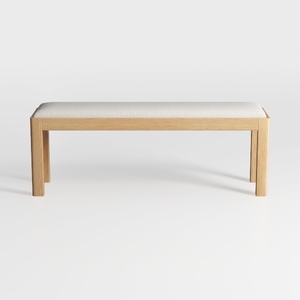
Minimalist Oak Fabric Upholstered Dining Bench 3D Model

Minimalist Solid Oak Fabric Upholstered Dining Chair 3D Model
Homestyler is the ultimate online home design platform for anyone looking to create their dream space. With its user-friendly design tool, stunning 3D renderings, and extensive library of DIY videos, you can easily transform your vision into reality. Explore, design, and inspire with Homestyler today!
Progetta ora GRATIS
































