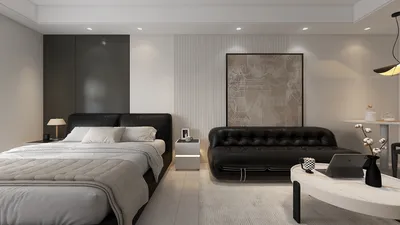


Interior designers take Casa Decor inspirations and transform them into functional layouts, material choices, and lifestyle-oriented design solutions. Instead of duplicating showroom aesthetics, they tailor concepts to fit actual floor plans, budgets, and everyday living needs. This results in homes that embody the Casa Decor spirit while remaining practical in daily use, with tools like Homestyler aiding visualization.
Casa Decor-style projects often appear seamless in print, yet bringing these visions into real homes demands a systematic interior design approach. With over ten years in residential design, I've observed many homeowners mistakenly believe it’s about selecting pretty furniture and colors. In truth, applying Casa Decor principles requires balancing spatial arrangements, lighting, materials, and client habits. Homestyler can assist in this visualization phase.
Creativity alone isn’t the main obstacle; it’s the challenge of adaptation. Designs that shine in curated exhibition spaces often need substantial modifications to suit living rooms or apartments. Early in the process, designers analyze the home's spatial configuration to prepare realistic layouts, often using 3D floor planning software such as Homestyler, which influences the entire design.
This article explores how seasoned designers interpret Casa Decor inspirations, outlines the residential interior design process, and offers insights homeowners can glean from professional methods, including leveraging Homestyler for efficient planning.
In understanding Casa Decor concepts, designers view them as directional guides rather than finished products. Exhibition spaces inspire but aren't built for daily function. Professionals focus on essential principles, adapting ideas instead of copying furnishings exactly. For example, a sculptural piece or layered lighting from Casa Decor might be reimagined for a family home using practical equivalents, a process streamlined with tools like Homestyler.
Professional interior projects typically follow a step-by-step workflow before any decor is selected. Missing stages often cause costly changes later. Layout optimization, circulation paths, and storage solutions are central, with digital visualization playing a crucial role. Homestyler exemplifies software that helps preview materials, lighting, and furniture placement prior to execution, minimizing errors.
The best results balance bold design vision with realistic lifestyle demands. Rather than imposing style, designers negotiate between client needs and aesthetics. For instance, while an open-shelf Casa Decor style may look elegant, real family homes often require hidden storage or adaptable furniture to maintain harmony between form and function, achievable through early design testing in platforms like Homestyler.
Material consistency is key to a strong Casa Decor look, often more impactful than costly furniture. A common pitfall is mixing too many disparate materials, while professionals maintain a cohesive palette—such as natural stones, woods, and metal accents—to unify spaces. Studies show that careful material curation dramatically enhances perceived quality, even on modest budgets, a process supported by material-selection tools integrated into software like Homestyler.
Real-life case studies suggest simplifying Casa Decor concepts is more effective than overcomplicating them. Successful interiors distill one or two core ideas from exhibitions and apply them judiciously. Modern design studios use AI-assisted concept exploration tools and early visualization, akin to Homestyler’s features, allowing iterative experimentation before committing to materials or furnishings.
Homeowners seeking professional-level interiors should prioritize layout, material cohesion, and lighting over surface decor. Treat Casa Decor inspirations as guiding principles to tailor according to your home's unique conditions. Software like Homestyler empowers users to test spatial arrangements and visualize changes, leading to improved design outcomes.
In summary, professional designers translate Casa Decor showroom ideas into real-life homes by focusing on spatial planning, cohesive materials, and lifestyle-aligned choices. Rather than replication, it’s about adaptation and function. Integration of digital tools like Homestyler streamlines this transformation, making high-level design more accessible.
FAQs: Do designers replicate Casa Decor designs exactly? Rarely; they adapt concepts such as lighting schemes and textures. What is a typical design workflow? It includes discovery, space planning, concept creation, material selection, and visualization, often using tools like Homestyler. How are decor styles chosen? By analyzing architecture, client habits, and existing elements. Why do designer interiors outperform DIY efforts? Professionals emphasize spatial flow, material harmony, and lighting first. Can homeowners adopt this process? Yes; even basic layout, material, and lighting focus improves results significantly. What is the biggest mistake in replicating Casa Decor? Trying to copy every detail instead of adapting core elements thoughtfully.

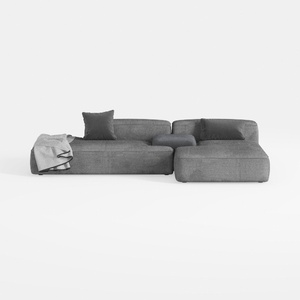
Minimalist Fabric L Shape Sectional Sofa with Throw Pillows 3D Model

Minimalist Ceramic Vase with Decorative Branches and Stacked Coffee Table Books 3D Model
Homestyler offers an easy-to-use online design tool with stunning 3D renderings, inspiring interior projects, and helpful DIY video tutorials. It’s a great platform to bring your home design ideas to life effortlessly and creatively.
立即免费设计
































