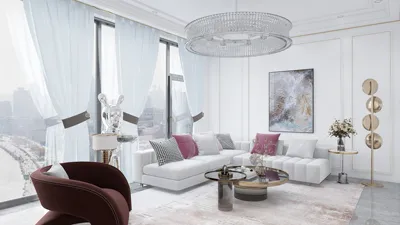


There was a time when I managed to persuade a client that a beige sofa against a cool grey wall would work well together. However, I received a text at an odd hour stating: "It resembles a dentist's waiting area." This urgent feedback motivated me to understand how subtle accents, varied textures, and thoughtful layouts can transform cold neutrals into welcoming living spaces. Small areas often inspire innovative solutions, and the combination of beige and grey proves to be an ideal canvas for creativity.
1. Introduce textures to create warmth
When beige and grey are used, they can appear flat if all elements share the same finish. In a studio I renovated, I replaced smooth grey paint with a micro-textured plaster on one wall and incorporated a boucle beige sofa along with a chunky wool rug — the room instantly gained a tactile and inviting feel. The benefit of this approach is achieving warmth affordably while providing significant visual appeal; the key challenge lies in ensuring the scale of the textures harmonizes without competing.
save pin
2. Incorporate warm metals and wood tones
Elements like brass lighting fixtures, oak shelves, or a walnut coffee table can infuse warmth into a beige and grey scheme without altering the overall color palette. Recently, I suggested warm metals for a kitchen-living area transformation, and my client appreciated the shift from a sterile feel to a more layered environment. However, care must be taken with dark woods in compact rooms; opting for slimmer styles can help maintain an airy atmosphere.
save pin
3. Establish a focal point with art
A sizable artwork that incorporates both beige and grey tones serves as an anchor for the living space. In one of my projects, a neutral abstract painting with touches of ochre brought harmony to the sofa and curtains, creating a unified appearance. The advantage of this strategy is the immediate infusion of personality, although it is crucial to choose the right scale and color balance to avoid a disjointed feel, so sampling prints beforehand is wise.
save pin
4. Experiment with contrast and scale
Feel free to incorporate deep charcoal or soft cream as contrasting layers — think about adding a charcoal throw pillow or cream linen drapes. I often vary cushion sizes and patterns to add depth, particularly in smaller sofas. This method quickly enhances visual interest; however, mixing too many patterns can create a cluttered look. Maintaining a consistent color thread is essential.
save pin
5. Optimize the layout for light and flow
In cozy living rooms, beige tends to reflect natural light, while grey can beautifully frame a view. For an oddly shaped flat, I redesigned the seating arrangements to create a clear line of sight towards the windows, which brightened the greys and warmed the beiges. This not only enhances the perceived spaciousness but sometimes requires sacrificing storage to improve flow — thus considering multi-functional furniture can be advantageous.
To explore furniture placements and experiment with various layouts quickly, I recommend utilizing the 3D floor planner in Homestyler. This tool has saved me considerable time on numerous projects and aids clients in visualizing scale without incurring significant costs.
save pin
FAQ
Q: Are beige and grey suitable for small living rooms? A: Absolutely — beige reflects light, while grey provides depth; together, they can create an illusion of spaciousness and sophistication if contrast and lighting are handled correctly.
Q: Which accent colors complement beige and grey best? A: Warm metals like brass, muted greens, ochre, and deep navy are excellent choices to add warmth or drama without creating a clash.
Q: What can I do to keep the space from feeling too cold? A: Incorporating layers of textures (such as wool, boucle, and linen), along with warm wooden or metal accents, while playing with tonal contrasts can help avoid a flat appearance.
Q: Should I paint walls beige or grey? A: Generally, it's best to use the lighter shade (often beige) on the main walls to maximize light, while reserving grey for an accent wall or architectural elements to add depth.
Q: What flooring complements beige and grey well? A: Warm oak or light stone tiles work harmony with both hues; it's wise to avoid overly cool flooring that could lean towards a clinical feel.
Q: Is it possible to mix patterns within a beige and grey room? A: Certainly — just limit it to 2-3 patterns and ensure a consistent color theme to maintain coherence rather than chaos.
Q: What kind of lighting should I choose for a beige and grey living room? A: Aim for a mix of ambient, task, and accent lighting with a warm color temperature (2700–3000K) to enhance the overall warmth; dimmers can help in setting the desired atmosphere.
Q: Where can I find effective layout tools for testing designs? A: I frequently make use of industry tools like the Homestyler room planner to visualize layouts and furniture placement.
save pin
Homestyler is your go-to online home design platform, perfect for both novices and pros. With its easy-to-use design tool, stunning 3D renderings, and rich library of DIY video tutorials, you can effortlessly create and visualize your dream spaces. Transform your home design journey today!
Design Now for FREE
































