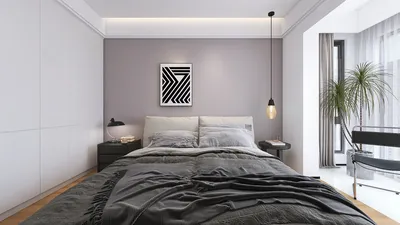


I once had a client request a minibar that cleverly folded into a hidden bookshelf — and yes, I made it happen. This quirky inquiry reminded me how even a multi-bedroom hotel suite can conceal charming surprises and intelligent designs. Thoughtful planning can transform a 3 bedroom hotel suite into an unforgettable guest experience, and I’m here to share insightful lessons learned through experience.
1. Define areas with subtle transitions
Rather than constructing walls, I frequently employ variations in flooring, area rugs, and ceiling details to demarcate living, sleeping, and workspace zones. This approach maintains an airy and adaptable atmosphere — allowing guests to enjoy privacy without the confinement that comes from excessive doors. The challenge lies in harmonizing finishes to ensure the suite appears as a unified design instead of a mismatched collection.
save pin
2. Invest in multifunctional furniture
During one hotel renovation, we incorporated sofa beds with built-in storage and a dining table that could fold into a console. Such selections expanded sleeping accommodations and luggage space without obstructing movement pathways. The drawback is a slightly higher initial investment and the necessity to choose robust mechanisms designed for frequent use.
save pin
3. Establish a service corridor for staff flow
Implementing a dedicated service pathway for housekeeping and room service enhances guest privacy while streamlining operations. Upon introducing this in a boutique hotel, we noted improvements in turnaround times and guests experienced fewer interruptions. This requires meticulous planning of doors and storage to avoid encroaching on rentable space.
save pin
4. Layer lighting for versatility
Three bedrooms necessitate adaptable lighting: ambient, task, and accent. I always incorporate dimmers and localized fixtures, allowing guests to create different atmospheres in each space. This simple upgrade boosts perceived luxury, though coordinating wiring across separate areas can complicate retrofit endeavors.
save pin
5. Customize storage for diverse guests
Consider more than just closets: luggage benches, valet hooks, and hidden compartments contribute to a suite’s thoughtful design. In one particular suite, adding a lockable cabinet for business travelers reduced complaints regarding the safety of valuables. The key challenge is balancing ample storage with a neat aesthetic — too many compartments can create a cluttered appearance.
save pin
Tips 1:
Need a way to quickly visualize layouts? I suggest trying out a reliable room planner like Homestyler to evaluate circulation and furniture scale prior to making commitments. For intricate floor geometry, utilizing a free floor plan creator can expedite approvals. When designing kitchenettes or wet bars, a specialized kitchen layout planner simplifies placement of appliances and plumbing.
save pin
FAQ
Q1: What is the ideal layout for a 3 bedroom hotel suite?
A1: The best layout separates communal living areas from private bedrooms, offers independent HVAC controls where feasible, and designs circulation paths to minimize cross-traffic. Focus on creating clear sightlines and privacy buffers.
Q2: How much storage should a 3 bedroom suite include?
A2: Aim for a complete closet in each bedroom alongside shared luggage storage and a few secure drawers; consider guests who may stay longer or travel with families.
Q3: Are kitchenettes a valuable addition to suites?
A3: Absolutely, especially for extended-stay guests, but keep them compact with efficient layouts and robust surfaces. A well-designed kitchenette can enhance ADR (average daily rate).
Q4: How do I ensure durability in hotel furnishings?
A4: Opt for commercial-grade fabrics, reinforced frames, and tested mechanisms. Although the upfront costs are higher, they provide savings in lower replacement frequencies.
Q5: What technologies enhance guest comfort in suites?
A5: Keycard-operated HVAC, dimmable lighting, USB charging ports, and blackout curtains are impactful features. Integrating basic automation increases perceived value.
Q6: How do I balance luxury with maintenance needs?
A6: Select easy-to-clean finishes that convey luxury—stone-like porcelain, high-thread-count linens that are treated, and accessible service locations for housekeeping.
Q7: Where can I locate trustworthy design tools for planning suites?
A7: Resources like Homestyler offer visual planners and layout tools that many designers utilize for quick iterations, showcasing effective tools in 3D floor planning examples.
Q8: Are there specific accessibility standards I must adhere to for suites?
A8: Yes — comply with local laws and refer to the ADA Standards for Accessible Design for US projects; you can find concrete guidelines on ada.gov for specific requirements.
save pin
Looking to transform your space? Homestyler is your go-to online home design platform! With its user-friendly design tool, stunning 3D renderings, and a wealth of DIY video tutorials, you can effortlessly create and visualize your dream interiors—perfect for both beginners and seasoned designers!
立即免费设计
































