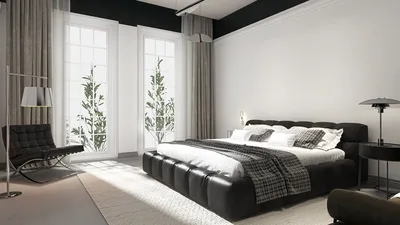


Emerging lifestyle demands—including hybrid work environments, multigenerational living patterns, and overall wellness—are increasingly at odds with common issues faced in today’s apartments, such as noise disturbances, clutter, and inefficient layouts. According to the National Association of Home Builders (NAHB), more than 50% of prospective buyers now prioritize versatile rooms over merely enlarging square footage. This trend suggests that our living spaces need to function more like integrated systems. In analyzing this floor plan for a 3-bedroom apartment measuring 55 by 90 feet, I see it as a prototype for a home that evolves in response to our needs before we even articulate them. Tools like Homestyler are invaluable in mapping out these spatial reasoning concepts effectively.
Linear Framework with Double Entry Points
Design Principle: A central corridor operates as the main spine, effectively separating public areas from private ones, while accommodating remote work and relaxation zones.
Flow: From the entryway to the mud alcove, leading into the kitchen and living area, and branching off to the bedrooms—this layout resembles a streamlined instruction guide that minimizes unnecessary transitions.
Sightlines: Clear views from the entrance to the balcony create visual connections, with intersecting axes that highlight dining and study areas as layers of functionality.
Storage: Hallway closets serve as strategic storage spaces, a nearby pantry enhances kitchen access, and linen towers adjacent to bathrooms offer quick retrieval.
Furniture Arrangement: Dining spaces allow for a clearance of 36 to 42 inches, with 9 to 10-foot sofa spans and queen-size beds complemented by 30-inch side aisles, ensuring every piece aligns with the flow of movement.
Conclusion: This layout establishes a calm foundation that accommodates daily variations, ready to handle five years of hybrid living dynamics seamlessly.
save pin
Courtyard Center with Boundary Rooms
Design Principle: A lightwell or courtyard at the heart of the floor plan provides stability, ensuring all rooms benefit from natural light, thus promoting wellness into the future.
Flow: From the entrance to the courtyard hub, encircling the living and kitchen areas, and bedrooms positioned around the perimeter—this circular design minimizes navigational delays.
Sightlines: Circular sightlines showcase windows as focal points; privacy increases the further one moves from the core of the home.
Storage: Perimeter wall cabinets function as long-term storage, while built-in benches near the courtyard provide accessible, short-term options.
Furniture Arrangement: A corner sectional is integrated into the circular layout, with modular tables that can be rearranged; rooms designated for twin to queen bed conversions remain within specifications.
Conclusion: This floor plan creates a breathability akin to a controlled environment, adapting readily to seasonal changes and evolving household dynamics.
save pin
Split-Wing with Dedicated Studio Space
Design Principle: The parents' suite is strategically separated from the children’s area, while a studio space can transition between office, guest, or creative usage—deliberately designed for the future.
Flow: From the entrance to the drop zone, leading to the central living area, and then branching into distinct wings; the studio placed near the entry serves as a highly accessible workspace.
Sightlines: Extended views along the living area maintain visual integrity; bedrooms are separated by gentle turns that act like user interface submenus, lessening cognitive burden.
Storage: Spacious wardrobes in the wings, a dedicated laundry space, and vertical bike racks near the entrance help to manage urban equipment efficiently.
Furniture Arrangement: Five-foot desk modules can be accommodated within the studio; a king-size bed in the primary suite elevates functionality; rooms designed to fit bunk beds ensure that play and sleep areas remain distinct.
Conclusion: This responsive layout considers future growth, quiet moments, and evolving routines, making it suitable for the next five years of family life.
save pin
Final Thoughts
The design of this 3-bedroom apartment within a 55 x 90 layout highlights the importance of intentional configurations over mere size. The three outlined designs transform circulation into a systematic coding, storage into accessible caches, and sightlines into intuitive interfaces that facilitate daily routines. From my perspective, the most intelligent homes of the future will not necessarily be larger but will prioritize intentionality through tools like Homestyler.
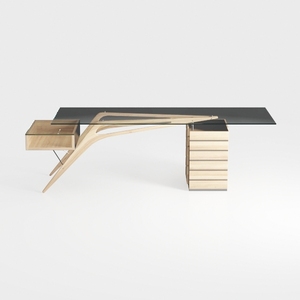
Modern Solid Wood Glass Top Office Desk With Storage Drawers 3D Model

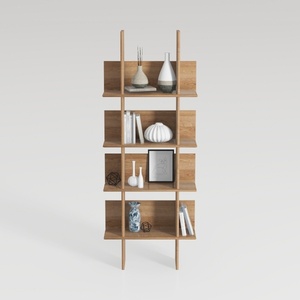

Minimalist Solid Wood Open Bookshelf Display Shelf 3D Model
Discover your dream home design with Homestyler! This user-friendly online platform offers a powerful design tool, stunning 3D renderings, and a wealth of inspiring design projects. Plus, with DIY video tutorials, you’ll have everything you need to create your perfect space effortlessly!
立即免费设计
































