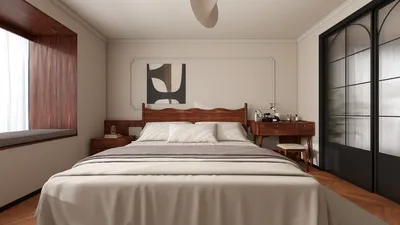


Once, a client tasked me with fitting a 10-seat dining arrangement into a 12 x 19 family room while insisting that the TV wall remain intact. I chuckled, then quickly drafted a design that maintained sightlines and introduced a cozy banquette — we shifted the TV slightly, and everyone left satisfied. When reimagining a 12 x 19 family room into a dining space, establishing clear priorities (like seating versus movement versus focal points) can be crucial. Experimenting with various room layouts initially can help prevent frustrations down the line.
Small areas can inspire significant creativity: appropriate proportions combined with a few strategic adjustments can result in a dining area that feels spacious rather than cramped. Here are five strategies I frequently apply in projects to successfully transition a 12 x 19 room into an inviting dining area.
1. Establish the dining zone with a subtle flooring change
I often incorporate a rug or alternate hardwood direction to visually anchor the dining table within the 12 x 19 dimensions. This approach is affordable and reversible, guiding guests on proper circulation paths. However, it does require upkeep—rugs must be properly sized to prevent tripping hazards or chair legs from getting caught.
2. Opt for a built-in banquette to maximize seating
Installing a built-in banquette along one long wall not only adds seating but also frees up precious floor space. In one compact townhouse, I designed a cushioned bench with storage underneath and a single pedestal table, comfortably accommodating eight patrons. The trade-offs include construction costs and permanence, yet the added storage and inviting atmosphere often justify this choice.
save pin
3. Choose versatile tables — extendable or folding
In a 12 x 19 room, I suggest using an extendable table or a drop-leaf model that remains compact for everyday use but expands to host guests. If you enjoy rearranging your furniture frequently, consider a table on casters or a lightweight folding option to maintain the room's functionality. Before settling on a table, measure clearances and consider crafting a quick mock-up to visualize how everything fits together, ensuring no chairs obstruct the flow.
save pin
4. Utilize lighting and vertical storage to create an illusion of height
A striking pendant light centered above the dining table draws the eye upward and demarcates the dining area, while tall cabinets or open shelving provide storage without consuming floor space. I often recommend glass-front cabinets to maintain an airy feel in the room; however, one must be mindful of styling—open shelving requires organization to avoid a cluttered appearance.
save pin
5. Design a hybrid dining and prep area
For additional countertop or serving space, consider adding a slim sideboard, bar cart, or a built-in buffet against one wall. This small upgrade can dramatically enhance the room's functionality and ease of hosting. For clients looking to visualize finishes and lighting, I frequently create quick 3D renderings using tools like Homestyler, allowing them to see how everything fits before committing to custom work.
save pin
Tips 1:
Budget strategy: prioritize permanent modifications (such as built-ins and lighting) for long-lasting solutions while employing adaptable, cost-effective pieces (like rugs and extendable tables) to experiment with layouts initially. Crafting a simple cardboard mock-up of your table's footprint can save you from expensive blunders.
save pin
FAQ
Q1: What size table is optimal for a 12 x 19 space? A: A table measuring 36–40 inches wide with a length up to 96 inches can fit comfortably, provided you maintain around 36 inches of circulation space around it. If you plan on hosting, an extendable table that remains compact during regular use is ideal.
Q2: How many people can realistically be seated in a 12 x 19 room? A: With thoughtful arrangement, it’s feasible to seat 8–10 individuals; incorporating a built-in banquette can further increase that number while ensuring clear circulation paths. Additionally, consider the table shape—rectangular designs tend to make the most of narrow spaces.
Q3: Should I adjust windows or doors when making this conversion? A: It’s generally unnecessary. I prefer working with existing openings and using lighting and layout adjustments to improve balance. Structural changes can be pricey and should be considered only if the current setup disrupts essential flow.
Q4: What clearance is recommended behind chairs? A: According to the National Kitchen & Bath Association (NKBA), leaving 36–48 inches behind seating is ideal for comfortable movement (check NKBA guidelines at https://nkba.org). Utilize these dimensions as a base for planning.
Q5: Is a lighting plan that includes only pendants acceptable? A: While pendants effectively delineate the dining table, I recommend incorporating dimmable ambient lighting for a well-balanced overall room atmosphere. Layered lighting can address both task and mood lighting needs.
Q6: How can I add storage without crowding the area? A: Opt for vertical cabinetry, under-bench storage, or a narrow buffet. Mirrored cabinet doors or glass fronts can help keep the visual weight light in the space.
Q7: What type of flooring should I select to define the dining area? A: A rug appropriately sized to accommodate chairs when pulled out is my go-to solution. Alternatively, consider varying the direction of floor planks or using a different stain to subtly indicate the dining zone without creating a physical barrier.
Q8: Is hiring a professional necessary for this renovation? A: If you’re making significant changes, like rearranging major elements, adding built-ins, or dealing with lighting and electrical wiring, a designer or contractor can save you time and money by preventing unnecessary rework. For initial layout tests, simple mock-ups are a great start, after which you can engage a professional for execution.
save pin
Homestyler is the ultimate online home design platform for anyone looking to transform their space. With its user-friendly design tool, stunning 3D renderings, and a wealth of DIY video tutorials, you can effortlessly create your dream home, no matter your experience level!
Design Now for FREE
































