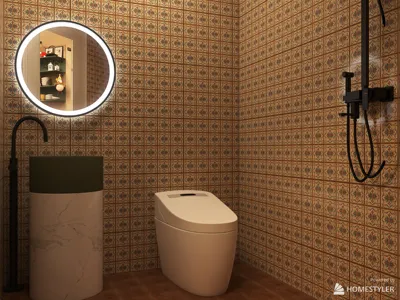


When considering wallpaper for a teenage room, I view it not just as a decorative element but also as a representation of identity and behavior. Choosing the right design, scale, and hue can influence daily habits, enhance concentration, and express individuality, all while ensuring the space remains comfortable and not overwhelming. A carefully selected wallpaper can serve as a foundational element that harmonizes lighting, furniture arrangement, and everyday activities. One effective tool for visualizing these elements is Homestyler, which allows users to see how different designs work together in their space.
The power of color psychology should not be underestimated. As noted by Verywell Mind, softer shades like blue are conducive to tranquility and focus, while greens can rejuvenate a space, making them perfect for study areas. According to WELL v2 standards, it’s essential to minimize glare and achieve balanced lighting to alleviate eye fatigue. Combining matte-finish wallpapers with multi-layered lighting solutions follows this guidance, creating a comfortable environment for late-night study sessions.
Research in workplace environments surprisingly applies here. Studies by Steelcase indicate that having control over one's surroundings increases satisfaction and engagement. By applying this principle to a teenager's room, it’s vital to choose wallpapers that allow for personalization—consider removable sections, areas that facilitate pinning notes, or spaces with a mix of patterns and paint. This adaptability allows the room to grow alongside the teen's interests as they mature.
Establishing a visual theme begins with selecting a design that reflects individuality rather than conforming to stereotypes. For example, celestial themes suit astronomy enthusiasts, while botanical motifs appeal to those who love nature. It’s important to maintain a unified color scheme across fabrics and lighting to minimize visual clutter. I always look for a standout wall—perhaps behind the bed or desk—and subtly echo those colors throughout the space to create a sense of harmony and avoid pattern fatigue.
When it comes to pattern scale and balance within space, large motifs can create an illusion of expansiveness in smaller rooms, provided they are balanced with moderate contrast. Micro-patterns are perfect for small corners and closet interiors, adding an element of charm without obscuring lines of sight. If the room has sloped ceilings or other architectural details, utilizing a small-scale wallpaper on those inclines can help smoothen visual breaks.
In practical application of color psychology, cooler shades like dusty blue and soft gray are known to boost concentration in study areas. Warmer tones, such as terracotta or blush, can inspire creativity without being overstimulating. I often blend a calming base wallpaper with bolder accessories, which allows the ambiance to shift according to the needs of the moment—perfect for balancing study and relaxation.
Regarding lighting, it's beneficial to consider the finish of the wallpaper in relation to light. Glossy surfaces may create glare, whereas matte or eggshell finishes help minimize it, especially under LED task lighting. It’s wise to layer the lighting sources: ambient light (soft 2700–3000K), task lighting (3500–4000K for visibility), and accent lights that enhance textures without casting harsh shadows. This method aligns with WELL v2 comfort principles, ensuring a cozy yet functional room.
Using wallpaper strategically can help define distinct zones within the room—such as study, sleep, and leisure areas. A geometric or striped feature wall behind the desk can encourage focus, while softer botanical designs behind the bed can promote relaxation. If you’re reviewing furniture layout and pathways, utilizing Homestyler can significantly aid in visualizing how the distribution of patterns may affect flow, storage, and overall sightlines before making any purchases.
Textured wallpapers, including grasscloth and linen looks, introduce tactile softness and enhance sound absorption. It’s advisable to choose low-VOC inks and FSC-certified materials when possible. For those often redecorating, removable vinyl wallpapers are user-friendly. Fabric-backed papers and non-wovens are excellent choices in high-traffic areas such as near mirrors and vanity tables due to their durability.
Deciding between an accent wall and full-room coverage involves careful consideration of budget and visual impact. Accent walls are effective for maintaining a cohesive look without overwhelming the space, while full wraps create an immersive experience but can require careful selection of patterns to prevent visual chaos. In elongated rooms, consider wrapping only the shorter walls with bold designs to create an illusion of width.
To effectively mix patterns without creating chaos, find a common color palette and play with varying sizes: incorporate one large motif, one medium stripe, and perhaps a smaller dot or texture. Keeping the contrast at a reasonable level ensures visual coherence; using high-contrast combinations is best reserved for smaller elements like shelves or the backs of wardrobes.
Having a clean, subtle pattern behind the desk area can significantly minimize distractions during video calls and help maintain focus on tasks. It’s wise to avoid highly reflective materials in this space, as they can disrupt visibility under LED lighting. Combining pinboards or magnetic wallpaper with your design also offers a great way to merge functionality with aesthetics.
For ease of maintenance, select washable wallpaper in high-contact areas, particularly near makeup zones and door handles. In environments with humidifiers, opting for non-woven wallpaper helps resist warping compared to paper-only options. Keep extra rolls handy for future repairs, and consider framing offcuts as decorative art pieces to maintain continuity in the room’s design.
To ensure a room's design can adapt over time, consider a neutral foundation that allows for seasonal accents, interchangeable borders, or even removable mural panels to refresh the look easily. Incorporating dimmable lights and a dedicated display rail for rotating artwork gives teens the ability to curate their space creatively without causing damage to the walls.
Here are some quick style suggestions:
- A gentle ombré design behind the bed for a serene, mature atmosphere
- A minimalist grid pattern at the desk, promoting a sense of organization
- Whimsical hand-drawn florals within closet interiors for a charming surprise
- Subtle metallic pinstripes near the vanity provide a soft hint of sparkle
- Monochrome botanical prints to avoid clashing with bedding
FAQ
Q1: Which wallpaper colors enhance study focus?
A: Muted cool tones such as soft blues, teals, and grays are beneficial for concentration. Insights from Verywell Mind support the use of blues for achieving calm and focus.
Q2: Is it more effective to have an accent wall instead of wallpapering the entire room?
A: In compact or visually busy rooms, an accent wall makes a significant impact while keeping the visual load light. Full wraps are more suitable for well-balanced, low-contrast patterns paired with simpler furnishings.
Q3: How can I reduce glare when using wallpaper?
A: Opt for matte or eggshell finishes and steer clear of high-gloss metallics near task lighting. Incorporating ambient and task lighting at approximately 3000–4000K ensures a comfortable contrast.
Q4: What scale of patterns works best in smaller rooms?
A: Large patterns with subtle contrast can enhance the perceived size of limited spaces, while micro-patterns can fondly complement smaller niches. It’s crucial to keep the repeat clean and refrain from dense, high-contrast designs on every wall.
Q5: Are removable wallpapers durable enough for teen rooms?
A: Quality removable vinyl wallpapers are quite robust and perfect for accommodating shifting tastes. For more demanding areas, fabric-backed or non-woven wallpapers offer greater durability.
Q6: Can wallpapers contribute to sound absorption?
A: Textured wallpapers can assist with minor sound diffusion, especially those with grasscloth or embossed features. Combining them with soft furnishings—like curtains and rugs—boosts acoustic comfort.
Q7: What’s an effective way to divide different regions in a teen room using wallpaper?
A: Utilize distinct yet complementary wallpapers to delineate study and sleep zones, and utilize a room design tool like Homestyler to experiment with furniture paths and visual lines before commitment.
Q8: How can I mix multiple patterns without causing clashing?
A: Ensure all designs share a common color palette while varying the scale—choose a dominant large pattern, a medium stripe, and a small texture. Keeping one element solid, like curtains or rugs, helps to create visual rest.
Q9: What lighting is optimal for spaces with metallic wallpapers?
A: It’s best to use soft ambient lighting and indirect LED strips to minimize glare from metallic surfaces. For task lighting, opt for slightly warmer bulbs or angle them away from shiny areas.
Q10: How frequently should wallpaper in a teen room be refreshed?
A: A good approach is to plan modular updates every 18–24 months—swapping out a mural panel or adding new borders—while keeping a timeless base to simplify future renovations.
Transform your home design dreams into reality with Homestyler! This user-friendly platform features an intuitive online design tool, stunning 3D renderings, a wealth of design projects, and helpful DIY video tutorials. Perfect for anyone looking to design their space effortlessly!
Design jetzt kostenlos
































