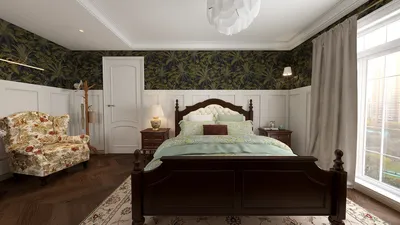


Brick wallpaper can achieve what traditional masonry often falls short of in urban apartments: it provides texture, depth, and a sense of permanence without adding extra weight or requiring extensive structural adjustments. In smaller living rooms, a carefully selected brick motif—complemented by strategically placed lighting, comfortable seating, and well-considered acoustics—can create a layered, contemporary atmosphere that also feels inviting and substantial.
Research underscores the connection between living environments and mood performance. Studies in color psychology indicate that warm, subdued reds and terracotta shades foster feelings of comfort and community, while cooler, muted tones can alleviate visual fatigue (source: Verywell Mind color psychology). The quality of lighting also influences perceptions of space and comfort; according to the Illuminating Engineering Society, it is advised to aim for around 10–20 footcandles (100–200 lux) in living areas, enhancing task layers to about 30–50 footcandles to maintain clarity without glare (IES standards). By integrating matte brick wallpapers with a comprehensive lighting strategy in urban apartments, residents frequently report more peaceful evenings and improved comfort while watching television.
From a wellness standpoint, balanced lighting, material reflectance, and sound control are pivotal. The WELL v2 framework outlines the importance of glare management, circadian-friendly lighting, and the selection of materials that enhance occupant comfort. Brick-effect wallpapers with a mid-range Light Reflectance Value (LRV) between 35-55 can help prevent cave-like darkness while retaining texture. Complementing it with dimmable warm white lights (2700–3000K) fosters a soothing atmosphere during the evening, enhancing the brick pattern.
Selecting the Ideal Brick Tone and Size
Urban living areas thrive on curated brick color schemes, including charcoal, clay, whitewashed, or gentle greige tones. Large-format brick prints minimize visual clutter in smaller spaces, while medium-sized patterns exude a classic loft vibe without overwhelming the room. I steer clear of overly saturated red bricks in compact living rooms; opting for muted hues maintains clear sightlines and refines furniture outlines. For spaces inclined towards Scandinavian or Japandi styles, white or chalked brick wallpaper provides a gentle, textured backdrop that beautifully enhances natural wood and linen elements.
Matte Over Gloss: Controlling Glare and Texture
Glossy wallpapers can intensify specular highlights from windows and light fixtures, potentially causing visual strain. A matte or eggshell finish reveals texture and minuscule shadowing that realistically depicts brick. Coupling this with a low-glare lighting setup—using shielded wall washers, indirect floor lamps, and ceiling fixtures equipped with diffusers—preserves the brick’s dimensionality while complying with the recommended light levels by IES for living rooms. The tactile feel of the surface will more closely resemble masonry rather than a mere print.
Layered Lighting That Accentuates Texture
Initiate with ambient lighting around 100–200 lux, then enhance with accent lights that specifically illuminate the brick wallpaper for added depth. I typically position linear wall washers 12–18 inches from the feature wall, angled shallowly to enhance micro-shadows from the brick joints. Task lighting close to seating should reach 300–500 lux for reading purposes. Consistency in color temperature (2700–3000K) is necessary to ensure a uniform appearance across the brick surface. Dim-to-warm fixtures are exceptional for nighttime relaxation, allowing grain details to remain distinct while decreasing brightness levels.
Locating Feature Walls and Aligning Furniture
Brick wallpaper excels when it acts as the anchor for a living room's focal point—typically behind the media unit or along the longest visual line from the entrance. Position the sofa parallel or perpendicular to the brick feature to optimize the textural experience from primary seating areas. In small studio apartments, a brick wall placed directly behind the sofa can create a lounge space effectively without the use of physical dividers. For efficient space planning and quick visualization of sofa-to-wall distances, consider employing a room layout tool to simulate traffic flow and seating arrangements, as well as glare angles from windows.
Color Combinations That Enhance Urban Warmth
Brick pairs beautifully with neutral colors like dove gray, oatmeal, tobacco, and deep ink. To balance the warmth of a brick wall, incorporate graphite furnishings and smoked glass tables; conversely, to warm up a whitewashed brick, infuse camel leather and walnut elements. Research from Verywell Mind suggests that muted blues and greens can lower stress levels; I often incorporate these tones through cushions or artwork to create harmony with a warm brick palette. Maintain a ratio of 60/30/10—60% for base neutrals, 30% for the feature brick and coordinating tones, and 10% for accent colors—to establish a visually deliberate rhythm.
Acoustic Comfort Without Intensive Construction
Whether real or simulated, brick reflects mid-to-high frequency sound. To counteract this, integrate soft materials: a thick rug (minimum of 0.5-inch pile), upholstered furniture, and fabric window treatments. Slim acoustic panels wrapped in natural fibers positioned across from the brick wall can minimize echo while retaining an industrial look. If your wallpaper includes slight embossing, it will diffuse sound more effectively than flat prints.
Material Integrity and Eco-friendliness
Opt for wallpapers featuring non-PVC substrates, low-VOC inks, and certifications for emissions from third-party organizations. For longevity and resistance to scuffs in high-traffic areas, vinyl-coated options are ideal. For renters, peel-and-stick varieties allow easy removal without leaving residue. I prioritize wallpapers with scrubbable ratings for media walls, which are often subject to fingerprints and incidental impacts.
Visual Tricks for Compact Urban Living Areas
Opt for lighter brick shades and a tighter mortar line to visually amplify wall space. If your wallpaper supports a stacked layout, applying the brick pattern vertically can create an illusion of higher ceilings. In small units, limit the brick pattern to a single wall; introducing two opposing brick walls can constrict the area. Position furniture slightly away from the feature wall to maintain depth perception and prevent flattening of the brick effect.
Lighting Adjustments and Evening Experience
In city living rooms that serve multiple functions, adding scene controls—such as Reading, Media, and Social—allows ambient levels to be reduced to 70–100 lux during movie nights while preserving edge lighting sufficient to highlight the brick texture. The WELL v2 guidelines emphasize the importance of managing glare and supporting circadian rhythms, advocating for softer evening lighting scenes and minimal blue light spikes, as well as adjustable brightness settings.
Art, Shelving, and Visual Flow
When decorating on brick wallpaper, frame sizes should be kept cohesive and moderate; three medium frames aligned with mortar lines typically appear cleaner than a single oversized piece. For shelving, consider using blackened steel or slender oak shelves, securely mounted into studs or with rated anchors. Ensure ample negative space so that the brick texture remains a prominent feature rather than being overshadowed by clutter.
Urban Loft vs. Refined Minimalism: Two Design Paths
Loft style embraces charcoal brick wallpaper, raw steel lighting, cognac leather, and concrete side tables. In contrast, a minimal approach features whitewashed brick, linen sofas, pale oak accents, and diffused sconces. Both styles can be successfully executed in small living areas when lighting is carefully adjusted and furniture dimensions are appropriate to the available square footage.
Effective Layout Strategies
- Designate the longest wall with brick wallpaper, positioning the sofa to face or sit adjacent to it.
- Maintain a clearance of 30–36 inches behind seating to promote unobstructed traffic flow.
- Position media screens to avert direct sunlight, preventing washout of the brick's texture.
- Utilize layout simulation tools to evaluate angles for seating and light fixture arrangements against glare and acoustic hotspots.
Frequently Asked Questions
Typically, one feature wall is ideal. A single accent wall adds depth without making the space feel smaller, while in larger rooms, two adjacent walls can work if the lighting and furnishings maintain a balanced layout.
Select warmer, muted clay or greige bricks to balance out cooler lighting. Combine with 2700–3000K lamps to ensure evenings remain cozy, avoiding an overly cool hue on the walls.
Indeed. Brick reflects mid-to-high frequencies well. To balance this, include soft furnishings, a dense rug, and fabric drapes. Wallpapers with slight embossing will scatter sound more effectively than flat designs.
Aim for 100–200 lux for ambient lighting and 300–500 lux for reading tasks. Use grazing accent lighting to reveal textural elements without creating glare, adhering to IES guidelines for living spaces.
Absolutely. Opt for charcoal or whitewashed brick patterns, matte finishes, and streamlined furniture. Thin black frames and smoked glass accents refine the industrial aesthetic.
High-quality peel-and-stick options can withstand rental use. Look for scrubbable ratings alongside low-VOC inks, avoiding areas subject to high abrasion unless explicitly rated for durability.
Muted colors like blue, moss green, ink, camel, and walnut pair harmoniously. Limit accents to approximately 10% of the overall scheme for balance, using textiles to assess saturation before committing to a choice.
Employ matte wallpaper, sheer curtains to diffuse light, and shielded fixtures. Position accent lighting at grazing angles and dim them in the evening to maintain texture clarity.
Screen placement on or beside the brick wall is recommended, ensuring that direct sunlight is avoided to maintain the wall's visual integrity. Conceal cable management for a cleaner presentation.
Certainly. A single brick wall behind a sofa or media unit effectively defines the lounge area. Utilize rugs and specific lighting scenes to enhance this zone without the need for physical barriers.
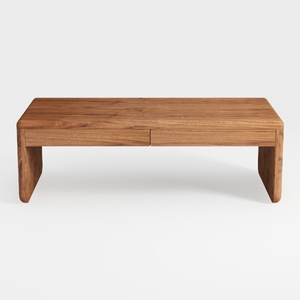
Minimalist Solid Wood Two Drawer Coffee Table 3D Model
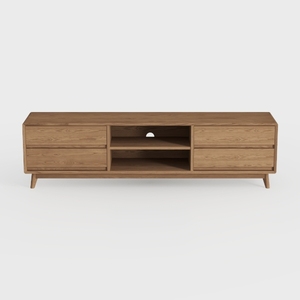
OKD TV Stand for 75+ Inch TV, Mid Century Modern


Rustic Solid Wood Round Coffee Table With Black Metal Legs 3D Model
Homestyler is your go-to online home design platform, perfect for those looking to unleash their creativity. With its user-friendly design tool, stunning 3D renderings, and a wealth of DIY video tutorials, transforming your space has never been easier or more enjoyable!
Progetta ora GRATIS
































