

I've assisted numerous teens in transforming unadorned rooms into functional yet expressive spaces that evolve alongside them. The most effective designs harmonize individuality and usability—ensuring comfort, designated activity zones, proper acoustic management, and lighting that accommodates studying, gaming, content creation, and relaxation. A few key metrics inform my methodology: the WELL v2 standards recommend utilizing warmer lights between 2700–3000K in the evenings and neutral to cool lights ranging from 4000–5000K during the day for enhanced focus; additionally, Gensler's workplace insights reveal that thoughtfully designed environments can elevate perceived productivity and satisfaction. This concept is directly applicable to both schoolwork and creative tasks. Research by Steelcase emphasizes that ergonomically supportive setups help minimize fatigue, allowing teens to maintain concentration during academic or gaming activities.
Lighting is undeniably the strongest element influencing mood and performance. I adhere to IES guidelines for ideal luminance: approximately 300–500 lux for study desks, 150–300 lux for ambient lighting, and 50–150 lux for winding down. This should be complemented by varied control options like task lamps, dimmable strips, and blackout curtains to alleviate glare and reflections from screens. When arranging a room, I frequently utilize a layout simulation tool to assess how the positioning of desks impacts natural light and glare pathways.
Creating a Personal Mood Board
Begin with a visual summary. Collect around 12 to 15 inspiring images, including favorite album covers, stills from films, travel snapshots, and color swatches. Understanding color psychology is crucial; research from Verywell Mind reveals that shades of blue promote calmness and concentration while yellows impart energy. For teens, I often recommend a neutral base (such as warm gray or soft beige) intermixed with a single accent color that is consistently used in textiles and artwork. It’s important to maintain a balanced ratio: approximately 70% neutrals, 20% accents, and 10% bold highlights. This composition allows adaptability as preferences shift over time.
DIY Feature Wall Options: Paint, Panels, or Stickers
Weekend projects that create impactful changes include geometric painted sections, half-height color blocking, or removable mural decals. For those renting, consider options like peel-and-stick fluted panels or foam boards coated in the chosen accent color. Placing a feature wall perpendicular to the window helps prevent distracting uneven daylight streaks during screen usage. If the space also serves as a streaming or practice area for instruments, think about incorporating acoustic felt tiles; even a coverage of 20–30% can significantly dampen echoes.
Lighting Enhancements: Layered, Dimmable, and Screen-Compatible
Combine three lighting layers: ambient (ceiling fixtures or LED coves), task (adjustable desk lamps with a CRI of 90+), and accent (RGBW strips under shelves). Adhere to IES recommendations: set task lighting to about 400–500 lux during study time and reduce it to below 150 lux at bedtime. Incorporate a warm 2700K bedside lamp with an opal diffuser to minimize glare. If using LED strips, ensure they are placed indirectly—bouncing light off walls or shelves for a more diffused glow. Predefined scenes—Focus, Chill, and Night—simplify daily lighting adjustments.
Stylish Storage Solutions
An aesthetically pleasing and organized environment greatly enhances productivity. I design storage systems in vertical arrangements: lower cabinets for heavier items, open mid-level shelves for display, and upper bins for seasonal belongings. Implement a consistent labeling strategy along with color-coded boxes. A fun DIY tip: construct a low bench featuring two cubbies topped with a cushion for additional seating and hidden storage. It’s effective to keep 20–30% of shelf space intentionally empty to avoid visual clutter.
Study Nook Designed for Concentration
Orient the desk with the window to one side rather than directly in front or behind to reduce glare. For optimal ergonomics, ensure the monitor’s top is at or just below eye level, with knees and elbows forming approximately 90-degree angles; the chair should promote lumbar support. If space is limited, consider a wall-mounted fold-down desk to clear the area for workouts or dance practice. To experiment with various layout configurations and assess visual balance, utilize an interior layout planner like Homestyler to visualize desk and bed placements for improved light and airflow.
DIY Headboard and Textiles
Soft furnishings play an important role in both acoustics and comfort. Construct a straightforward upholstered headboard using plywood, foam, and fabric, selecting a performance textile that is stain-resistant. Layer the bed with breathable duvets, textured quilts, and two throw pillows in the chosen accent color for continuity. To mitigate echoes, incorporate high-pile rugs and lined curtains. These enhancements will not only elevate comfort but also result in clearer audio during video calls and quieter study environments.
Showcase Your Personality: A Rotating Gallery Rail
Install a simple picture ledge or peg rail to feature artwork and memorabilia like concert tickets, prints, and trophies. A rotating gallery system allows the room to evolve continually without a full repaint while reinforcing the idea that the space is uniquely yours. In smaller rooms, utilize vertical stacking and opt for slender frames to prevent overwhelming visual bulk.
Dedicated Areas for Hobbies: Creative Corners
If content creation or gaming is essential, designate a mini studio corner equipped with a neutral background, clamp lights, and a compact microphone arm. For artistic endeavors, include a foldable easel and a supply cart. Activities sensitive to sound can benefit from soft panels or cork boards that also function as pin-up surfaces. Create distinct zones with rugs or lighting scenes instead of solid barriers to maintain air circulation and sightlines.
Color Schemes That Adapt as Tastes Change
Teens often experience rapid shifts in preferences. Instead of painting an entire room in bright neon colors, opt for removable accent items like lamp shades, posters, or bedding. If a bold feature wall is chosen, balance it with more muted textiles to ensure the space remains friendly for screens. Aim for a Light Reflectance Value (LRV) between 50% and 70% on primary walls to effectively reflect daylight while avoiding glare.
Material Selection and Sustainability
When possible, select low-VOC paints and FSC-certified woods. Choose performance fabrics that resist stains from makeup or crafting activities. Consider reusing and upcycling materials: sand down and repaint thrifted nightstands or switch out hardware for modern pulls. Durable finishes elongate product life cycles, minimizing budget strain and waste. In regions with high humidity, prioritize moisture-resistant boards and breathable fabrics to prevent mustiness.
Space Optimization Tips for Small Rooms
Incorporate mirrors to create the illusion of greater space, but avoid positioning them directly across from the desk or bed where they may cause distraction from movement reflections. Wall-mounted lighting can clear surface clutter. Loft beds with integrated desks efficiently utilize vertical space; ensure there’s 30–36 inches of clearance for comfortable sitting. Maintain pathways of 30 inches to facilitate easy movement.
Weekend DIY Task List
- Create or decal a standout feature wall
- Build a storage bench and organize bins with labels
- Install a dimmable task lamp and LED highlights
- Create a gallery ledge and curate 6-8 pieces
- Include a rug and lined curtains for better acoustics
- Adjust the desk position to control glare and test arrangements
FAQ Section
Q1: What color palettes are best for study environments?
A1: Cool neutral colors complemented by blue accents enhance concentration, while warm shades maintain a welcoming atmosphere. Use bold colors sparingly as accessories to promote a tranquil visual environment.
Q2: What level of brightness is recommended for desk lights?
A2: Aim for approximately 400–500 lux at the workspace. Select a lamp equipped with dimming capabilities and a color temperature between 3000–4000K for homework, transitioning to warmer tones in the evening.
Q3: How can I mitigate screen glare?
A3: Position the desk perpendicular to the window, incorporate matte screen filters, and choose diffused lamps instead of bare bulbs. Blackout or light-filtering shades also help manage daylight effectively.
Q4: What are the best decor options for renters?
A4: Consider peel-and-stick panels, removable decals, picture ledges, and free-standing organizers. Prioritize textiles and lighting for significant visual impacts without the need for paint.
Q5: How can I ensure the room stays quiet for calls?
A5: Introduce plush rugs, upholstered headboards, lined curtains, and a selection of acoustic felt tiles. These soft surfaces absorb sound, enhancing voice clarity during communications.
Q6: What's a safe method to incorporate RGB lighting?
A6: Opt for high-quality RGBW strips that provide accurate color rendering, and mount them indirectly under shelves or behind headboards. Create presets to enhance ambiance while avoiding harsh saturation near screens.
Q7: Do you have any advice for optimizing layouts in small rooms?
A7: Implement vertical storage, wall-mounted fixtures, and lofted or daybeds to maximize floor space. Maintain 30-inch-wide pathways and experiment with arrangements using a room layout tool to enhance flow and functionality.
Q8: How can I personalize my space without overcrowding?
A8: Curate a rotating gallery rail, limit displays to 20–30% of shelf space, and tuck away surplus items in labeled containers. Regularly refresh your space monthly to maintain a vibrant atmosphere.
Q9: What materials resist wear and tear for teens?
A9: Look for performance fabrics, melamine or laminate surfaces, and low-VOC paints. An easy upgrade involves changing hardware on thrifted items for a fresh, durable look that withstands everyday use.
Q10: How do I create balance with a bold feature wall?
A10: Keep adjacent walls in mid-LRV neutrals, utilize soft textiles, and control lighting to prevent stark reflections. Lightly repeat the accent color through pillows or artwork for cohesive design.
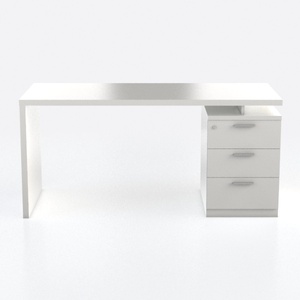
Lufeiya White Desk with 4 Drawers - 47 inch Gaming

POLY & BARK Poole Lounge Chair in Distressed Green
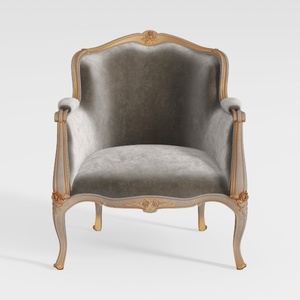

TREATLIFE HOME Enhance Comfort with Formal Luxury
Homestyler is your go-to online home design platform that makes interior decorating a breeze. With its user-friendly design tool, stunning 3D renderings, diverse design projects, and helpful DIY video tutorials, transforming your space has never been easier. Unleash your creativity today!
Design Now for FREE
































