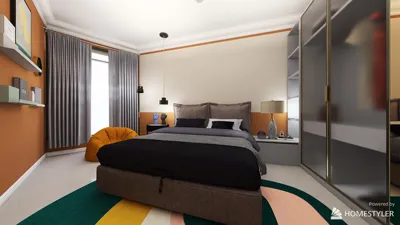


Wood wall paneling can transform any space by introducing warmth, texture, and a striking visual flow, and it’s more accessible than many realize. When executed properly, a beautifully paneled feature wall can serve as a focal point in a living room, provide a sense of enclosure in a bedroom, or add a professional touch to a home office, all while ensuring acoustic comfort and manageable upkeep. In my recent projects, I've observed how wood panels can diminish unwanted echoes and create a soothing backdrop that enhances the feeling of intimacy within a room, complemented by design tools like Homestyler.
Aesthetics and functionality go hand in hand. Research from Steelcase indicates that excessive noise is a significant source of stress in work environments, while effective acoustic management is linked to better concentration and job satisfaction. The WELL v2 concepts on light and comfort highlight that quality settings must consider glare, light balance, and sound. I typically aim for an ambient light level of 300–500 lux on paneled walls to maintain the integrity of wood grain while preventing glare from shiny surfaces. Additionally, studies by Verywell Mind show that warm tones evoke feelings of comfort and coziness, which is crucial when selecting wood stains and veneer colors. For more intricate findings on workspace efficiency, the Steelcase research library remains an excellent resource.
Before you start cutting wood, it’s essential to think about ratios, ergonomics, and workflow dynamics. Implementing vertical battens can trick the eye into perceiving lower ceilings as taller, while horizontal boards can expand the appearance of narrow rooms due to their strong linear effect. I often recommend maintaining a pattern ratio of 1:2 or 1:3 (panel width to gap) to ensure visibility from average viewing distances of about 1.5 to 3 meters. If you're planning furniture placement around a striking feature wall, utilizing a room layout tool like Homestyler can help you visualize various angles and movement pathways effectively.
Plan the Design: Dimensions, Rhythm, and Proportions
Begin by identifying the focal purpose of the wall: whether it's to frame a television or artwork, to highlight a headboard, or to provide sound absorption behind a workspace. Accurately measure the total width and height of the wall, noting the position of existing fixtures like outlets, switches, and vents. Decide on the orientation of the boards: vertical to create an illusion of height, horizontal to enhance width, or diagonal for an energetic look. A 1:2 spacing (for example, 40 mm wide battens with a 20 mm gap) balances clarity and forgiveness across most wall types. Always consider the sightlines from primary seating positions to ensure that key pattern lines align with the center of furniture elements.
Material Choice: Solid Wood vs. Engineered Panels
Choosing solid hardwood (like oak, ash, or walnut) offers richness and repair potential, yet it can fluctuate with moisture levels; engineered options such as plywood or MDF with wood veneer are more dimensionally stable and budget-friendly. For eco-conscious projects, seek out FSC-certified materials and low-VOC finishes. If acoustic enhancement is essential, look into slatted panels that feature felt backing or perforated MDF, which can absorb mid-range frequencies effectively. In home offices, medium-toned woods tend to reduce eye strain compared to darker, glossy finishes that may increase glare.
Light and Color: Harmonizing Grain and Space
Lighting is crucial for achieving the right ambiance. Aim for 300–500 lux on the wall using warm-white lamps with color temperatures between 2700-3500K, ensuring that the wood retains its natural warmth and does not appear washed out. Employ asymmetric wall washers or angled track lighting to create gentle gradients and avoid overly bright spots. Color psychology supports the use of warm browns and honey hues for cozy environments, while cooler grays from ash or driftwood finishes are ideal for modern, minimalist spaces. Always test stain samples under the actual site lighting, as daylight exposure affects color temperature throughout the day.
Preparation of Layout and Substrate
Check the flatness of the wall using a straightedge; if necessary, shim furring strips to achieve a proper plane. For panel arrangements, mark chalk lines for guidance, establish a level reference line at eye level, and work symmetrically whenever possible. If the wall will accommodate storage or a TV mount, ensure to reinforce attachment points with plywood situated behind the drywall. Pre-prime and paint the substrate a dark color if gaps are visible; this enhances the perceived depth and conceals minor misalignments.
Tools and Hardware Requirements
Prepare with a miter saw, track saw, or circular saw equipped with a guide, a brad nailer, level, stud finder, chalk line, clamps, and personal protective equipment (PPE). For concealed fastening, utilize tongue-and-groove clips or adhesive with a mechanical buffer; for battens, secure with 18-gauge brads spaced 200–250 mm apart into studs or blocking. Where panels intersect, scribe to the wall and ceiling to eliminate uneven gaps, using flexible scribing blocks or compass tools to expedite this task.
Step-by-Step Installation with Ergonomic Considerations
1) Perform a dry fit of the initial course and check levels. 2) Establish the central axis at the most noticeable line, typically aligning it with the wall center or a vertical line parallel to a doorway. 3) Affix panels starting from the center outward to minimize cumulative errors. 4) Maintain expansion gaps (usually 3–5 mm) around the perimeter for solid wood. 5) Position work at shoulder height in front of your torso to minimize strain; adjust your position instead of reaching excessively. 6) Pre-drill for outlets and switch plates, using trim rings for a polished finish.
Acoustic Comfort and Behavior Patterns
While wood reflects mid to high frequencies, combining it with soft backing or upholstered elements can manage flutter echo effectively. In a recent den project, we transitioned from bare slats to felt-backed panels to significantly diminish room reverberation, enhancing comfort during conversations. It’s important to balance sound absorption with diffusion: alternating widths of slats or employing shallow relief designs can disrupt reflections without making the room feel too quiet.
Finishing Touches: Sanding, Staining, and Sheen
Sand progressively (using grits of 120, 180, and then 220) and ensure to vacuum thoroughly between steps. Choose oil-based stains for deeper penetration or water-based options for reduced odor and quick drying times. The sheen level impacts glare and upkeep: satin is forgiving, semi-gloss emphasizes grain but may show fingerprints, and matte finishes soften reflections for a more tranquil effect. Apply two coats of low-VOC polyurethane or hardwax oil, lightly sanding between applications. Adding detail to edges, like small chamfers or eased corners, minimizes chipping and enhances tactile quality.
Maintenance and Longevity
Routine dusting and periodic cleaning with a damp microfiber cloth will help maintain the freshness of your panels. Avoid harsh cleaners; pH-neutral products work best to preserve the finish. Walls exposed to sunlight may require UV-resistant coatings. In case of dents, steam can rejuvenate small fibrous impressions on solid wood; for veneers, wax sticks can address minor imperfections. Consider future access to wiring or mounts by planning hidden blocking and keeping a minimal maintenance kit on hand in the same area.
Cost and Time Estimation
The materials for an average 12-14 ft feature wall can vary greatly in price; engineered slat systems might incur higher costs but can save time, whereas DIY batten-and-gap setups are more economical yet labor-intensive. Factor in expenses for finishes, fasteners, and lighting adjustments. Most weekend projects can be completed in 1-2 days with the help of two individuals, assuming all preparation is adequately handled. If you plan to arrange furniture around a new feature wall, utilizing an interior layout planner like Homestyler can validate clearances and focal points effectively.
Common Mistakes and How to Avoid Them
Hastily marking layout lines can lead to gradual misalignment—ensure to snap reference lines every few courses. Using overly bright, cool lighting can strip wood of its warmth; instead, keep the color temperature below 3500K. Not maintaining expansion gaps can result in buckling at the edges, while neglecting substrate paint may reveal light streaks through slat spaces. Moreover, leaving unsealed end-grain exposed to high humidity could lead to cupping, so aim to seal all surfaces as much as possible.
FAQ
Q1: What wood species are ideal for creating a DIY panel wall?
A1: Oak and ash are excellent for durability and visible grain, while walnut provides richness but at a higher price point. For stability and cost-effectiveness, consider veneered plywood or MDF, especially on larger walls.
Q2: How should I size battens and gaps for a balanced rhythm?
A2: A 1:2 ratio works well—experiment with 30-40 mm wide battens paired with 15-20 mm gaps. Ensure that the pattern is proportionate to the viewing distance; larger spaces can accommodate wider designs without creating a cluttered appearance.
Q3: Does paneling contribute to noise reduction?
A3: While solid wood reflects sound, incorporating slats over felt or panels with cavities can enhance sound absorption in mid frequencies—this effectively diminishes distractions in environments, as highlighted by Steelcase research that considers noise a critical issue in productivity.
Q4: What lighting arrangement best complements wood grain?
A4: Aim for an illumination level of 300–500 lux on the wall using warm-white lamps from 2700–3500K. Utilize wall washers or angled track heads for gentle, even lighting that avoids glare.
Q5: Is it possible to install over imperfect drywall?
A5: Absolutely. Shim furring strips to create a flat surface, or opt for thicker panels to cover minor irregularities. Painting the substrate a darker color is prudent if gaps are likely to be visible.
Q6: How should I handle outlets and switches?
A6: Strategize during your planning phase—map their locations, pre-drill or cut openings accordingly, and finish with trim rings or escutcheons for a neat look. Reinforce spots supporting significant weight with hidden plywood behind the surface layer.
Q7: What finish is easiest to care for?
A7: Satin polyurethane or hardwax oil strikes a balance between durability and low glare. Matte finishes appear calming but may show wear soon, while semi-gloss highlights the grain but is prone to fingerprints.
Q8: How do seasonal humidity fluctuations affect the panels?
A8: Solid wood reacts to changes in humidity; thus, maintaining 3-5 mm gaps around the perimeter is crucial, and sealing all surfaces is advised. Engineered panels reduce movement and offer stability in varied climates.
Q9: How can I incorporate storage or a TV into the panel wall design?
A9: Plan for structural blocking behind the finishing layer, center your datum line for balance, and provide clear ventilation for electronic devices. Ensure panels are contoured for snug fits at the edges.
Q10: Is a diagonal or chevron design more challenging to install?
A10: Slightly—it requires more angled cuts and precise layout. However, the result is a visually engaging design that enlivens living spaces; accuracy in measurement and dry fitting often will yield the best outcomes.
Discover your creative side with Homestyler! This intuitive online home design platform offers an easy-to-use design tool, stunning 3D renderings, and a wealth of inspiring design projects. Plus, with DIY video tutorials, transforming your space has never been more accessible or enjoyable!
Zaprojektuj teraz za darmo
































