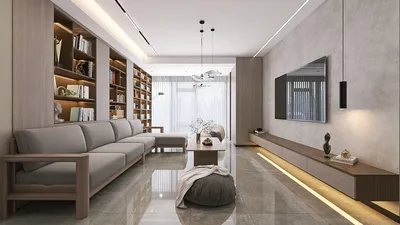


I am drawn to wallpapers that serve a purpose beyond mere decoration; they help to manipulate light, enhance proportions, absorb sound, and create a specific ambiance. In smaller spaces or rental apartments, selecting the right pattern can visually expand rooms, brighten dim corners, and infuse personality without major renovations. In my recent interior design endeavors, I have observed clients significantly appreciating not only the patterns but also the transformative impact wallpaper has on how spaces feel for work, relaxation, and social interaction once applied.
Two guiding principles influence my fundamental choices. Firstly, color plays a crucial role in altering the perceived temperature and stimulating emotional responses; cool tones tend to soothe, while warm tones invigorate. This concept is well-supported by color psychology studies indicating that blue-green shades typically lead to lower stress levels in indoor environments (refer to Verywell Mind’s overview of color psychology for useful insights). Secondly, managing brightness and glare is essential to ensure comfort; the Illuminating Engineering Society suggests maintaining well-balanced luminance ratios and appropriate reflectance to prevent visual fatigue in living or working areas, which calls for aligning wallpaper finishes with desired illumination levels as an effective yet subtle measure (IES standards can serve as a reliable guide for these benchmarks).
Establish the Purpose: Calm, Focus, or Social Vibe
I begin by identifying the central activity intended for the space—whether it is for relaxation, concentration, or socializing—then sort wallpaper selections by color, scale, and surface finish. For areas designated for unwinding (like bedrooms or cozy reading corners), I choose muted cool tones (such as sage, mist, or soft blue) on fine-textured surfaces to reduce visual distractions and create a serene atmosphere. Workspaces thrive with gentle contrasts and mid-tone colors that maintain legibility without reflective glare. Spaces intended for social interactions can incorporate slightly bolder colors and rhythmic patterns, which invigorate the environment without leading to visual chaos.
Proportion and Scale: Utilize Patterns to Enhance the Space
The scale of the pattern can redefine a room’s architecture. Tiny prints around the room can make smaller spaces feel cozier; I typically reserve them for powder rooms or as focal points on single walls. Medium-sized patterns evenly distribute visual rhythm in common living areas. In rooms with high ceilings, using horizontal textured patterns brings the ceiling down visually; conversely, for lower ceilings, vertical lines or botanical designs create an impression of greater height. When planning furniture layouts or traffic flow, sketch out your design and experiment with pattern sizes using a layout visualization tool—consider using the room layout planner from Homestyler to visualize arrangements and perspectives from pivotal viewpoints.
Light Quality, Sheen, and Glare: Align Finish with Lighting
Lighting is critical to the effectiveness of wallpaper. Under warm lighting (2700–3000K), warm-toned wallpapers become more vibrant while cool tones may lose clarity; under neutral white light (3500–4000K), colors appear truer. I avoid glossy finishes near windows or task lighting to prevent unwanted glare. For living spaces designed to maintain a soft ambient light of around 200–300 lux, with additional task lighting, I opt for matte or eggshell finishes to diffuse light effectively, softening shadows. Discreet metallic inks are best on accent walls that receive indirect light rather than direct exposure.
Color Psychology: Subtle Assurance vs. Bold Statements
Colors influence behaviors significantly. Shades of blue and green encourage tranquility and concentration, making them effective choices for areas behind desks or headboards; earthy tones like terracotta and soft ochre foster warmth and a welcoming atmosphere in dining spaces. Intense reds and neon colors should be avoided in environments meant for prolonged use, as they may heighten arousal and fatigue. For depth without heaviness, select analogous color schemes—such as olive paired with moss, or charcoal with slate—while layering textures to add dimension rather than increasing color intensity.
Adding Texture for Warmth, Depth, and Sound Absorption
Texture introduces subtle shadows and tactile warmth. Materials like grasscloth, linen weaves, cork, and embossed vinyl help dampen sound and reduce echoes, particularly in sparsely decorated rooms. In open-plan living areas, I apply a textured mid-tone wallpaper on the TV wall to absorb sound reflections and enhance speech clarity. For families, durable washable vinyls with a woven appearance provide a perfect balance of aesthetics and practicality.
Accent Wall vs. Full Coverage?
Accent walls work best when the architecture forms a natural frame—like a fireplace backdrop, a bed wall with flanking lights, or a dining nook. Full wraps are more suitable for low-contrast, finer patterns that envelop the space without being overwhelming. In rooms with intricate trims or several doorways, a subtle full wrap offers coherence. In small rooms, utilizing a gentle vertical pattern can make the height feel amplified; in long, narrow spaces, applying a single cohesive tone can reduce that elongated corridor effect.
Compact Areas, Significant Influence
For guest bathrooms and entryways, I prefer bold designs as the brief presence allows for stronger visual statements. In smaller bedrooms, I keep contrast minimal—opting for soft, tone-on-tone botanicals or delicate geometric patterns—to create a soothing atmosphere. Utilizing mirrors on closet doors or intelligently placed glass can expand the sense of space and lighten the room, all without adding clutter.
Ceiling and Half-Wall Treatments
Applying wallpaper to ceilings can be transformative, especially in spaces lacking architectural interest. Patterns like starry skies, soft marbling, or fine stripes overhead provide intimacy without heavy wall coverage. In spaces needing resilient finishes below (such as mudrooms or children’s areas), I recommend combining wainscoting or washable paint up to chair-rail height, positioning wallpaper above. The ideal height for chair rails usually falls between 36–42 inches, with adjustments made to line up with window sills for a harmonious look.
Focus and Ergonomics at Eye Level
Position the most impactful motif at eye level: behind sofas rather than across from screens, or behind headboards instead of on walls that face while dozing off. High-contrast designs may cause visual discomfort in peripheral vision—ideally, keep them out of focus areas for desks and monitors. In workspaces, mid-tone wallpapers help to reduce contrast with screens, decreasing visual strain during extended usage.
Durability, Maintenance, and Health-Conscious Materials
Areas like entryways, kid's rooms, and kitchens require wallpapers that are washable or scrubbable; vinyl or acrylic-coated papers are excellent choices. Natural grasscloth appears beautiful but can show stains and seams easily; it’s best used in low-traffic living spaces. It's important to inquire about VOC levels and to opt for low-emission adhesives; adhering to indoor air quality standards aligns with best practices in wellness frameworks such as WELL v2 guidance on materials and their emissions.
Sustainability and Lifecycle Awareness
Whenever possible, choose wallpapers made from FSC-certified materials, utilizing water-based inks and recycled content. Removable, non-PVC options facilitate easier updates during decor changes, particularly in rental situations. If your decorating style changes frequently, aim for timeless textures and swap out accents seasonally instead of replacing bold patterns annually.
Preparation is Key to Installation Success
Ensure walls are clean, smooth, and properly primed. I typically fill and sand to achieve at least a Level 4 finish for non-textured papers; for delicate papers or metallics, a smoother surface can prevent visibility of imperfections. Matching patterns—whether drop or straight—affects waste; ordering an extra 10–20% is advisable, particularly for larger repeats. In humid areas, use suitable adhesives and consider lining paper to account for expansion.
Quick Solutions for Renters
Peel-and-stick wallpapers have greatly evolved; the key is selecting thicker films with micro-embossing that can cover small wall flaws. Use these on furniture pieces like wardrobes, backs of bookcases, and ceiling cove areas to test palettes before making a longer-term decision. Pair with removable trim decals or framed fabric panels for added depth and character.
My List of Effective Strategies to Consider
- Soft vertical pinstripes in bedrooms to create an impression of height and tranquility.
- Textured mid-tone wallpaper behind media centers to enhance contrast perception and manage reflections effectively.
- A botanical or mural-scale print in dining areas to provide a focal anchor for seating arrangements.
- Linen-inspired neutrals for open-concept areas, allowing the furniture to bring in pops of color.
- A subtle geometric pattern in home office spaces to encourage focus without overwhelming visual stimuli.
Carefully Planned Layouts Enhance Aesthetic Cohesion
Wallpaper should be integrated within a broader system—considering lighting placement, art positioning, and furniture arrangement to ensure patterns align with sightlines. Prior to making irreversible decisions, I plot wall elevations and key furnishings in a room design visualization tool to preview where seams appear and how repeats interact with headboards, mirrors, and shelving. Using an interior design planner such as Homestyler’s room layout tool can help avoid awkward cuts at corners and near doorways.
Research for Informed Design Choices
In exploring the impact of color on mood, I frequently refer back to the concise summaries provided in Verywell Mind’s resources on color psychology. For visual comfort guidelines and balance of luminance, I follow the advice laid out by the IES to optimize finishes and reflectivity to match with ambient light goals.
Frequently Asked Questions
Q1: Which colors for wallpaper promote relaxation in bedrooms?
A: Soft, muted colors—like sage, pale blue, and subtle gray-green—foster tranquility and sleep readiness. Maintaining low contrast and opting for matte or eggshell finishes helps avoid glare that can be disruptive at bedtime.
Q2: How can I choose the appropriate pattern scale for a small room?
A: For complete coverage, select medium or low-contrast petite repeats, or feature a bold, medium-scale design on a single wall. Extremely tiny high-contrast patterns can become overwhelming in closely viewed spaces.
Q3: Does textured wallpaper contribute to sound absorption?
A: While it doesn't replace acoustic panels, materials like grasscloth, cork, and woven vinyls provide some sound absorption and help scatter sound reflections, which enhances comfort in echo-prone areas with hard surfaces.
Q4: What finish should I select if my room has bright lighting?
A: Matte or eggshell finishes reduce glare under bright illumination or near windows. Use metallic or high-gloss finishes for walls that receive soft, indirect light instead.
Q5: Is peel-and-stick wallpaper a viable option for those renting?
A: Absolutely—opt for thicker, repositionable options with a subtle emboss that can cover slight wall unevenness. Test a small area for adhesion and avoid heavy textures on notably uneven walls.
Q6: What is the recommended additional amount of wallpaper to order?
A: Generally, it’s advisable to order 10–20% more than your calculated need. Increase the overage for larger patterns, diagonal cuts, or intricate rooms with numerous openings.
Q7: Can wallpaper be applied in kitchens or bathrooms?
A: Yes, provided that scrubbable or vinyl-coated papers are used where they won’t face direct water exposure. Adequate primer, adhesive selection, and ventilation are crucial, and a lining paper can help stabilize these areas in humid environments.
Q8: How do I harmonize wallpaper with existing furniture?
A: Choose one secondary color from fabrics or rugs, and implement it in a subtly contrasting wallpaper. If your furniture features bold designs, balance the space with a textured neutral wallpaper to anchor the overall aesthetic.
Q9: What strategies prevent visible seams in wallpaper?
A: Begin from the least visible corner, ensuring each drop is plumb, and plan seam placements away from areas with high glare. Utilizing smoother substrates and heavier paper can also help obscure seams more effectively.
Q10: How does wallpaper influence perceived room size?
A: Vertical patterns create an impression of increased height; horizontal textures widen the space; and low-contrast, full-wrapping designs visually diminish edges, making smaller rooms appear larger and more serene.
Q11: Are there health considerations associated with wallpaper and adhesives?
A: Look for low-VOC adhesives and substrates with low emissions. Proper ventilation during installation and the curing process is especially important in bedrooms and spaces for young children.
Q12: What current trends align with a simple, timeless appearance?
A: Textural neutrals, subtle botanical designs, and fine pinstripes are on-trend. These styles resonate with 2024–2025 trends that highlight tactile, nature-inspired surfaces and restrained color palettes adaptable across various seasons.

Round Coffee Table, 35.5-Inch Modern Engineered
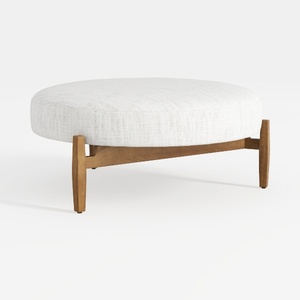

Minimalist Mid Century Fabric Round Ottoman 3D Model
Minimalist White Ceramic Stacked Coffee Mug 3D Model
Discover your home's potential with Homestyler! This user-friendly online design platform offers a powerful design tool, stunning 3D renderings, and an array of inspiring design projects and DIY video tutorials. Transform your space effortlessly and unleash your creativity today!
Diseño ahora GRATIS
































