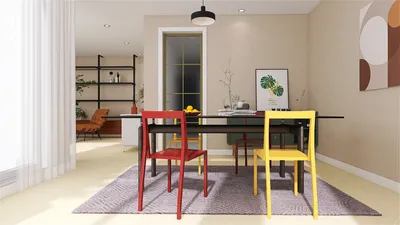


I can hardly keep track of the number of bland walls I've transformed into eye-catching features with just a bit of trim work. If you're after a polished aesthetic for your living space or aiming to create defined lines in a hallway, applying wall trim molding stands out as one of the most effective, clean upgrades that can be accomplished over a weekend. When executed correctly, it introduces depth, harmony, and an element of architectural sophistication without needing to disrupt the existing structure.
Even the best design choices require some guidelines. Factors such as proportion, lighting, and visual elevation hold more weight than your miter saw might suggest. In various workplace and hospitality projects I've undertaken, areas characterized by strong visual order tend to yield better feedback in terms of user satisfaction and perceived quality. Research by Gensler has demonstrated a correlation between well-organized environments and enhanced experiences and performance metrics; this concept translates seamlessly into your home when you integrate clear grids and frames to direct the eye. Additionally, color significantly influences ambiance: as highlighted in Verywell Mind’s overview on color psychology, shades of blue and green often evoke a sense of calm and focus, while warmer hues can invigorate a room. Such insights are valuable for making decisions on whether to finish your trim in a matching tone or a contrasting shade for added emphasis. For broader design well-being, references from WELL v2 also highlight the importance of glare reduction and balanced lighting—a crucial consideration as new trim casts deeper shadows.
Establish Your Design Intent First
Prior to picking up any tools, clarify the atmosphere and visual hierarchy you aim to achieve. Do you want to make a low ceiling appear higher, add sophistication to your dining area, or delineate a headboard space without investing in built-ins? Having a defined purpose ensures consistency in your choices—from the width of the stile to the gloss level of your paint. I often sketch out three possibilities: a traditional picture-frame grid for balance, a vertical board-and-batten for height, or a modern thin-rail layout for subtle texture. For a full room arrangement, employing a straightforward interior layout planner can assist in visualizing furniture, art, and trim flow in relation to door and window placements. Consider using a room layout tool for simulating space and alignment prior to making any purchases.
Select the Appropriate Trim Profile and Material
For the majority of homes, primed MDF offers a forgiving, stable, and cost-effective solution for interior wall molding. It paints beautifully and features sharp edges—ideal for creating picture-frame designs or chair rails. Solid wood, although more durable in damp areas and capable of accepting stains, is influenced by humidity and may necessitate additional preparation. The profiles I tend to prioritize include: 1/2 to 3/4 inch thick flat stock for battens and rails; 1 to 1.25 inch wide square or eased-edge casings for frames; and a 3 to 4 inch chair rail to support a wainscot. Consistent reveals are key: narrower profiles convey a contemporary feel; denser builds evoke tradition.
Proportion: The 3–5–8 Rule of Visual Balance
When in doubt, rely on ratios for balance. I frequently adopt a 3–5–8 spacing rhythm—using smaller spacings (3) for narrow hallways, medium (5) for regular living rooms, and wider (8) for expansive walls. In crafting picture-frame molding, strive for a uniform perimeter reveal: maintaining 3 to 4 inches from corners, baseboards, and crowns ensures an aesthetically pleasing floating effect for frames. Vertical panels should ideally be taller than their width; a common target ratio is 1:1.6 (akin to the golden ratio) to avoid boxy appearances. Aligning with window heads or door trims creates a more cohesive look.
Lighting, Shadows, and Paint Sheen
Trim serves not just as a decorative element, but to interact with light and cast shadows—so thoughtful lighting is essential. According to the Illuminating Engineering Society’s recommendations, residential areas typically require ambient lighting levels between 100 and 300 lux, with task zones needing brighter conditions. Combining soft ambient sources with wall washers or adjustable sconces helps mitigate harsh lighting contrasts across your trim. In spaces designated for reading or working, ensuring comfortable vertical illuminance makes those trim shadows feel intentional rather than distracting. For paint, eggshell to satin finishes on both walls and trim emphasize subtle dimensions; opt for matte if you're aiming for a more subdued, gallery-type appearance. A tone-on-tone color scheme promotes refinement while minimizing visual clutter; in contrast, high contrast (like white trim against dark walls) can provide drama but will highlight any caulk or miter imperfections.
Acoustics and Material Considerations
While trim alone won’t resolve acoustic issues, it can help break up expansive reflective surfaces and scatter sound slightly. In hallways with excess echo, supplementing with battens and soft furnishings can enhance your space. Opt for low-VOC primers and paints to safeguard indoor air quality. Remember to seal the cut edges of MDF; an additional coat of primer on factory-cut edges will ensure a smoother topcoat finish.
Tools and Prep: The Key to Successful Projects
Most trim projects can be accomplished with a miter saw, brad nailer, stud finder, level, tape measure, construction adhesive, quality caulk, wood filler, and sanding blocks. Walls are seldom completely flat, so using a long level and shims will be a game changer. I always create a level reference line and dry-fit the first frame to calibrate expectations. Priming and pre-painting lengthy sections before installation speeds up the finishing process and helps prevent lap marks.
Steps for Laying Out Picture-Frame Molding
1) Identify obstacles: mark electrical outlets, switches, returns, and door casings. 2) Set margins: define a consistent reveal from the baseboard or corners. 3) Size your frames: take the wall width minus the total margins, and then divide evenly to reach your target frame count. 4) Mark centers and vertical lines using light pencil or low-tack tape. 5) Dry-fit the lowest row first to ensure spacing is correct, then build upward. If the wall layout feels overwhelming, consider a room design visualization tool to work it out before any cutting begins.
Board-and-Batten: Emphasizing Height and Rhythm
For a three-part wall (base, field, cap), I prefer a finished height of 36 to 60 inches depending on the ceiling's height—approximately one-third to three-fifths of the wall's total height. Taller ceilings can accommodate a 54 to 60-inch wainscot; 8-foot ceilings typically suit heights around 36 to 44 inches best. Space battens 12 to 20 inches apart; tighter spacing tends to convey a more traditional feel, while wider spacing lean toward the contemporary. Finish the top with a simple ledge or a square rail for a tidy edge.
Modern Thin-Rail Grids
For those who prefer a more understated architectural style, consider using 1/2 inch square stock in large, uniform patterns. Minimalist profiles excel with direct lines and perfect caulking. Utilizing a laser level is crucial for long runs. This method pairs effectively with tone-on-tone painting and deliberate lighting; the end result is a texture you sense more than see.
Field Installation Tips
- Ensure stud presence and avoid nailing through plumbing or electrical lines. Where studs are absent, combine brad nails with construction adhesive.
- Coping inside corners is essential when using detailed moldings; for square stock, a clean 90° miter with a slight back-bevel will secure joints tightly.
- Slightly undercut longer pieces so that end pressure tightens the miters.
- Fill nail holes with lightweight spackle; use wood filler only where plans include sanding flush.
- Caulk gaps less than 1/8 inch with paintable acrylic latex; anything larger demands a bit of backer or a scribe for durability.
- Sand between each coat. Two topcoats yield a superior finish compared to one heavy layer.
Color Strategy and Psychology
Utilize color to shape behavior and mood. In family areas, muted greens and soft blues promote peaceful interactions; for a dining room, a deeper palette (such as charcoal or deep blue) paired with light trim can create an intimate, refined environment. Accent walls with high-contrast frames risk visual chaos—maintain consistency in the pattern or lean towards a tone-on-tone approach for sophistication. Verywell Mind’s insights on color psychology emphasize how cool colors foster relaxation, and warm colors can boost energy; your trim acts as a tool for intensifying or softening this effect.
Safety, Ergonomics, and Workflow
Establish a cutting station at a comfortable height to minimize back strain. Use appropriate eye and ear protection during cutting and nailing activities. Organize cables and hoses to avoid tripping hazards while handling long materials. I typically map my work sequence in a clockwise direction to prevent smearing fresh caulk and to maintain safe ladder positions.
Cost Estimation and Timeframe
Material prices differ based on profile choice and room size, but a standard 12x16-foot room featuring four to six picture-frame panels per wall can generally be completed using approximately 120 to 180 linear feet of trim. Don't forget to budget for primer, caulk, filler, and sandpaper—these minor expenses can substantially enhance the finished look. An attentive DIY enthusiast can accomplish both layout and installation in a single day, finishing painting the following day.
Common Mistakes and Quick Solutions
- Wavy walls: Scribe the back of the trim or tactfully use caulk; paint sheen can emphasize imperfections.
- Irregular spacing: Employ story sticks and a laser level; don't assume the floor is perfectly level.
- Noticeable joints: Stagger seams and position them above eye level; back-bevel miters to tighten joints.
- Excessive decor: Edit thoughtfully. A single chair rail or one row of frames may suffice to enhance your space’s architecture.
Sustainability Considerations
Purchase precisely what you need; reduce waste by standardizing sizes. Opt for low-VOC coatings, and ensure good ventilation. If you’re removing old trims, consider donating usable lengths to local build material exchanges. MDF with certified low formaldehyde content alongside waterborne paint can help minimize indoor emissions.
When to Hire a Professional
If your project involves stairs, curved walls, or complex profiles requiring advanced coping techniques, employing a finish carpenter can be a time-saver. For projects integrating lighting or electrical modifications, consult licensed professionals.
Frequently Asked Questions
Q1: What height is suitable for board-and-batten in an 8-foot room?
A1: Aim for a finished height between 36 and 44 inches. This proportion maintains visual height without making the room feel top-heavy.
Q2: How should I space picture-frame molding on a large wall?
A2: Maintain a 3 to 4 inch perimeter reveal and equally divide the leftover width into consistent modules. A height-to-width ratio of 1:1.6 for each frame ensures a balanced look on expansive walls.
Q3: Which is preferable for interior trim, MDF or wood?
A3: Primed MDF is stable, budget-friendly, and paints evenly. However, choose wood for moisture-prone areas or if staining is required.
Q4: Should trim match the wall color?
A4: A tone-on-tone appearance yields a sophisticated, modern finish and conceals minor imperfections. High contrast creates a bold look but demands more precise workmanship.
Q5: What type of paint sheen is ideal?
A5: Eggshell or satin for both walls and trim will highlight surface relief without emphasizing flaws. Matte finishes can soften shadows, offering a gallery-like ambiance.
Q6: How do I integrate outlets and switches into my design?
A6: Start by marking all outlets. You can either center frames over them, incorporate them into the design, or slightly adjust module widths to ensure plates fit comfortably within a single panel.
Q7: Can wall trim enhance acoustics?
A7: It will only slightly diffuse sound reflections. For noticeable improvements in echo and comfort, combine trim with textile elements like rugs and drapery.
Q8: What is the best lighting for wall molding?
A8: Layer ambient light (100 to 300 lux in typical living areas according to IES recommendations) with wall washers or dimmable sconces to enhance relief without introducing glare.
Q9: How can I maintain consistent spacing around the room?
A9: Utilize a laser level, story sticks, and a predetermined reveal from baseboards and corners. Dry-fit the first wall, then carry dimensions sequentially.
Q10: Is a nailer necessary, or can I use hand-nailing?
A10: A brad nailer expedites the process and minimizes surface damage, but careful hand-nailing with predrilled holes can work for smaller projects.
Q11: What should I do if my walls are not square?
A11: Test your miters with scrap material, add a back-bevel to secure tight joints, and scribe where required. Caulk will fill tiny gaps; larger discrepancies will need mechanical adjustments.
Q12: How long does it take to complete a typical room?
A12: For a medium-sized space, plan on one day for layout and installation, and a second day dedicated to filling, sanding, and applying two finish coats.
Homestyler's roots trace back to Autodesk, the global leader in design and engineering software. That heritage lives on in every feature we build. Today, with a community of more than 18 million users worldwide, Homestyler continues to make professional-quality interior design accessible to everyone — from first-time decorators to seasoned architects.

Minimalist Solid Wood Linen Fabric Three Seat Sofa 3D Model


Ombre Brass Cylindrical Side Table Minimalist 3D Model
Modern Minimalist Solid Wood Fluted Sideboard with Brass Accents 3D Model
Homestyler is your go-to online platform for home design! With its user-friendly design tool, stunning 3D renderings, diverse design projects, and helpful video tutorials, you can effortlessly create and visualize your dream space. Dive into the world of interior design today!
Design Now for FREE
































