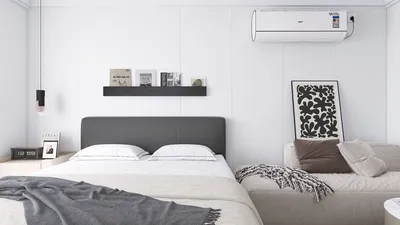


A simple textured wall can significantly change an ordinary room by adding depth, character, and enhancing the play of light. The way texture affects our perception of scale, warmth, and acoustic comfort is particularly important in small apartments or areas prone to echo. Beyond enhancing looks, a thoughtfully applied finish can soften sound and create a visual flow across surfaces.
The behavior of light is also influenced by texture. According to the Illuminating Engineering Society (IES), the recommended ambient light levels for living areas range from 100 to 300 lux, with task lighting reaching up to 500 lux. Rough textures scatter light more effectively, which helps minimize glare and reduce hot spots in brighter conditions. Furthermore, the WELL v2 standard emphasizes the importance of visual comfort and glare control—both can be enhanced by introducing micro-textures to walls that diffuse specular reflections. These guidelines ensure that DIY selections are based on both aesthetics and functional performance.
The interplay of color and texture is crucial for influencing mood. Research from Verywell Mind indicates that warm colors tend to create an energizing and welcoming atmosphere, while cooler shades promote tranquility. Combining matte, textured finishes with warm neutrals softens visual sharpness and fosters a balanced, cozy environment. In smaller spaces, using a lightly textured, low-sheen paint can help manage light reflection, making the boundaries feel gentle and the area more intimate.
Selecting the Ideal Texture for Your Space
When choosing texture, consider the room's atmosphere, size, and light direction. In a compact bedroom, I recommend soft, hand-troweled plaster or subtle limewash stippling, as these options create movement without overwhelming the space. For busy hallways, a medium orange peel or knockdown finish offers durability while obscuring minor wall flaws. In modern living rooms with light from one side, a gentle comb or linen effect adds directionality and shadow variations throughout the day. If you're organizing furniture and pathways around textured feature walls, a room layout tool like Homestyler can help you visualize sightlines and focal points before you begin your project.
DIY Techniques: From Subtle to Bold
• Roller stipple: Use a 3/4" nap roller combined with a thicker paint or texture compound. Apply in overlapping strokes, with the micro-peaks effectively diffusing light and concealing minor imperfections.
• Knockdown with compound: Roll on joint compound and flatten it with a wide drywall knife after it has partially set. This technique creates gently flattened areas for a clean and modern look.
• Hand-troweled plaster: Venetian or mineral plaster adds depth through numerous thin coats with burnishing, achieving a sophisticated matte-to-satin sheen without glare.
• Brushed limewash: This mineral-based option is applied in crisscross patterns, resulting in a cloud-like variation that is forgiving and breathable, making it perfect for historic or coastal settings.
• Fabric or burlap imprint: By pressing fabric onto a skim coat before it sets, you can create a linen-like texture, resulting in a refined tactile accent wall.
• Comb and drag: Use a notched trowel to create linear grooves, ideal for media walls where this linearity helps organize visual clutter.
Surface Preparation: A Crucial Step
Quality textures depend on having clean, flat surfaces. I sand to a 120–150 grit finish, patch any imperfections, and apply a bonding primer. In older homes, it's essential to test for lead paint on surfaces pre-dating 1978; if found, adopt lead-safe methods and refrain from aggressive sanding. Use tape for clean edges and protect floors, as texture splatter can be sneaky. For plaster or limewash, ensure walls are clear of dust and compatible in pH with mineral-based coatings.
Aligning Lighting, Color, and Ergonomics
Texture interacts closely with your lighting choices. Under 300–500 lux task lighting, heavy textures can create stark micro-shadows. Balancing with ambient, task, and wall grazing lighting flattens the finish beautifully. Warm LEDs in the range of 2700–3000K complement limewash and plaster nicely, while a color temperature of 3000–3500K can accentuate contemporary knockdown textures. It's best to avoid strong downlights directly aimed at textured walls; adjust your fixtures or use diffusers to minimize glare. In terms of color, soft beiges, mushrooms, or desaturated greens interact best with textured surfaces, as intense colors may appear blotchy. Ergonomically, ensure textures behind workstations are smooth enough to prevent visual fatigue, while using bolder textures on secondary walls or traffic areas.
Acoustic Advantages and Spatial Dynamics
Moderate texture somewhat disrupts sound reflections, helping to lessen flutter echo—beneficial in spaces with hard surfaces. While it won't substitute for acoustic panels, combining textured walls with rugs and upholstered furnishings can create a more pleasant acoustic environment. Psychologically, vertical or directional textures can suggest height or flow; I prefer to utilize subtle vertical comb textures to elevate low ceilings and horizontal strokes to widen narrow hallways. Maintaining a consistent visual rhythm requires repeating texture across sightlines, so the eye remains smoothly engaged.
Material and Sustainability Considerations
Mineral plasters and limewash are breathable and low-VOC materials, making them ideal for preserving indoor air quality. When it comes to joint compound textures, opt for low-dust formulations and low-VOC primers and paints. Incorporating natural aggregates like fine sand can provide body without synthetic additives. Before fully committing, test materials by ordering small quantities and create sample boards, as the same texture can appear differently on various substrates and under varying lighting conditions.
Execution: Timing, Tools, and Techniques
Work in manageable segments. Keep tools clean, as residue on a trowel can transfer into the finished surface. Regulate drying conditions; a slightly humid atmosphere can extend the working time and prevent edge marks. With the knockdown technique, closely monitor the set time—too soon creates smears, too late leads to chips. For limewash, apply thin coats and allow each to dry completely to avoid patchiness. I find it helpful to step back every 10–15 minutes under both ambient and task lighting to quickly identify any inconsistencies.
Finishing, Sealing, and Care
Certain textures may benefit from a matte sealer to enhance stain resistance, but testing is crucial to prevent unwanted sheen changes. Limewash can be naturally left or secured with breathable sealers. For plaster, burnishing can enhance hardness and sheen, though it's wise to use this sparingly in residential settings to prevent glare. Cleaning textured walls is best done with soft brushes or microfibre cloths, avoiding aggressive scrubbing that can flatten peaks or distort matte finishes.
Arranging Layout Around Feature Walls
Texture influences focal hierarchy significantly. I position textured feature walls opposite natural light sources or as backgrounds for key furniture pieces—like sofas, headboards, or consoles. Select simple, slim frames for artwork to avoid competition with the wall’s surface. If the room design is uncertain, employing an interior layout planner such as Homestyler can help simulate furniture placement, traffic flow, and viewing angles, making it easier to adjust the layout digitally rather than repainting a prominent wall later.
Common Pitfalls and Avoidance Strategies
• Overtexturing: Excessive texture in small spaces can feel cramped. Keep it subtle and specific to areas.
• Overlooking light: Always test appearance under both daylight and artificial lighting.
• Skipping samples: Always create a test panel (2'×2') to confirm both texture technique and color.
• Insufficient preparation: Unaddressed flaws will become more prominent post-application.
• Inconsistent rhythm: Random strokes or tool angles can appear disjointed; aim for uniform directionality and spacing.
Research Standards and Design References
For standards on illumination and glare control, I reference IES recommended practices and WELL v2 guidelines for ensuring visual comfort. For color and texture interplay, Verywell Mind's insights on color psychology serve as a practical guide. By adhering to these references, you can ensure that your DIY endeavors focus on comfort and performance rather than solely chasing trends.
Frequently Asked Questions
Q1: What textures work best in small spaces?
A1: Opt for light, subtle finishes—like soft knockdown, gentle roller stipple, or limewash. These options add visual depth without making the room feel smaller and help diffuse light to soften harsh shadows.
Q2: How does lighting level affect textured surfaces?
A2: At elevated illumination levels (300–500 lux), micro-shadows become more noticeable. Balance this with diffuse lighting and avoid glaring downlights that hit textured walls directly.
Q3: Can texture provide any acoustic benefits?
A3: To some extent. Textured surfaces can disrupt sound reflections and reduce flutter echo. For better results, combine textures with rugs, curtains, and upholstered elements.
Q4: What’s the simplest DIY option for beginners?
A4: Roller stipple or a gentle knockdown using joint compound are the most user-friendly. They are forgiving of errors, conceal flaws, and require minimal tools.
Q5: Will sealing change the overall appearance?
A5: It can. Matte sealers might deepen color or modify sheen. Always test on a sample board under the lighting of your space before making a final decision.
Q6: How do I pick paint or plaster colors for textured walls?
A6: Opt for low-chroma, warm neutrals or desaturated greens and blues, as vibrant shades can appear blotchy over textured surfaces. Evaluate samples in both daylight and artificial light.
Q7: Is limewash suitable for use in bathrooms?
A7: Yes, it is breathable but requires a compatible primer and possibly a breathable sealer in humid areas. Make sure to avoid direct splash zones unless well-protected.
Q8: How do I arrange furniture around a textured feature wall?
A8: Position major pieces like sofas, beds, and consoles adjacent to or facing the textured wall to anchor the space effectively. Use a digital layout tool to evaluate sightlines and traffic flows.
Q9: Is it possible to mix textures within a single room?
A9: Certainly, but limit it to one feature wall and incorporate subtle textures elsewhere. Maintain consistency in directionality and sheen levels to avoid creating visual chaos.
Q10: What maintenance routine is recommended for textured surfaces?
A10: Use soft brushes for dusting, gently spot-clean with a damp cloth, and refrain from using abrasive pads. Limewash may need reapplication or plaster touch-ups periodically to keep the finish looking fresh.
Looking to transform your home? Homestyler is your go-to online platform! With an intuitive design tool, stunning 3D renderings, and a wealth of inspiring design projects and video tutorials, you can easily create and visualize your dream space. Start designing today!
Design Now for FREE
































