

For over a decade, I've been installing slat wall panels in various settings such as homes, studios, and small offices, and they continue to be one of the most adaptable enhancements for improving texture, acoustics, and storage options. When executed correctly, slats create a strong vertical rhythm that subtly enhances the perceived height of a space while effectively managing echo without compromising a sleek, modern aesthetic. Studies in workplace environments show that acoustic comfort is a major contributor to user satisfaction. For instance, Steelcase reports that noise distractions are a primary factor affecting concentration, with 49% of employees indicating noise as a challenge in open layouts. Well-designed slat walls, particularly when used in conjunction with acoustic backers, can significantly improve sound dynamics.
The importance of lighting cannot be overstated. The Illuminating Engineering Society suggests maintaining typical residential ambient light levels between 100–300 lux, and task lighting should be set at 300–500 lux. Also, glare control and uniformity are crucial in compact spaces. When slats interact with light, they can create captivating shadow effects; however, poor design can lead to stark contrasts. My goal is to create a cohesive lighting scheme that includes diffuse ambient light, a gentle wash across the slats, and accent lighting set to approximately 2700–3000K for warm woods or 3500–4000K for cooler laminates. The WELL v2 guidelines also stress the importance of visual comfort and glare reduction in creating healthy indoor environments, further supporting the need for careful photometric planning. In-depth design research from Gensler consistently connects controllable environments with enhanced performance.
Design Intent: Exploring Rhythm, Proportion, and Color Psychology
Slat walls introduce a visual cadence that can create the illusion of higher ceilings and sharpen overall composition. I typically choose slat widths of 1 to 2 inches with uniform gaps of 1/2 to 3/4 inch. Wider slats convey a calm aesthetic, while narrower spacing leans towards a more contemporary look. Regarding color psychology, warm mid-tone woods such as oak and walnut exude comfort and hospitality, while cooler gray-stained ash offers a minimalist touch. According to Verywell Mind's color psychology resources, warmer tones evoke feelings of invitation and energy, making them suitable for living areas, whereas cooler shades enhance focus and tranquility, ideal for creative spaces.
Material Choices: Exploring Real Wood, Veneer, Composite, and Acoustic Backers
Selecting the right materials impacts durability, sustainability, and sound performance. Solid hardwood slats are timeless and can be repaired if needed; veneers applied to MDF provide a consistent grain at a lower cost; while melamine-finished composites remain stable in humid conditions and are easy to maintain. When echo reduction is a priority, attaching slats to a black acoustic felt or mineral wool panel helps absorb mid to high-frequency sounds. Avoid glossy finishes in brightly lit rooms to minimize glare; a matte or satin finish will keep the wood looking refined while also reducing visual distractions. Whenever possible, sourcing FSC-certified woods or opting for formaldehyde-free MDF can lead to improved indoor air quality.
Planning Your Layout: From Wall Preparation to Visual Harmony
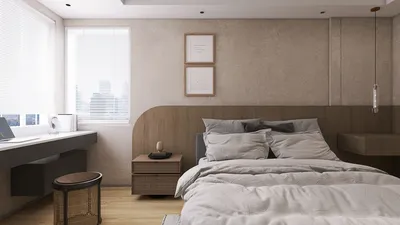
Proper substrate preparation is essential: fill and sand, apply a primer in a neutral shade (charcoal is often best for open gaps), and level your lines. Identify the location of studs and design your hidden fasteners accordingly. For living areas, I usually position the slat arrangement at the center of the main focal point (like a fireplace or media console), allowing it to taper towards the corners to avoid abrupt ends. In compact bedrooms, a slat band at headboard height can anchor the bed wall without dominating the space. If you're experimenting with proportions or furniture layouts, utilizing a room layout tool can help you visualize spacing and sightlines before finalizing your design: room layout tool.
Detailed DIY Construction Steps
1) Measure and create a mockup: Tape out the intended slat widths and gaps to verify their rhythm under both daylight and nighttime conditions.
2) Install the backer (recommended): Incorporate acoustic felt or painted MDF backer, ensuring it is plumb and securely attached to the studs.
3) Rip or purchase the slats: If cutting from plywood or hardwood, use a high-tooth blade for a clean cut; finish by sanding to 180–220 grit.
4) Finish prior to installation: Stain or seal the slats before mounting to ensure consistent coverage. Test the color under your intended light conditions to prevent surprises.
5) Mount rails or spacers: A simple jig can help maintain uniform gaps. Use hidden nails or screws through the shadow line of the slats to keep the aesthetics clean.
6) Coordinate electrical elements: If incorporating LED strips or sconces, lay out wiring before slat installation. Choose low-glare diffusers and dimmable drivers for best results.
7) Ensure final alignment: Check plumb every 3–4 slats, making micro-adjustments with shims to maintain a consistent vertical line.
8) Finish the edges: Complete your project with a neat stop bead or miter return at corners to prevent exposed end grain.
Lighting Strategy: Layered, Low-Glare, and Scene-Based
Slats respond beautifully to angled light, but ensure that the beam is gentle. Wall-washers featuring asymmetrical optics can highlight textures without creating hotspots. Maintain comfortable luminance ratios; IES guidelines recommend balanced contrast levels to avoid eye strain. For living spaces, I typically establish three lighting scenes: warm ambient light at around 150–200 lux, a subtle wash across the slats, and a task layer as needed. In studios, I increase ambient levels to 300–400 lux while ensuring a CRI above 90 to retain material fidelity. Dim-to-warm light strips can add a soft glow in the evening, enhancing the character of the slats.
Acoustic Comfort: Exploring Gaps, Depth, and Absorption
Open gaps promote sound diffusion, and the absorptive backer positioned behind them mitigates reverberation. Depth is crucial: slats projecting 1 to 1.5 inches enhance sound scattering within speech frequencies. For home offices, I pair slat walls with a plush area rug and fabric panels opposite the slats to create a balanced sound decay. Research from Steelcase indicates that effectively minimizing consistent noise and reverberation can enhance cognitive function—a detail worth considering, even in smaller spaces.
Human Factors and Ergonomics in Design
It's essential to consider how individuals will move and interact with the wall. In tight hallways, narrower gaps and rounded edges can help prevent snags. For media walls, ensure that there's cable access and appropriate ventilation behind the slats. Incorporate hooks or shelves using hidden structural rails to maintain a tidy appearance while providing adequate load support. Ergonomically, position frequently used items between 32–48 inches above the finished floor, avoiding protrusions that may obstruct movement.
Sustainability and Maintenance Considerations
Opt for durable finishes that resist discoloration and fingerprints over time. Waterborne polyurethane or hardwax oils make refreshing easy. If frequent updates are anticipated, design the slats as detachable modules. When sourcing materials, look for responsibly managed forests, reuse offcuts for trim, and select low-VOC adhesives. Regular cleaning with a soft brush is advisable, and for spot cleaning, use a mild, pH-neutral solution while steering clear of glossy polishes.
Common Pitfalls to Avoid
- Irregular gaps: Utilizing a jig is essential.
- Shiny finishes under strong overhead lights: instant glare problems.
- Neglecting stud layout: this can lead to weak fastening and unbalanced alignment.
- Lack of a backer: this creates visual clutter through gaps and poor acoustic performance.
- Harsh beam angles: resulting in uneven highlights and eye fatigue.
- Overlooking edge details: visible end grain creates an unfinished look.
Budgeting and Time Commitment
A typical homeowner-grade installation for a 10 to 12-foot feature wall generally takes 1 to 2 weekends, assuming you have basic tools. Costs can vary significantly based on wood species and finish selected. Veneered MDF slats can provide a luxurious appearance while minimizing material expenses; conversely, solid hardwood can increase both cost and durability. Always add an extra 10–15% to your material order to account for cutting tolerances and defects.
Style Variations to Experiment With
- Deep walnut slats with a warm 2700K wall wash for a cozy atmosphere.
- Bleached oak paired with 3500K ambient lighting for a Scandinavian aesthetic.
- Painted slats in dark charcoal accompanied by brass accents for an upscale feel.
- Combination of widths (1" and 2") to create a personalized rhythmic design.
- Horizontal slats in low-ceiling areas to visually expand the space.
FAQ
Q1: Do slat walls truly enhance acoustics?
A1: Absolutely—when used alongside an absorptive backer, slats help diffuse sound reflections and minimize reverberation. This not only improves clarity of speech but also reduces auditory fatigue, correlating with research showing that acoustic comfort significantly affects focus and satisfaction in work settings.
Q2: What is the optimal spacing for slats?
A2: I generally opt for slats that are 1 to 2 inches wide with gaps of 1/2 to 3/4 inch. Wider gaps can create a lighter appearance while exposing more of the backer; narrower spacing appears more refined and slightly improves absorption when combined with felt.
Q3: Which lighting is most effective for slat walls?
A3: Low-glare wall washers or diffused linear LEDs work best. Aim for an ambient light level of 150–300 lux in living areas and 300–500 lux for task spaces, according to IES standards. For warm woods, select color temperatures around 2700–3000K, while aiming for 3500–4000K for cooler materials.
Q4: Should I choose solid wood or veneer?
A4: Solid wood offers durability and is easy to refinish; however, veneer over MDF is often more budget-friendly and stable. When dealing with high-humidity environments, consider composites or well-sealed hardwood, steering clear of unfinished MDF edges.
Q5: Is it possible to attach shelves or hooks on slat walls?
A5: Yes, you can definitely mount shelves or hooks if you plan for structural rails or secure them to the studs. Just ensure that loads are kept moderate unless additional supports are utilized, and strive to align accessories neatly within the rhythm of the slats for a clean look.
Q6: How can I minimize glare and sharp shadows?
A6: Selecting matte or satin finishes, utilizing diffusers, and employing gentle beam angles can help. Ensure luminance ratios are balanced and avoid placing point-source downlights directly in front of the slats.
Q7: Which finishes are the easiest to maintain?
A7: Waterborne polyurethane or hardwax oil finishes are ideal. They are low in VOCs, repairable, and resistant to fingerprints. Routine cleaning should involve a soft brush and a pH-neutral detergent; steer clear of silicone-based polishes.
Q8: Can slat walls be effective in smaller rooms?
A8: Definitely! Utilizing a partial-height band or a single accent wall can add texture without constraining the area. Employing a vertical orientation can also elevate the perceived height of the room.
Q9: How do I plan the layout before execution?
A9: Tape out the rhythmic design and test it under various lighting conditions. For quick visualization of furniture placements and circulation, consider using an interior layout planner to ensure clearances and sightlines are validated: interior layout planner.
Q10: Are there sustainability aspects to consider?
A10: Yes, it's important to select FSC-certified woods, choose low-VOC finishes, and design your slats for disassembly to facilitate repairs or reuse. Utilizing offcuts for trim can also help minimize waste.
Modern Oak Top Gray Metal Frame Dining Table 3D Model


Minimalist Solid Wood Linen Fabric Extra Long Sofa 3D Model
Discover the creativity of home design with Homestyler! This user-friendly online platform features an intuitive design tool, stunning 3D renderings, and a wealth of inspiring DIY video tutorials. Transform your ideas into reality effortlessly and elevate your space today.
Concevez maintenant gratuitement
































