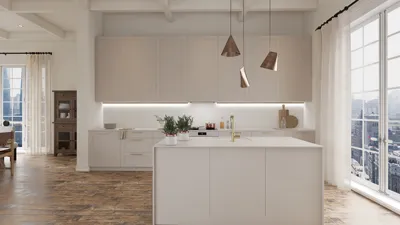


I have creatively framed, floated, and sculpted seashells in both beach houses and urban apartments, and the results are always enchanting: a soothing tactile centerpiece that softens rigid surfaces and introduces a sense of coastal tranquility indoors. Careful arrangement, illumination, and color harmony transform a straightforward DIY project into an intentional design element, rather than merely vacation souvenirs. In environments aimed at relaxation, textures inspired by nature and rhythmic motifs effectively alleviate visual tension.
Research supports this intuition. The WELL v2 Light concept underscores the importance of proper lighting and glare management to enhance visual comfort and uplifting moods, advocating for layered lighting and balanced brightness across visual fields. Findings from Gensler’s 2023 Research Institute reveal that access to natural surroundings and imagery ranks high in influencing workplace experiences, fostering perceived wellbeing and focus. I create seashell designs with these principles in mind—soft shapes, natural repetition, and diffused lighting can transform a space from hectic to harmonious.
The psychology of color adds further validation to a coastal color scheme. An overview by Verywell Mind classifies blues as calming and linked to stability, while sandy neutrals create a feeling of warmth and welcome. Combining cool whites and seagrass hues with the natural off-whites of shells helps keep a sense of visual warmth without appearing too cold.
Plan Your Composition
Before you begin adhering shells, sketching a layout is essential to avoid overcrowding and to preserve visual flow. I strive for a 60/30/10 ratio: 60% background area, 30% primary shell grouping, and 10% accents like pearls, sea glass, or micro shells. For a gallery wall, maintain consistent negative space—typically 2 to 2.5 inches between frames—to allow each texture to breathe. If planning a full wall or a multi-frame arrangement, utilizing an interior layout planner like Homestyler can help experiment with spacing concerning furniture and sightlines.
Materials That Elevate the Look
- Substrate: Choose acid-free mat board, linen-wrapped board, or thin Baltic birch panel to prevent warping and yellowing over time. For humid environments, opt for a sealed marine-grade plywood backer.
- Adhesives: Utilize pH-neutral PVA or museum gel for delicate seashells, while construction adhesive works well for heavier specimens. Always test for bleed-through with a scrap piece.
- Frames: Select shadow boxes with 1.5 to 2 inches of depth to accommodate dimension and mitigate glare when paired with museum-grade acrylic.
- Finishes: Choose low-VOC clear matte lacquer to maintain the natural sheen without adding a glossy appearance. Use stainless steel, brass, or powder-coated hardware in coastal tones for accents.
Lighting for Texture and Calm
The essence of seashell art lies in the interplay of micro-shadows. Following IES guidelines on glare and luminescence control, utilizing diffused lighting can effectively minimize harsh reflections on shiny surfaces. I recommend the following:
- Ambient: Use warm white light between 2700–3000K at 100–200 lux on walls in living rooms; increase to 300–500 lux for areas with more tasks.
- Accent: Employ a 15–30° beam spread from adjustable spotlights, positioned 12–18 inches from the wall to gently highlight textures.
- Glare control: Utilizing museum-grade acrylic and off-axis lighting can reduce hotspots. Maintain a uniform color temperature to prevent color distortion on shells.
Step-by-Step: Two Approaches
- Layout: Arrange three to nine shells evenly on a linen mat. Painter’s tape can be used to lay out a grid (e.g., a 3x3 format with 2 inches between centers).
- Mount: Apply a pea-sized dot of museum gel to each contact point; incorporate micro pins through thick ridges of heavy shells, placing these out of sight behind the edge.
- Finish: Seal the edges of the mat and frame with museum-grade acrylic to protect against UV-induced yellowing.
- Base: Paint a birch panel in a soft mineral white (with an LRV of 70–80) to keep the shells distinct without stark contrast.
- Composition: Start with three anchor shells (largest, odd-numbered), then spiral outward with medium and smaller shells, ensuring 1 to 1.5 shell-width spacing around the edge for a gentle fade.
- Adhesion: Apply spot glue in layers, allowing each tier to fully cure before moving on. Introduce a few pieces of sea glass at 10% weight to enhance sheen diversity.
Scale and Placement Rules
- Over a sofa: The width of the artwork should take up about 2/3 to 3/4 of the width of the sofa; center it at 56–60 inches for optimal eye level.
- Hallway rhythm: Space frames every 48–60 inches apart; ensure consistent clearance of 4 inches from door frames.
- Above a console: Position the bottom of the frame 6–8 inches above the surface to prevent visual clutter with decor items.
Color and Material Pairings
- Shell + Paint: Accentuate pink scallops with a desaturated green-gray backdrop. White cockles beautifully complement driftwood-toned substrates.
- Metals: Utilize brushed brass to warm cool blues; matte nickel harmonizes nicely with sandy color schemes.
- Nearby textiles: Select nubby linens and open-weave cotton to enhance the coastal aesthetic without overwhelming texture density.
Humidity, Cleaning, and Longevity
In areas like bathrooms and kitchens, you must use sealed backers and rust-resistant fasteners. Keep the artwork away from direct splashes and maintain a distance of 8–12 inches from active steam sources. Dust with a soft brush, avoiding any solvents that might damage the calcium carbonate. For particularly humid conditions, include discreet ventilation gaps in shadow boxes.
Acoustic and Behavioral Benefits
Textured, three-dimensional artwork subtly breaks up sound reflections in hard-walled areas, enhancing acoustic comfort in small spaces. While seashell arrangements aren't purely acoustic panels, their combined relief and matte finishes can help reduce echo in narrow corridors and entryways—offering a small yet significant improvement in quality of life.
Sourcing Ethically
Select collected, empty shells or procure from vendors practicing responsible sourcing methods. Steer clear of protected species and ensure local regulations permit collection. When in doubt, opt for replicas made from environmentally conscious materials and low-VOC finishes.
Budget to Luxe: Cost Tiers
- Budget: A ready-made shadow box, linen mat, and mixed small shells can be a clean, straightforward project for under $60 for a 16x20 piece.
- Mid: Custom matting, museum-grade acrylic, and a curated shell collection would typically range from $150 to $300 depending on size.
- Luxe: For hand-lacquered panels with brass spacers, archival adhesives, and integrated lighting solutions, expect prices to start at $500 or more.
Quick Troubleshooting
- Yellowing mat: Switch to acid-free mats and UV-filtering acrylic.
- Shells detaching: Increase mechanical support with discreet micro pins; ensure contact points are dust-free and clear of salts before gluing.
- Too shiny: Apply matte coatings and utilize side-skimming light rather than direct overhead spots.
FAQ
Q1. What color temperature makes seashell art look best?
A warm white range of 2700–3000K helps keep shells looking creamy and inviting while preserving their texture. Mixing this with a softer accent light enhances the surface definition.
Q2. How high should I hang a multi-frame seashell gallery?
The centerline should be set at 56 to 60 inches from the floor for typical living areas. Maintain 2 to 2.5 inches spacing between frames to allow for texture breathing.
Q3. Can I install seashell art in a bathroom?
Absolutely, using sealed backers, corrosion-resistant hardware, and ensuring the piece is placed outside of direct splash zones is crucial. Adding ventilation gaps in shadow boxes helps manage humidity.
Q4. What adhesive is safe for delicate shells?
pH-neutral PVA or museum gel are excellent options. For more substantial shells, combine with discreet micro pins for added mechanical support.
Q5. How do I prevent glare on glossy shells?
Utilizing museum-grade acrylic, avoiding direct overhead lighting, and positioning adjustable spots 12-18 inches from the wall at a shallow angle helps create texture without glare hotspots.
Q6. What background materials feel most coastal?
Linen-wrapped mats, bleached driftwood veneers, and mineral white painted panels create a soft coastal feel. Maintaining a high LRV (70-80) retains an airy ambiance.
Q7. Are there layout tools to plan spacing before drilling?
Definitely—consider using a room layout tool like Homestyler to visualize proportions and clearances in relation to your furniture arrangement.
Q8. What shell mix creates the most depth?
Combine 3 to 5 large anchors (for instance, conchs) with a dozen medium scallops, then finish with micro shells or sea glass at a 10% ratio to the overall composition, adding sparkle without overcrowding.
Q9. Are there wellness benefits to coastal imagery?
Visual cues from nature are linked to enhanced wellbeing; Gensler's research highlights the positive impact of natural elements on experience. Implementing balanced lighting according to WELL v2 Light features further promotes comfort and supports circadian rhythms.
Q10. How do I clean salt or sand residue from shells before mounting?
Rinse in fresh water and soak briefly in a mild 50/50 water-vinegar solution to remove salts (avoid this on delicate pearlescent interiors). Make sure to air dry thoroughly afterward.
Q11. What frame depth do I need?
For mixed shells, ensure the frame has 1.5 to 2 inches of internal depth to prevent contact with the glazing and preserve shadow effects.
Q12. How do I coordinate metals and finishes?
Brushed brass or champagne tones can warm up blue-green palettes, while matte nickel harmonizes well with sandy neutrals. Opt for matte or satin finishes to avoid competing with glare.


Homestyler is your go-to online platform for effortless home design. With its user-friendly design tool, stunning 3D renderings, and a wealth of DIY video tutorials, you can transform your design ideas into reality. Start creating your dream space today!
立即免费设计
































