

In a previous project, I decided to paint a small rental living room in a delightful shade of sage green. The tenant claimed it would uplift their succulents, which led to a rather amusing call from the landlord asking if we were converting the place into a botanical clinic. This experience truly illustrated how transformative and forgiving sage green can be when applied correctly. Once I provided photo-realistic 3D renders showcasing a more neutral palette, everyone calmed down, and the succulents thrived with the new decor.
1. Using Sage as a Soft Accent Wall
Sage green makes for a charming accent wall, grounding a room effortlessly without overwhelming it. It harmonizes beautifully with white accents and natural wood elements while also concealing minor wall flaws far better than a stark white would.
Advantage: A low-stakes commitment that can be easily repainted if your style preferences change. Challenge: Selecting the right undertone — a cool sage can appear gray in dim lighting, while a warm sage can take on olive tones in bright sunlight.
save pin
2. Combine Sage with Warm Metals and Textured Fabrics
The warmth of sage pairs wonderfully with brass accents; think velvet cushions or textured rugs that bring a tactile element into your space. For instance, I once specified a matte brass faucet set against a sage backsplash, and it instantly upgraded a modest kitchen on a budget.
Budget Tip: Begin by changing out a few accessories such as cushions, lamps, or towel bars to test the waters before committing to any major renovations like plumbing or tile work.
save pin
3. Sage in Compact Kitchens: Consider Scale
Sage can transform an intimate kitchen into a serene cabin atmosphere if cabinetry is kept simple and reflective surfaces are kept to a minimum. In narrow galley kitchens, I often recommend lighter sage for upper cabinets and a deeper sage hue for lower cabinets to create visual grounding; I always utilize Homestyler to mock up smart kitchen layouts, allowing clients to visualize the flow before demo day.
Practical Challenge: Lighting is crucial. Under-cabinet LEDs with a warm color temperature (around 2700–3000K) will enhance sage without muddying its appearance.
save pin
4. For Bathrooms: Select Moisture-Friendly Finishes and Color Balance
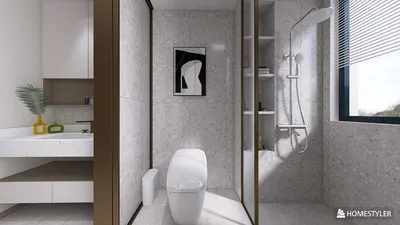
Choosing sage for a bathroom is ideal as it feels fresh yet soft. Pair it with white or cream tiles alongside matte black fixtures for a contemporary vibe. In one instance, a client was concerned that sage could seem dated; we modernized the vision by incorporating terrazzo accents and a frameless shower.
Important Note: Opt for a semi-gloss or satin finish in bathrooms for enhanced durability. Flat finishes can be difficult to maintain in humid environments.
save pin
5. Layering Shades of Green: Build Depth with Multiple Tones
Instead of settling for one solid color, consider blending two or three similar sage tones — use a light sage on the walls, a deeper green for trims or shelves, and a muted chartreuse as an accent. This layering offers sophistication in compact areas while avoiding a cluttered look.
I've played around with subtle color contrasts in the past, sometimes going overboard with undertones; the key is to sample large swatches during different times of the day. Tools like Homestyler can simplify the color selection process if you're feeling unsure about your choices.
save pin
Frequently Asked Questions
Q1: Is sage green a suitable choice for small rooms?
A1: Definitely — sage is soft and can help small rooms feel larger and more tranquil when combined with light neutrals and thoughtful lighting. Utilizing lighter tones and reflective surfaces enhances this effect.
Q2: What trim color complements sage green best?
A2: Crisp white or a warm off-white trim provides a clean contrast; if you prefer a cozier vibe, consider a rich cream. Always test color samples near your windows to gauge true contrast throughout the day.
Q3: What finish works best for a sage-painted kitchen?
A3: Satin offers a solid middle ground — it’s resilient and straightforward to clean, yet not overly shiny like semi-gloss finish. For areas that see frequent contact, semi-gloss may be advantageous for its ease of maintenance.
Q4: How can I prevent sage from appearing muddy?
A4: Use warm lighting and balance with warm elements like wood or brass. It's crucial to sample larger panels under your lighting conditions prior to committing to the entire room's color scheme.
Q5: Can sage green be effectively used outdoors?
A5: Absolutely — sage can look fantastic on exterior surfaces, provided it aligns with your architectural style and surrounding landscape. Always opt for exterior-grade paints and review the manufacturer’s guidelines for sun and moisture protection.
Q6: Are there any health or maintenance concerns linked to sage paint?
A6: There are no specific health risks, just the usual VOC considerations related to paint; select low-VOC formulas if air quality is important, and clean painted areas with gentle cleaners as needed.
Q7: Where can I find more information on paint finishes and their durability?
A7: Paint manufacturers provide detailed guides. For example, Sherwin-Williams has extensive technical information on different paint types and finishes, which can be incredibly helpful in making informed choices (see Sherwin-Williams technical guides).
Q8: How much paint will I require for an average small room?
A8: For a standard 10x12 room, expect to need approximately 1–2 gallons per coat, which varies based on the surface's porosity and the paint's coverage. Measure the walls and check the paint can’s coverage metric for a precise calculation.
save pin
Homestyler's roots trace back to Autodesk, the global leader in design and engineering software. That heritage lives on in every feature we build. Today, with a community of more than 18 million users worldwide, Homestyler continues to make professional-quality interior design accessible to everyone — from first-time decorators to seasoned architects.
Discover the ease of home design with Homestyler! This user-friendly online platform offers a powerful design tool, stunning 3D renderings, and a wealth of inspiring design projects and video tutorials. Transform your ideas into reality effortlessly, whether you're a beginner or an experienced designer!
Design Now for FREE
































