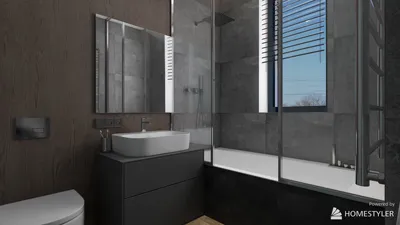


The transformation of a room into a reflection of its owner often initiates with the addition of the first poster. Music posters possess an exceptional ability to establish identity, infuse color, and set the tone of a space. When executed with care, they can significantly uplift the ambiance, complement the layout, and even enhance acoustic comfort.
In both workplaces and homes, visual elements substantially impact behavior and overall well-being. Research from Steelcase shows that environments personalized with thoughtful design lead to higher user satisfaction and a stronger sense of belonging, which are closely linked to increased engagement and productivity. In line with the WELL v2 standards, visual ergonomics and glare control are essential for comfort; posters featuring low-gloss finishes and well-balanced contrast can help alleviate visual strain under typical lighting conditions (recommended by IES at 300–500 lux) while still maintaining vibrant visuals. This reinforces the idea that selecting posters is a matter of taste, as well as light quality, finish, and viewing distance.
Colors wield a significant influence on mood. Insights from Verywell Mind highlight that warm colors like red and orange can invigorate, cool hues such as blue can soothe, and yellow is often associated with a sense of optimism. Applying this to interior design, a lively concert poster situated near a workout space can heighten energy levels, whereas a subtle jazz-themed print by a reading nook can help maintain focus and calmness. It’s also important to consider acoustic requirements, as large framed posters grouped on wall studs minimize vibrations and soft-mounted canvas prints can absorb sound to mitigate echo without sacrificing style.
Establish a Visual Rhythm
Music follows a rhythmic pattern, and your walls can reflect that flow. I prefer to arrange posters in groups of three or five, as odd numbers tend to create more dynamic visual interest. Maintaining a consistent bottom alignment, especially when combining different sizes, will further enhance visual cohesion. If your room design is still in flux, utilizing a layout tool like Homestyler can aid in testing different poster arrangements around furniture and sightlines without the need for permanent alterations.
Right Scale, Right Distance
When it comes to scale, mismatched proportions can quickly render an impressive poster ineffective. As a general guideline, a prominent poster should cover about 60–75% of the width of the furniture below it; for example, above a 72-inch sofa, a framed poster measuring 44–54 inches would feel well-proportioned. Ensure to leave a 6–8 inch gap above furniture to maintain a spacious feel. In desk areas, smaller prints (11x17 inches) hung at eye level—approximately 48–52 inches from the finished floor to the center of the artwork—can reduce neck strain and uphold ergonomics, particularly during short, focused glances.
Lighting Without Glare
Good lighting is crucial for showcasing posters. I aim for a baseline illumination of 300–500 lux in living spaces, with a color temperature between 2700–3500K to ensure warmth. Using matte or museum glass can help avoid annoying reflections under track lighting. Positioning picture lights or adjustable spotlights at a 30–35 degree angle to the wall also helps mitigate glare. If the space requires brighter lighting (500–750 lux), opt for mid-tone backgrounds to maintain visual balance while steering clear of high-gloss finishes.
Color Strategy That Matches Sound and Mood
Allow the genre of art to guide your color choices instead of the reverse. Posters representing punk and indie music often showcase vivid primary colors, perfect for energizing busy entryways or artistic corners. Conversely, jazz and ambient artworks typically embrace deep blues and neutral tones, ideal for creating a soothing atmosphere in bedrooms and lounges. If a room leans heavily toward dark finishes, adding light-colored posters can restore visual equilibrium and prevent the space from feeling confined.
Frames, Materials, and Sustainability
The choice of frame is just as important as the artwork itself. Thin black metal frames offer a modern look, while wood frames, such as oak or walnut, add warmth. If reflection is a concern, consider using non-reflective glazing. Opting for FSC-certified frames and recycled papers, when available, is a sustainable choice, while avoiding plastic lamination allows prints to breathe. Canvas wraps can soften reflections and provide acoustic benefits, while using poster hangers with magnetic rails is a budget-friendly option that allows for easy rotation.
Placement: Anchors, Vistas, and Flow
Envision your walls as a canvas for your visual playlist. Begin by positioning a feature poster on the primary wall you face upon entering the room, allowing other posters to form a sequence along circulation paths. Align significant pieces with architectural elements such as window frames, door centers, or the midpoint of a media unit to maintain visual rhythm. If you're contemplating furniture changes, you can use an interior layout planner or tools like Homestyler to experiment with sightlines and test poster heights before making any permanent decisions.
Acoustic Considerations
Although posters don't serve as dedicated acoustic panels, they can still play a preserving role. In spaces with hard, parallel walls that tend to create echo, using staggered arrangements of posters, shelves, and soft furnishings can help disperse sound waves. Canvas prints mounted on wood frames offer a moderate level of sound absorption, while areas designated for vinyl sessions or musical performances should balance reflective artwork with rugs and plush seating to ensure comfortable reverberation time for conversations.
Curation: Tell a Story, Not Just a Collection
My approach to curation unfolds in thematic chapters—tour posters, album artwork, and typography weave the narrative. Maintaining a cohesive theme, like '70s funk typography' for one year and 'minimalist electronic' the next, lends continuity. I like to rotate pieces seasonally to refresh the room. When framing limited editions, it's wise to keep them away from direct sunlight and utilize UV-filter protective glass to preserve the integrity of the colors.
Small Rooms vs. Large Walls
In smaller bedrooms, I favor a single large artwork to prevent visual clutter. In more spacious living areas, creating a gallery grid of four to six posters with uniform framing and 2–3 inch separation is effective. This grid can calm the visual experience and ensures it's coherent from a distance. For rooms with tall ceilings, stacking two posters vertically will draw the eye upward and help to balance the space's volume.
Budgeting and Sourcing
When sourcing art, I suggest mixing original pieces, reprints, and giclées made by artists. Prioritize archival inks and acid-free mats to guarantee the longevity of your collection. If budget constraints are an issue, focus on acquiring one standout piece while incorporating smaller prints as complementary elements. Thrift store frames can be perfectly adequate—just ensure you replace any scratched or overly shiny glazing for an optimal appearance.
Installation Details That Matter
Proper installation is key; use appropriate anchors for drywall and verify stud placements if your frame is heavy. Maintain consistent spacing—measure twice, tape once, then nail. Employing a small bubble level or laser will save you from potential mishaps. For rented spaces, opt for removable hooks rated for the weight of your frames.
Maintenance and Rotation
Monthly dusting of frames and checking for warping is essential. I recommend rotating posters yearly to minimize UV exposure, keeping the narrative of the room fresh. Taking photographs of each layout can significantly ease the re-hanging process, leading to quicker and cleaner results.
References for Design Decision-Making
I consistently refer to standards and research to guide practical design decisions—visual comfort guidelines from the Illuminating Engineering Society set lighting benchmarks, while WELL v2 provides clarity on glare, visual ergonomics, and user comfort. For insights into color choices that affect mood, Verywell Mind’s primer on color psychology continues to be an invaluable resource.
FAQ
To achieve a gallery feel, maintain 6–8 inches between the top of the furniture and the bottom of the frame, with the artwork center positioned around 57 inches from the ground. In spaces with lower ceilings, lowering the center to 54 inches can help diminish feelings of crowding.
Use matte or museum-grade glass and aim track lights at angles of 30–35 degrees to the wall. Maintain ambient light around 300–500 lux, steering clear of placing lights directly across from windows to minimize reflective hot spots.
For bedrooms, soothing palettes with cool, muted tones (blues, soft neutrals) are recommended to foster tranquility. Studios thrive on warmer or high-contrast prints to stimulate energy and creativity.
While they don’t serve as primary measures for sound absorption, canvas wraps and staggered arrangements can help disrupt reflections. Complement these with rugs, curtains, and upholstered seating to maintain a comfortable level of reverberation for conversations and music listening.
Maintain consistent frame styles and spacing (2–3 inches). Start with an anchor piece in the center, and then balance weights alternately on either side. Arranging an odd number of pieces creates a dynamic rhythm without creating chaos.
Selecting frames made from FSC-certified wood or durable aluminum and incorporating UV-filter glass safeguards prints while minimizing glare. Avoiding plastic lamination and opting for acid-free mats are essential for preserving art over time.
Mocking up designs using painter’s tape at full scale, or employing layout simulation tools online like Homestyler can help assess sightlines, poster heights, and grouping distances before making a commitment.
Absolutely—a single large statement piece can significantly reduce visual clutter. Keeping light margins and avoiding multiple minor prints will help preserve harmony in the space.
Using UV-filter glass, avoiding direct sunlight, and keeping humidity consistent are crucial for the longevity of your prints. Hang artworks away from heat sources and rotate periodically to reduce exposure over time.
Establish zones by placing energizing artwork in more active areas (such as media rooms or play zones) and selecting more tranquil pieces for reading nooks. Maintaining frame consistency contributes to the cohesive look of a room.
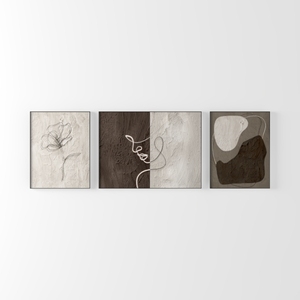


Homestyler is your go-to online platform for all things home design! With an easy-to-use design tool, impressive 3D rendering features, a variety of inspiring design projects, and helpful DIY video tutorials, you can effortlessly turn your ideas into reality, no matter your skill level!
Design Now for FREE
































