


Moulding design stands as a crucial aspect of interior design, providing both decorative flair and functional benefits that can dramatically change a room's atmosphere. Whether it’s the timeless elegance of classic crown moulding or the sleekness of modern varieties, moulding plays a substantial role in boosting the visual allure of any interior. One significant benefit of incorporating moulding is its ability to introduce a feeling of depth and dimension, making ceilings appear higher and walls more intriguing. By adding moulding to your decor, you can guide the eye upward, creating a sense of grandeur, which is especially effective in compact spaces.
Understanding the different types of moulding is vital when planning your design. Crown moulding, typically installed where walls meet ceilings, is favored in traditional and transitional homes. Baseboards serve a dual purpose by finishing off walls and protecting them from damage. Wainscoting adds character and texture through wall paneling, while chair rails combine decorative and functional roles, shielding walls from chair damage. Each of these moulding types can be tailored regarding material, style, and color to suit your personal aesthetic.
To envision the transformative potential of moulding in your home, consider utilizing design software like Homestyler. This cutting-edge platform allows you to explore a variety of moulding styles, colors, and placements in a virtual setting before committing to physical installations. By harnessing Homestyler’s vast assortment of design elements, including numerous furniture models and space inspirations, you can create a harmonious look that seamlessly integrates moulding into your overall home design.
Moreover, the influence of moulding design extends beyond mere visual enhancements; it can also affect your home's perceived value. High-quality moulding suggests a level of craftsmanship and attention to detail that resonates with prospective buyers. Therefore, investing in exceptional moulding not only enriches your living space but can also be a smart decision for future resale potential.
Incorporating moulding into your interior design scheme can be straightforward. Begin by evaluating the existing architectural features of your home and think about how moulding can either complement or enhance them. For modern interiors, consider sleek and minimalist moulding, whereas traditional settings may benefit from more elaborate designs. Color choice is important too; while white remains a classic option, choosing painted moulding in striking colors can provide a bold contrast that brings personality to the room.
Ultimately, achieving a successful moulding design hinges on maintaining balance. Steer clear of overwhelming a room with excessive detailing; instead, strive for harmony between the moulding and other design components. Whether you decide to hire a professional or embark on a DIY journey, meticulous planning and execution are essential to reach your desired results.
Tips 1:
When selecting moulding, it’s important to consider the room’s scale and ceiling height. Larger areas can accommodate wider and more intricate moulding, while smaller spaces benefit from simpler, less dominant designs.
FAQ
Welcome to Homestyler!
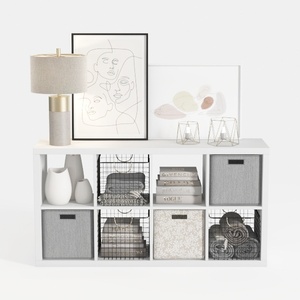
Modern Minimalist White Fabric Metal Storage Cabinet Console Table 3D Model

Minimalist White Textured Metal Leg Sideboard 3D Model

Floral Fabric Covered Round Ottoman Stool 3D Model
Looking to transform your home? Homestyler is the ideal online platform for you! With its user-friendly design tool, stunning 3D renderings, diverse design projects, and helpful video tutorials, you can effortlessly create and visualize your dream space—perfect for any home design enthusiast!
Desain sekarang Gratis
































