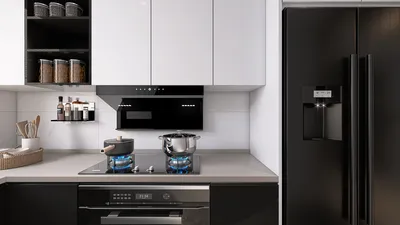


Light projectors have established themselves as essential tools for quickly transforming spaces. Whether I’m crafting a cozy atmosphere for an evening or setting up a productive workspace, the right projector can dramatically alter the perception of size, direct movements, and enhance moods without needing to apply a single coat of paint. For those looking to elevate their interior design, options like Homestyler can provide inspiration on how to effectively utilize light.
Establish a clear purpose before making a purchase
Consider what you want the lighting to accomplish: provide an ambient glow for relaxation, enhance focus for reading or crafting, or create fun visual displays for gatherings. Research indicates that lighting plays a crucial role in comfort and productivity in work environments. According to Steelcase, employees benefit from properly adjusted lighting, reporting improvements in satisfaction and concentration. Furthermore, WELL v2 guidelines highlight the importance of glare control and color rendering, making them vital for occupant well-being. For more insights, I recommend exploring WELL v2’s Light concept alongside IES recommended practices to ensure optimal brightness and reduce glare. This alignment helps translate your lighting intentions into tangible output.
Understand your brightness, beam type, and optimal distance
It is important to align the projector's brightness with the room's dimensions and surface reflectivity. Smaller spaces, like cozy bedrooms, typically thrive with 300–800 ANSI lumens for a soft ambiance, while larger areas may require 800–1,500 ANSI lumens, particularly when illuminating darker walls. The IES suggests an ideal horizontal illuminance of 100–300 lux for general living spaces, with task lighting needing an increase up to 500 lux based on visual demand and age. Be mindful of beam angles: narrow beams (15–30°) create striking highlights, medium beams (30–60°) achieve an even wash, and wide beams (60°+) help soften brightness and reduce intense spots. Your projector's throw ratio and distance will also dictate how expansive and uniform your setup appears; short-throw projectors work wonders in tighter rooms, allowing for widespread coverage while minimizing glare.
Color temperature's impact on atmosphere
The emotional effect of color temperature is significant. A warm-white tone (2,700–3,000K) creates a soothing environment, while a mid-neutral temperature (3,500–4,000K) is ideal for general activities, and cooler whites (4,500–6,500K) can enhance focus in work areas. For nighttime use, I recommend keeping it below 3,500K to promote better sleep. Studies in color psychology suggest that warm colors bring down arousal levels and bolster feelings of coziness, whereas cool tones can heighten alertness. For those utilizing Homestyler, experimenting with these color temperatures can help map lighting to desired emotions in your designs. If your projector has RGB capabilities, it's advisable to use vivid colors briefly to avoid fatigue, as prolonged exposure to intense hues can be visually overwhelming.
Managing glare and ensuring visual comfort
Improper projector placement can lead to an overwhelming brightness. Always ensure the unit is positioned away from direct sightlines, minimize reflections from shiny surfaces, and consider using diffusers or textured walls to soften lighting contrasts. According to the WELL v2 guidelines regarding glare control, managing brightness levels in sight lines can significantly reduce visual strain. In practice, I suggest keeping bright spots no more than a 10:1 ratio against nearby surfaces and refraining from directing beams into mirrors or highly reflective materials.
Considering acoustics, heat, and positioning
When selecting a projector, it is essential to factor in not just the lighting aspects, but also acoustics and thermal comfort. Projectors emitting fan noise over 35 dBA can disrupt the serenity of quiet spaces; choosing units with quiet operation or passive cooling options is ideal. Additionally, the heat produced by the device can influence the comfort level of a room—aim the projector towards open spaces rather than direct seating to ensure comfort. Placement options include low shelves positioned behind chairs, ceiling mounts angled away from direct sightlines, or tripod stands that keep the light beam unobtrusive. If you are redesigning a room, using a layout tool can aid in visualizing how the projector will fit into your setup before committing to any alterations.
The importance of wall surfaces: color and material considerations
The reflectivity of wall surfaces can profoundly affect the overall lighting experience. Smooth, matte whites or light warm grays tend to diffuse light evenly, while darker shades necessitate higher lumen outputs to maintain color perception. Textured surfaces such as plaster or wood can produce stunning gradient effects but may require broader beam projections to prevent uneven lighting. Choosing sustainable materials—like low-VOC paints, FSC-certified woods, and recycled panels—not only promotes healthier indoor air quality but also enhances your lighting experience while revitalizing your space.
Essential features: what to consider before buying
- Brightness: Look for projectors within the range of 300–1,500 ANSI lumens based on room size and wall color.
- Beam control: Ensure the projector has adjustable zoom or interchangeable lenses; at least one should be a wide-angle (60°+).
- Color management: Seek a white temperature range of 2,700–6,500K, and include RGB options. High CRI (90+) is essential for true color representation.
- Dimming capabilities: Equipment should dim smoothly without flickering down to 10% or lower.
- Noise levels: Aim for noise levels below 30–35 dBA in energy-efficient modes, particularly for bedrooms.
- Connectivity: Look for app controls that enable scene scheduling and sunset modes, with optional voice activation.
- Safety features: Ensure thermal protection, child safety locks, and secure mounting hardware are in place.
Designing scenes: transitioning from day to night
Create a light pattern that corresponds with your daily activities. In the morning, use a brightness of 3,500–4,000K to help awaken senses. In the afternoon, opt for neutral, mid-level brightness with low glare to complement daylight. As night approaches, create a warm ambiance with a color temperature between 2,700–3,000K, layering your lamps for dimension. In late hours, utilize ultra-low dimmed settings with limited blue light exposure. Following WELL v2 guidelines for circadian-friendly lighting can significantly enhance your nightly routine; you may consider incorporating features from tools like Homestyler to ace scene transitions.
Projector types and their applications
- Ambient wash projectors: ideal for cozy living areas and bedrooms due to their wide beam and moderate light output.
- Pattern or gobo projectors: excellent for adding texture, such as leaf patterns or geometric designs, particularly in hallways and entryways.
- Short-throw projectors: great for compact spaces that need expansive illumination without casting unnecessary shadows.
- Smart LED projectors: these are app-controlled and offer customizable scenes, tunable white settings, and automation features for sunrise/sunset.
- Portable mini projectors: perfect for movie nights, reading nooks, or creating an inviting ambiance on terraces.
Human-centric design: ergonomics and user behavior
Effective lighting can significantly influence behavior and reduce eye strain. Make sure luminescence stays even throughout the main visual field, maintain clear navigation paths, and avoid intersecting light beams to prevent confusion. Studies from Steelcase and Herman Miller have shown that quality lighting corresponds with feelings of control and productivity; in a home office space, prioritize flexible setups, proper dimming features, and minimal glare from screens to maximize efficacy.
Installation tips I frequently utilize
- Nighttime testing: Assess for light spots, reflections, and shadows while curtains are drawn.
- Angle off-axis: Position the unit at a 15–25° angle from seating areas to reduce direct glare exposure.
- Combining with lamps: Layer the projector’s wash light with one or two low-glare lamps for a richer lighting effect.
- Manage cable placements: Utilize cord channels to maintain clean lines and ensure ventilation remains unobstructed.
- Adjust color settings: Always test paint colors under projected light to ensure the final scene appears as envisioned before making permanent changes.
Budget considerations and value assessment
You don't necessarily need the most expensive projector to achieve stunning results. Focus on elements such as CRI, smooth dimming features, and effective beam control over sheer lumen output. Entry-level models of smart LED projectors can effectively provide beautiful ambient lighting in smaller areas, elevating the overall design, especially if darker finishes or greater spaces are involved.
Frequently asked questions
In a bedroom measuring 10–12 m², projectors providing 300–600 ANSI lumens are typically sufficient, particularly for lighter walls. For darker walls, increasing to around 800 lumens is advisable.
Aim for positioning the projector away from direct line of sight, utilizing broader beams, and dimming to below 30% for evening settings. Reflective light should be directed toward matte surfaces to mitigate glare, in line with WELL v2 guidelines.
Using cooler white tones (4,000–5,000K) can enhance alertness for brief tasks; however, for extensive usage, neutral settings at 3,500–4,000K with reduced glare provide a more comfortable experience. Make adjustments based on personal comfort and screen brightness levels.
No, projectors are not ideal for detailed tasks. They excel in creating ambient and accent lighting but should be paired with task lights for effective reading or crafting, adhering to IES illumination standards.
Absolutely. Using vibrant colors can alter how wall tones are perceived and may even emphasize any imperfections. It’s wise to trial scenes on smaller areas before settling on a broader application, with warm light being the standard for most everyday tasks.
A CRI of 90+ maintains the natural appearance of skin tones and materials. Lower CRI values can dull textures and distort colors, particularly with artistic displays or wooden finishes.
Seek projectors with noise levels below 30–35 dBA. If sound sensitivity is a concern, opt for passive cooling LED models or position the unit further from sleeping areas.
Certainly. Features like scene scheduling, sunset/sunrise synchronization, and quick dimming capabilities are invaluable for maintaining comfortable circadian rhythms and ease of use. Automation can ensure a low-blue lighting routine during the evenings, enhancing nighttime comfort.
Install projectors off-axis from seating arrangements, usually behind or beside the couch at a 15–25° angle. Direct the light onto a matte wall or ceiling for soft diffusion and keep cables neat along the edges of the room.
Soft washes of light across ceilings and higher walls create an illusion of vertical lift and spaciousness. Be cautious to avoid tight hotspots that may compress spatial perception.
Set the projector as an ambient light source at a low intensity, supplement with table or floor lamps for focused tasks, making sure to keep the color temperature within a 300K range for cohesive lighting.
Use secure mounts, prevent overheating by ensuring vents remain clear, and avoid direct beams towards reflective surfaces or into occupied sightlines. Employ safety locks to protect children in family-oriented homes.
Built on technology originally developed at Autodesk, Homestyler empowers anyone to design beautiful, realistic spaces in minutes. Join over 18 million users who have already discovered a smarter way to plan, visualize, and bring their dream homes to life — all from the comfort of a browser.
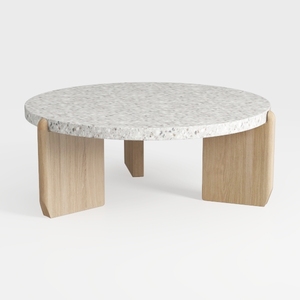
Minimalist Terrazzo Solid Oak Round Coffee Table 3D Model


Minimalist Tan Leather Sectional Sofa 3D Model
Homestyler is your go-to online home design platform, offering an intuitive design tool and stunning 3D renderings to bring your ideas to life. Explore endless design projects and enhance your skills with comprehensive DIY video tutorials. Transform your space effortlessly and creatively!
Projete agora para LIVRE
































