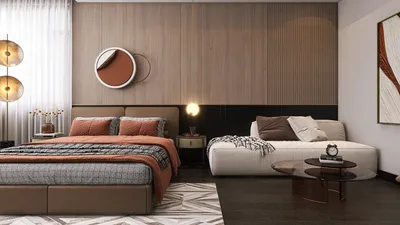


I've transformed typical spaces into rejuvenating, immersive areas by incorporating galaxy wallpapers, particularly in bedrooms, home offices, and media rooms. The visual appeal lies not only in the wallpaper design but also in the synergy of the image, lighting, and ergonomics. In environments used for extended periods, the positioning of one's body and line of sight is essential. Research from Steelcase indicates that knowledge workers benefit from frequent posture changes and varied focal lengths to alleviate strain; thus, integrating a galaxy mural with distant perspectives can aid in visual breaks (Steelcase research). Adequate lighting plays an equally crucial role; according to WELL v2, a balance of ambient lighting and minimizing blue-light exposure in the evening is recommended to support circadian rhythms (WELL v2 Light concept). In my projects, combining a deep nebula wallpaper with softly dimmable warm lighting has led to my clients enjoying more tranquil evenings and effective winding down after work, which can be easily planned using Homestyler.
The influence of color psychology significantly shapes the atmosphere created by space-themed graphics. Well-known insights from Verywell Mind detail how blues can evoke feelings of calmness and stability, while purples might inspire creativity and a sense of mystery (color psychology). In practice, I prefer utilizing cooler blue-black star fields for tranquil bedrooms and vibrant magenta-violet nebulas for stimulating creative environments. For areas dedicated to task completion, I place the mural on the periphery; Herman Miller's studies reveal a connection between visual comfort and performance satisfaction, highlighting the importance of avoiding reflective high-gloss finishes behind monitors (Herman Miller research). I also consult IES guidelines for glare control and lighting strategies to maintain comfort and effectiveness in workspace settings.
Selecting the Appropriate Galaxy Motif
Not all cosmic wallpapers are the same. A wide-field star pattern creates a gentle, grainy texture that appears neutral from afar, making it ideal for living spaces and long walls. In contrast, a striking nebula design serves as an artistic centerpiece—perfect for features like alcoves, beds, and accent walls. Aim to position the mural's most vibrant area with the room's focal point, whether that's a bed, sofa, or media unit. In smaller rooms, balancing the visual ratio of approximately two-thirds mural to one-third solid color ensures a harmonious aesthetic without overwhelming the senses.
Light to Create Depth, Atmosphere, and Comfort
Galaxy wallpaper designs reward the use of layered lighting. I recommend setting ambient lights to between 2700–3000K in leisure areas to promote relaxation at night, while reserving brighter 3500–4000K for daytime use in home offices. Incorporating a subtle 10–20% backlight or cove lighting near the edge of the mural enhances its three-dimensional effect while preventing overly bright spots. Following IES task lighting guidelines ensures desk areas remain comfortably illuminated without detracting from the mural's impact. For bedrooms, I suggest using low-glare, indirect light sources paired with warm bedside fixtures to create a soothing ambiance.
Considering Ergonomics and Viewing Angles
In workspace environments, it is important to position bright, high-contrast elements away from the direct line of sight of computer screens to mitigate visual fatigue. By placing the mural on a side wall or behind seating, it allows for natural visual breaks. Utilizing matte or eggshell finishes can also help reduce reflections. If you are planning to install a ceiling galaxy, ensure that seating arrangements promote a natural 15–20° upward gaze, rather than requiring awkward neck positions for extended periods.
Color Combinations and Material Harmony
To achieve a balanced look, pair deep-space blues with materials such as charcoal, matte black, and walnut. Warmer tones like violets and magentas blend beautifully with elements such as smoked oak and brushed brass, complemented by soft gray fabrics. Choosing low-VOC paints and breathable materials can ensure a healthier indoor environment; sustainable wall coverings with recycled components can enhance interior quality. Additionally, introducing subtle textures—such as linen or silk embossing—can create an inviting tactile experience without excessive glare.
Strategizing Placement and Scale
Creating a feature wall behind beds, sofas, or dining areas draws intentional focus and visual interest to the space. Hallways can benefit from elongated star fields that evoke a sense of motion. For compact rooms, it's advisable to avoid wrapping the mural around all four walls; instead, providing visual relief with one mural wall and three calmer surfaces creates a balanced atmosphere. If you plan to rearrange furniture, utilizing a room layout application can help visualize how the mural's most vibrant areas interact with furnishings to avoid clashes with tall storage or reflective items.
Room Layout Tool
Acoustic and Visual Comfort
Galaxy-themed prints harmonize well with soft, sound-absorbing materials—think wool rugs, acoustic panels behind seating, and heavy curtains—to control echo and avoid an overly spacious feeling, which could emphasize the mural's vastness. Maintain a rhythmic balance in the design by alternating between textured and smooth surfaces, bright and subdued spaces, and busy and tranquil visual areas to uphold an engaging energy level.
Tips for Installation and Finishing
When ordering galaxy wallpaper, it is wise to purchase an extra 10–15% for pattern matching, especially with large nebulas that require continuity across seams. Don’t forget to prepare the walls adequately and select a professional-grade adhesive suitable for your material. Finishes should ideally be matte, eggshell, or satin to prevent glare; high-gloss should only be used if you're deliberately creating a mirror-like aesthetic and can manage the angle and reflections effectively.
Ceiling Galaxies and Low-Height Spaces
Incorporating a ceiling galaxy can create an illusion of taller ceilings if wall surfaces remain calm and vertical planes are lighter. Adding a dimmable cove light near the perimeter enhances height perception without drawing excessive attention. Keep furniture low-profile and ensure unobstructed circulation to maintain the continuous sky effect.
Ensuring Maintenance and Longevity
Opt for washable and scrub-resistant wallpapers for areas used by families or children. Using UV-resistant inks can stop color fading from sunlight; pairing these with window treatments that diffuse harsh daylight can enhance longevity. It's also a good idea to rotate lighting options to avoid persistent bright spots on the same area of the mural, helping maintain its appearance.
Designing for Different Room Types
For bedrooms, select serene star fields or soft nebulas in cooler tones. Complementing these designs with warm, dimmable bedside fixtures and opaque curtains can support relaxing evening atmospheres in line with WELL-inspired lighting principles.
In home office settings, position the mural to avoid direct sightlines to the workstation. Choose neutral-white task lighting while dimming ambient lights during concentrated activities. Matte finishes will assist in maintaining comfort and functionality.
Using deep blacks and blues effectively reduces screen glare in family rooms; consider employing perimeter LED strips at low output to preserve a cinematic ambiance while avoiding complete darkness that might strain the eyes.
Introduce dynamic constellations with wallpapers designed for durability and easy cleaning. Balancing colorful wallpapers with practical storage solutions and soft flooring can help keep visual chaos at bay.
Commonly Overlooked Details
Ensure the print size is appropriate for the wall, avoiding the compression of large galaxy features into tight spots. Align significant mural elements with furniture arrangements. Careful planning of outlets and switches prior to printing custom panels can greatly enhance the installation process. For rentals, consider using peel-and-stick films and testing adhesion on small areas as a precaution.
Frequently Asked Questions
Q1: What is the optimal color temperature for galaxy wallpaper in evening settings?
A: Aiming for a warm ambient light between 2700–3000K will promote relaxation while retaining depth in blue and violet hues. Adding dimmable layers and avoiding direct lighting on glossy surfaces will enhance comfort.
Q2: Can a dark galaxy mural make a small space feel even smaller?
A: Not necessarily. A thoughtfully placed feature wall, coupled with controlled lighting and lighter adjacent surfaces, can significantly enhance the perception of space. Using ceiling coves and matte finishes can also keep the area feeling open and airy.
Q3: What are effective methods for minimizing eye strain in an office with cosmic wallpaper?
A: Keeping the mural out of direct sightlines, opting for matte finishes, and adhering to task lighting recommendations can greatly diminish glare. Introducing varied focal points can facilitate natural visual breaks.
Q4: Which materials are best suited for acoustic comfort?
A: Textiles such as wool rugs, soft seating, acoustic panels, and heavy drapes effectively absorb sound, mitigating echoes and preventing the spacious ambiance from feeling overly cold, even with a warm aesthetic.
Q5: Can galaxy wallpaper be installed on textured walls?
A: Yes, but I suggest skim-coating or using lining paper first to prevent the underlying textures from showing through the large, smooth gradients common in space-themed prints.
Q6: What finish is ideal for preventing glare?
A: Matte or eggshell finishes are effective in minimizing reflections, while satin can be used with careful lighting management. High-gloss is best reserved for specific, intentional designs where you can control lighting angles.
Q7: Are peel-and-stick galaxy wallpapers strong and reliable?
A: The quality varies among brands. Seek thicker materials with UV-resistant inks and repositionable adhesives. They are perfect for rental properties and accent walls, but best avoided in high-moisture areas.
Q8: How can I select a color palette that matches a violet nebula?
A: Pair it with materials like smoked oak, brushed brass, charcoal, and soft grays. Also, consider adding subtle accents—like sage or deep teal—to maintain a sophisticated and appealing look.
Q9: What's the best approach to arrange furniture around the mural?
A: Utilize an interior layout tool to visualize how the bright spots of the mural align with key furniture pieces, ensuring that tall storage units don’t obstruct prominent elements of the design.
Q10: Is it possible for a ceiling galaxy to work in rooms with low ceilings?
A: Absolutely—using lighter wall colors and calmer decor, combined with dim cove lighting and low-profile furniture, can create an impression of greater height within the space.


Modern Glossy Blue Metal Contemporary Coffee Table 3D Model

Modern Minimalist Black Fabric Sectional Sofa 3D Model
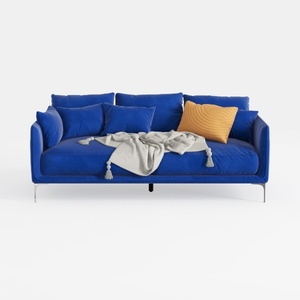
Modern Blue Velvet Upholstered 3 Seater Sofa with Decorative Pillows 3D Model
Homestyler is your go-to online platform for home design. With an easy-to-use design tool, stunning 3D renderings, and a wealth of DIY video tutorials, you can transform your ideas into beautiful spaces effortlessly. Perfect for both beginners and seasoned designers!
Design Now for FREE
































