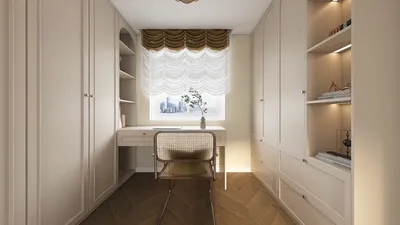


Having repainted numerous homes and studios over the years, I've come to believe that an effective wall paint strategy can transform the atmosphere of a space over a weekend. Color acts not just as decoration—research by Verywell Mind suggests that warm tones like red and orange can invigorate a room, while shades of blue and green are linked to calmness and concentration, which is why these cooler colors often adorn bedrooms and study spaces. Additionally, WELL v2 emphasizes the significance of lighting and surface choices on comfort, advocating for managing glare and ensuring balanced light, reminding us that paint sheen and color selections should prioritize visual comfort. Incorporating tools like Homestyler can help visualize color applications and room layouts.
Lighting significantly affects how we perceive paint colors. The Illuminating Engineering Society (IES) recommends specific illumination levels for residential environments—typically 150 to 300 lux in living areas and up to 500 lux for detailed work. It’s wise to test color swatches under different lighting conditions before making a final decision. Ergonomically, approaching painting with careful planning and the right tools is crucial: a lightweight extension pole can help lessen shoulder fatigue, and sturdy step ladders reduce the risk of awkward reaches. Combine these practical considerations with strategic layout planning; utilizing room design software like Homestyler can assist in visualizing accent walls or geometric patterns before diving in to tape and paint.
Establish Your Purpose: Ambiance, Utility, and Focus Points
Prior to selecting paint, clarify the intended purpose of the room. A living area may benefit from warm, inviting tones conducive to conversation, while a home office would thrive with calming low-saturation blues or sage tones for enhanced focus. Identify one or two focal walls—behind a couch, a headboard, or entryway—to create a clear anchor point for the eye. If you’re rearranging furniture or setting up feature zones, consider employing an interior layout planner like Homestyler to test sightlines and seating configurations alongside your color choices.
Subtle Accent Walls
An accent wall is most effective when it aligns with the room’s overall aesthetic. Opt for a color that's one to two shades darker than your primary walls to build subtle contrast. Matte or eggshell finishes can obscure imperfections and minimize glare, especially near windows. Maintain a soothing overall palette with soft neutrals, textured fabrics, and layered lighting to avoid overwhelming visuals. Often, I draw the accent hue from a complementary rug or piece of artwork to create cohesion within the space.
Color Blocking for Subtle Structure
Incorporate two to three complementary colors to define different functional areas: a warm mid-tone behind a reading chair, a cool band around a desk nook, or a soft neutral column to make a low ceiling appear lifted. Ensure to tape with precision and measure thoroughly. Keeping proportionality with a ratio of around 30/60/10 for primary, secondary, and accent colors helps in achieving visual harmony. This method is particularly beneficial in open-plan areas, where paint can help delineate different spaces without introducing physical barriers.
Two-Tone Walls: No Molding Required
Divide the wall horizontally: a darker shade on the bottom can provide grounding, while a lighter tone on top enhances brightness. For average-height ceilings, aim for a 40/60 ratio of darker to lighter color—switch this if the objective is to elevate the room's perception. Using a high-quality level and frog tape will help ensure a sharp division. This technique imparts a classic feel to both traditional and contemporary interiors.
Dynamic Geometric Patterns Through Preparation
Shapes such as triangles, chevrons, or layered arches can elevate plain walls into striking features. Plan your pattern, double-check your measurements, and tape carefully. Limit your color palette to two main shades and one accent to avoid visual chaos. In cozy spaces, keep patterns modest in scale and favor mid-contrast combinations to prevent the room from feeling cramped.
Ombre and Gentle Gradients
Create a soothing gradient by blending three closely related tones, starting dark at the bottom and moving lighter towards the ceiling. Work quickly while the paint is still wet, using a dry brush to blend transitions smoothly. This approach is well-suited for bedrooms and serene areas, especially with cooler shades. Pair with adjustable warm-white lighting (around 2700–3000K) to enhance relaxation in the evening.
Tone-on-Tone Texture: Subtle Yet Rich
Start with a base color and then apply a slightly darker glaze using a microfiber roller to add depth and sophistication. This technique not only enhances the aesthetic but also conceals minor wall imperfections. Maintain consistency in sheen—mixing matte with semi-gloss on the same flat surface can lead to undesirable glare.
Accents on Doors and Trim
Refreshing doors, casings, and baseboards can completely reinvent a space. Opt for bold colors on doors within hallways to create striking focal points, or employ gentle contrasts on window trim to frame vistas beautifully. When employing darker hues for trim, ensure that the area receives sufficient ambient light to sustain visual comfort and cleanliness.
Micro-Projects: Niches, Shelves, and Frames
Small-yet-impactful changes include painting recessed niches, the backs of bookcases, or creating faux frames behind artwork. Opt for a reliable eggshell finish that allows for easy cleaning. These subtle details can define display areas and facilitate smooth movement throughout your environment.
Finishes and Sheen: Often Overlooked Factors
• Matte/Flat: Ideal for less than perfect walls, offering low glare; recommended for living areas and bedrooms.
• Eggshell/Satin: Offers a balanced mix of durability and soft sheen, making it suitable for high-traffic spaces.
• Semi-Gloss/Gloss: Perfect for trim and doors due to ease of cleaning; should be avoided on large walls unless bright reflections are desired. Ensure consistency in sheen across adjacent surfaces for visual coherence.
Understanding Light: Color Temperature and Glare
Align your paint choices with your lighting scheme. Cooler light (3500–4000K) enhances blues' clarity, while warmer light (2700–3000K) amplifies reds and earthy tones. Confirm that your lighting is layered—incorporating ambient, task, and accent light—and consider installing dimmers to adjust the mood as needed. Mitigate glare by using matte finishes near windows, particularly where natural light is plentiful.
Pro-Level Preparation
Proper preparation is essential for achieving a flawless finish. Patch any holes, lightly sand surfaces, and apply primer as necessary. Use high-density microfiber rollers for smooth applications and an angled brush for cutting in. Maintain a wet edge to prevent lap marks and always roll from the bottom to the top for consistent texture. Ensure adequate ventilation and pace the work to safeguard your joints.
Eco-Friendly Choices
Opt for low-VOC paint options and durable finishes that prolong the time between repainting. Whenever possible, use recycled-content rollers and responsibly sourced tape. Effective prep work also helps minimize waste by reducing the need for rework.
Strategically Planning Layouts Around Painted Features
An effectively positioned accent wall yields the best results when congruent with your furniture layout and sightlines. Prior to painting, use a room design visualization tool like Homestyler to ensure the focal wall harmonizes with the seating arrangement and the entry view. Center artwork at eye level (about 57–60 inches from the floor) while ensuring functional areas, like desks, are accented with supportive colors and sufficient light.
Expert Insights for Informed Choices
Colors have the power to influence behavior; Verywell Mind’s overviews on color psychology provide a great starting point for selecting hues that promote your desired activities. Concurrently, WELL v2 offers valuable recommendations on visual comfort, incorporating natural daylight, and controlling glare—these guidelines can help you avoid overly shiny paints near bright windows and ensure balanced illumination throughout your space.
Step-by-Step: Transforming Your Space with an Accent Wall
1) Determine color and location; take existing textiles and artwork into account. 2) Measure and tape edges; remember to protect floors. 3) Apply primer if the base color has a large disparity from your chosen shade. 4) Start by cutting in, then roll top to bottom. 5) Inspect under both daylight and evening light. 6) Accessorize with complementary items and adjust lamp color temperature for harmony.
FAQs
Q1: How can I select a wall color that promotes focus?
A: Soft blues and greens generally encourage concentration, as noted in color psychology studies. Pair these with 3500–4000K lighting for clarity without harshness.
Q2: Which sheen works best for walls with imperfections?
A: Matte or eggshell finishes are ideal for alleviating glare and concealing minor flaws. Save semi-gloss for trim and doors where durability is key.
Q3: How can paint demarcate zones in an open-plan area?
A: Implement color blocking to delineate areas—like dining, lounging, and workspace—while adhering to a 30/60/10 color ratio. Ensure your color blocks align with your furniture setup and flow.
Q4: Can lighting affect how my paint appears?
A: Absolutely. It's crucial to test color samples in both morning and evening lighting. Warmer light deepens warm colors, while cooler light sharpens cooler ones. Aim for multiple lighting layers, including ambient, task, and accent, for best effects.
Q5: Are vibrant accent walls appropriate for smaller rooms?
A: Certainly, as long as it's done with care. Select mid-contrast colors and limit your palette to two or three hues, keeping patterns scaled down to avoid chaos.
Q6: How can I achieve precise lines in geometric patterns?
A: Use quality painter's tape along with a level, and ensure to burnish the edges prior to painting. Remove tape at a 45-degree angle when the paint is still slightly moist.
Q7: What pre-painting preparations are crucial?
A: Essential steps include patching holes, sanding surfaces, and applying primer. Clean the area, guard your floors, and keep a wet edge while painting. Proper ventilation is key for a smoother finish and comfort during the job.
Q8: What colors are optimal for bedrooms?
A: Soft, cool shades—like powder blue, pale sage, or muted lavender—foster tranquility. Combine them with warm, dimmable lighting for nighttime relaxation.
Q9: Is mixing matte walls with glossy trim acceptable?
A: Yes, it’s a classic and beautiful choice. However, avoid glossy finishes on larger wall surfaces to minimize distracting reflections, especially in brightly lit spaces.
Q10: How can I prevent roller marks?
A: Ensure your roller is evenly loaded, start with a W pattern, and maintain a wet edge. Adjust your work from the bottom up and keep consistent pressure throughout the application.
Discover the ease of home design with Homestyler! This online platform offers a user-friendly design tool, stunning 3D renderings, and a wealth of design projects and DIY video tutorials. Whether you're a novice or an expert, Homestyler empowers you to create your dream space effortlessly.
Concevez maintenant gratuitement
































