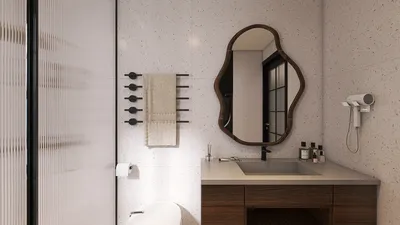


I've discovered that one of the fastest ways to transform a room's ambiance is through color-tuned lighting. When implemented correctly, vibrant lights can invigorate a living area, soothe a bedroom, or enhance concentration in a workspace. This success relies on three key factors: spectrum, intensity, and placement. Before opting for another LED strip, reflect on how color temperature, lumens, and positioning influence both comfort and behavior. For a seamless design experience, tools like Homestyler can assist in visualizing your lighting arrangement.
Lighting serves more than just decorative purposes—it enhances performance. The Illuminating Engineering Society (IES) suggests approximately 300–500 lux for living rooms and 150–300 lux for bedrooms, whereas task zones, such as kitchen countertops, can benefit from levels exceeding 500 lux for optimal clarity and safety. Studies from Steelcase indicate that lighting quality significantly affects productivity and wellbeing, with visual comfort being a crucial factor for maintaining focus. By implementing these recommendations, you can ensure colorful lighting enriches rather than detracts from your environment.
The selection of colors significantly impacts emotions. Research compiled by Verywell Mind suggests that warm colors (like reds and oranges) tend to be invigorating and promote social interaction, while cooler shades (such as blues and greens) foster calmness and concentration. When used thoughtfully, vibrant accent lighting—such as a magenta glow behind a bookshelf or a teal band above a headboard—can create striking focal points without overwhelming the entire space. A layered lighting strategy helps combat visual fatigue and enhances healthy circadian rhythms when complemented with neutral white ambient light, which can be effectively managed with tools like Homestyler.
Designing with lighting layers is essential.
I begin by establishing a clear base layer of dimmable warm-white (2700–3000K) or neutral-white (3500–4000K) ambient lighting to ensure clarity. Next, I incorporate task lighting with a high color rendering index (CRI 90+) to keep materials and skin tones looking natural. Finally, I add color accents, using RGBW strips in coves, backlighting for art pieces, or smart bulbs behind diffusers. By positioning colors at the edges (behind furniture or under shelves), glare can be minimized while maintaining visual harmony. If you're experimenting with arrangements, a room layout tool, such as Homestyler, can help visualize light diffusion and sightlines beforehand.
Choosing the right color temperature and saturation is vital.
Color temperature should align with the intended function. For lounging spaces, 2700–3000K facilitates relaxation; for reading areas or creative desks, 3500–4000K supports alertness without appearing stark. I prefer using highly saturated colors for short accents or specific focal walls, often maintaining 20–40% saturation in everyday settings, increasing it to 60–80% during events. Pair any colored wash with neutral task lighting to enhance visual comfort.
Understanding brightness, lux, and dimming controls is key.
First, establish your baseline illumination: approximately 200–300 lux for leisurely living, increasing to 500+ lux for tasks involving detailed work. Then, layer color as a separate zone complete with its own dimmer. The ability to adjust brightness from 10–100% allows you to tailor intensity to suit morning, evening, and social settings. Consider using glare shields or diffusers to soften LEDs; utilizing indirect lighting (which reflects off ceilings and walls) creates a more delicate, uniform glow compared to direct lamps at eye level.
Applying color psychology in real spaces can be transformative.
In bedrooms, soft blues and muted greens encourage relaxation; combining a mellow teal cove with 3000K bedside lamps keeps the atmosphere serene. Warm amber or peach accent lights in living rooms stimulate conversation without heightening heart rates. Creative studios benefit from cooler hues, like cyan or violet, to enhance visual contrast while neutral lighting caters to detailed tasks. It's crucial to maintain gentle transitions—abrupt shifts from vibrant color to bright white can be startling.
Human factors like comfort, glare, and visual rhythm must be considered.
To enhance ergonomics, keep bright LED nodes out of direct sightlines. Position strips at least 2–4 inches from the edges, placing them behind diffusers to reduce glare. Establish a rhythmic visual flow by alternating lit and unlit areas, and use symmetrical placements for a calming effect or asymmetry for dynamic energy. A personal guideline: no more than three dominant colors in one scene, with one leading color supported by two others.
Considerations for acoustics and materials are important as well.
Colored lighting interacts with different surfaces. Matte finishes effectively diffuse colors and diminish hotspots, while glossy surfaces can amplify saturation and reflections. In vibrant or echo-prone rooms, pairing colorful lights with acoustic panels or textured fabrics can mitigate visual and auditory harshness. Choose materials with high lightfastness to ensure colors and finishes maintain their appearance under extended illumination.
Utilizing smart controls and designing scenes enhances practicality.
Smart hubs or app-based systems enable the effective daily use of colorful lighting. I enjoy creating scenes for Morning (3500–4000K neutral with low-saturation colors), Evening (2700K warm with amber highlights), Focus (4000K plus cool cyan accents), and Party (rich RGB lighting with balanced indirect beams). Linking scenes to dimming schedules and occupancy sensors can optimize energy usage. To maintain visual comfort, keep transition times gradual—around 20–60 seconds.
Ensuring safety and compliance with standards is paramount.
Always follow manufacturer guidelines for LED strip power and ventilation, particularly within enclosed spaces like coves or cabinets. Adhere to recommended lux levels per IES standards for both task and ambient lighting. For spaces designed with wellness in mind, the WELL v2 criteria for lighting emphasizes glare control, circadian support, and visual comfort, which aligns well with balanced color application. Utilize UL-listed components, appropriate drivers, and effective heat management to promote longevity.
Consider layout tips for small, medium, and large rooms.
In small rooms, prioritize perimeter lighting—like cove strips and under-shelf washes—to create the impression of larger boundaries. In medium rooms, establish two focus areas (for instance, a media wall with warm amber and a reading nook with cool teal), supplemented by a neutral ceiling wash to avoid color conflicts. For large spaces, zone your plan with unique palettes and dimming groups so each activity area can cultivate its own mood without clutter. Quick testing of options can be achieved through an interior layout planner such as Homestyler.
Trends for 2024–2025 favor subtle spectral play.
We're observing more muted palettes—desaturated blues, forest greens, and smoky violets—layered over warm white lighting, along with the emergence of RGBW fixtures that offer cleaner whites and richer colors combined. Hybrid designs integrate linear LED coves with portable lamps to afford flexibility in scene creation without being overly permanent. Sustainability continues to be a core focus: fewer fixtures with enhanced optics and precise dimming are preferred over excessive brightness.
Frequently asked questions.
Aim for accent scenes to comprise roughly 20–40% of ambient light levels for everyday use. If the ambient level is 300 lux, keep color accents within the range of 60–120 lux. For special events, you can elevate these accents, but ensure proper glare control and balance with neutral task lighting.
In the hour leading up to sleep, steer clear of high-intensity blue lighting. Combine desaturated cool colors with warm white ambient light (around 2700–3000K) at low dimming levels. Maintain total bedroom illumination below 150–300 lux in the evenings to adhere to IES recommendations for restful environments.
Yes, in areas where skin tones, artwork, or materials are viewed, select CRI 90+ white task lights. While colored accents may utilize lower CRI, it is critical that the white layer accurately renders colors to avoid distortion.
Employ diffusers, place strips out of direct sightlines, and bounce light off walls or ceilings. Indirect lighting provides smoother transitions and diminishes glare. Consider fixtures with frosted lenses for more even luminance.
Warm ambers and soft peaches foster social interaction, balanced by neutral-white ambient lighting. Introduce a cool contrasting hue—muted teal or cyan—at lower saturation levels to create depth without overwhelming visual stimulation.
Use neutral or cool-white lighting at 3500–4000K with around 300–500 lux for clarity before adding subtle cool accents at the edges to enhance contrast. Research referenced by Steelcase connects visual comfort with sustained concentration, making glare control and task illumination essential.
RGBW fixtures include a distinct white LED, generating cleaner whites and more accurate mixed colors. This streamlines scenes that integrate functional white lighting alongside color accents.
Organize ambient, task, and color accent lights on separate dimmers or scenes. This allows for fine-tuning of intensity based on varying activities—whether reading, socializing, or relaxing—without needing to reconfigure the entire setting.
Matte finishes and textiles distribute color beautifully. Utilize semi-gloss sparingly to create highlights. Ensure that all materials exhibit high lightfastness to prevent fading over time.
Stick to one primary color while incorporating one or two secondary accents. An excess of saturated colors can lead to competition and visual fatigue. Layer whites and neutrals to provide the eyes a resting place.
Homestyler is an exceptional online home design platform that caters to all your interior design needs. With its user-friendly design tool, stunning 3D renderings, and a wealth of DIY video tutorials, you can effortlessly create and visualize your dream spaces—whether you're a beginner or a seasoned designer!
立即免费设计
































