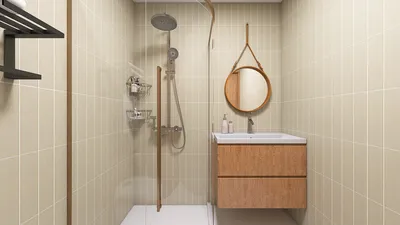


I've discovered that a thoughtfully designed wall panel can dramatically alter the ambiance of a room, enhance acoustics, and introduce a satisfying tactile quality without overshadowing the architectural features. In contemporary homes, these panels do much more than just beautify; they influence light, boost comfort, and maintain a harmonious flow throughout different areas.
Research supports these observations. According to WELL v2, minimizing reverberation and managing background noise can lead to significant improvements in comfort and cognitive function. Moreover, straightforward techniques like using absorptive surfaces can effectively meet acoustic needs. Additionally, Steelcase studies correlate visual consistency and the reduction of sensory overload with enhanced focus in multi-use environments, a trend I've consistently noted when wall panels create a stable visual grounding. For comprehensive design principles, WELL v2 serves as an excellent source for guidance on acoustics and materials (visit wellcertified.com), and Steelcase's research provides insights into creating environments that foster focus and collaboration (Steelcase Research). Both serve as valuable resources in my design toolkit.
Evaluating Your Space Before Installing Panels
Start by assessing elements like light, flow of movement, and room usage. Observe how daylight varies throughout the day, identify potential glare sources, and determine the primary function of the space—whether it's a reading corner, an entertainment wall, or an office. I strive for a balanced light ratio to avoid jarring transitions between dark panels and bright walls, as well as lines that enhance visual pathways. If your design is still in development, using a room layout tool can help you test panel heights, clearances for furniture, and focal point placements without the commitment of materials.
Choosing Materials: Innovative, Eco-Friendly, and Textured
Select materials that promote good acoustics, ease of cleaning, and a tranquil color palette. For living areas, I recommend using prefinished oak slats with acoustic felt backing, eco-friendly PET acoustic panels, limewash over lightweight fiberboard battens, or high-pressure laminate in high-traffic corridors. In moisture-prone areas, opt for textured porcelain or compact laminate. Ensure finishes are low in volatile organic compounds (VOCs) and sourced from FSC-certified wood. The contrast between textures—like matte against satin—ensures surfaces remain visually engaging without causing glare.
Acoustic Slat Panels with Felt Backing
Wood slats mounted over acoustic felt are essential in modern media rooms and home offices. The felt absorbs mid to high frequencies, while the slats' spacing helps diffuse sound, softening echo effects. I recommend slats that are 13–25 mm thick with spacing of 10–20 mm for a smooth visual rhythm. Aligning the slats with door tops or window frames ensures the design feels cohesive instead of artificially added. In spaces with hard flooring, using slatted walls can effectively lower sound levels to a more conversational tone.
Painted Batten Grids: A Touch of Minimalism
Square or vertical batten grids provide depth while avoiding overwhelming patterns. My preference is for 9–12 mm MDF or poplar strips, secured with construction adhesive and brad nails, primed, and painted to match the wall color. A soft, neutral shade in the 3000–4000 K range mitigates harsh highlights. In narrow rooms, vertical alignments are best; for tall ceilings, horizontal boards can help lessen verticality.
Textured Plaster and Limewash Panels
For seamless and cohesive aesthetics, design shallow-framed panels finished with limewash or mineral paint. Their textured surfaces minimize glare and enhance visual comfort, especially in spaces close to large windows. I prefer subtle textures, layered with indirect wall washing to emphasize the surface grain. In hallways, shallow panels (12–18 mm thickness) create character while preserving space.
Fabric-Wrapped Acoustic Panels
In both home offices and bedrooms, fabric-wrapped panels play a vital role in controlling noise, providing a soft backdrop. I usually opt for recycled PET cores wrapped with acoustically transparent fabrics. Installing them on French cleats allows for easy replacements. Arranging panels in triptych formats with uniform spacing helps maintain order and reduce visual clutter. Soft shades of blue or green are beneficial as they promote calm and focus, particularly in home work environments.
Ribbed and Fluted MDF or Composite Panels
Ribbed designs introduce depth and modern flair. Applying satin finishes makes maintenance more practical. In dining areas, consider using half-height panel applications (wainscoting) topped with soothing wall colors; this lower rhythm anchors the furniture arrangement and fends off scuffs from chairs.
Geometric Wood Tiles and Modular Designs
For those looking for vibrant expressions, modular wood tiles arranged in chevron or hex patterns can serve as both art and sound modulations. It's best to work with a limited color palette of two tones to prevent visual overstimulation. I usually construct the layout digitally first using an interior layout planner to ensure balance with surrounding furniture and lighting gradients. Keeping seams tight and edges finished with sleek metal profiles completes the look.
Smart Panels: Concealed Storage and Technology
Panels can cleverly hide cable runs, routers, and LED drivers. For media walls, I incorporate service cavities behind removable panels for proper ventilation and access. Adding dimmable linear LED lights (2700–3000 K) within reveals provides soft, ambient lighting without direct glare. Furthermore, placing fabric panels near speakers enhances speech clarity.
Eco-Conscious Selections
Sustainability is integral to contemporary design. Using recycled PET, rapidly renewable materials like bamboo, and water-based finishes reduces environmental impact. Look for durable edges and easy-to-repair coatings; panels that can be touched up effectively prolong their service life. Opt for panels that come with Environmental Product Declarations and low-emission certifications whenever possible.
Essential Installation Tips
Given that walls are seldom perfectly straight, I take care to map out studs, confirm plumb with a long level, and make shims as necessary. Preparing panels in advance keeps construction clean, while edging them to fit with baseboards is essential. Leaving expansion gaps (3–5 mm) at the edges prevents buckling. In moisture-rich zones, adding a vapor barrier behind substrates is crucial. To enhance acoustics, decoupling panel frames from walls with neoprene strips minimizes vibrations.
Illuminating the Panels
Proper lighting can either enhance or detract from the panel aesthetics. Following IES standards on uniform lighting is vital; avoid hotspots that amplify imperfections. I favor semi-indirect illumination from 45–100 mm off the surface, maintaining a Color Rendering Index (CRI) of 90 or higher for wood. Dimming capabilities allow you to adjust the atmosphere in the evening, while warm-to-dim LEDs ensure a consistent emotional resonance in the space. Conducting a small test strip prior to installation can save time on rework.
Color Strategy and Psychology
Since panels represent substantial areas of color, it's wise to exercise restraint. Using desaturated neutrals ensures longevity; richer shades can evoke desired moods. Blues and greens are calming, while warmer tones create a sense of comfort. Keep adjacent surfaces lighter to enhance depth contrast, and always test color samples in real lighting—daylight can significantly alter perceptions more than anticipated.
Room-Specific Suggestions
• Living Room: Slatted feature wall behind the sofa integrated with concealed LED lighting; also provides acoustical benefits.
• Home Office: A fabric triptych panel behind the desk to reduce echo during calls, utilizing a soft blue-green shade for enhanced focus.
• Bedroom: Half-height ribbed MDF panels, color-coordinated with the wall, grounding the headboard.
• Hallway: Shallow limewash panels offering texture and durability while maintaining low-profile aesthetics for circulation.
• Media Room: Full-height acoustic slats finished in dark satin, including integrated cable management solutions.
Maintaining and Ensuring Longevity
Select finishes that are resistant to fingerprints and UV fading. Keep felt and fabrics clean by vacuuming with a soft brush; wipe wood surfaces with a damp microfiber cloth alongside a neutral cleaner. Always have touch-up paint for batten grids on hand. Rotate movable panels yearly to ensure even wear in sun-exposed areas.
Frequently Asked Questions
If conversations sound harsh or recordings have an echo, it's likely due to high reverberation levels. While soft furnishings can help, adding absorptive panels to one or two walls usually enhances clarity. The WELL v2 guidelines for acoustics provide useful standards to aim for comfort.
Half-height panels (900–1200 mm) work well in circulation and dining areas, whereas full-height panels are better suited for media or accent walls. Align them with door tops or window frames for a cohesive look.
Yes, but with refinement. Opting for thicker slats, tighter spacing, and built-in lighting offers a current feel. Keep colors natural or deep neutral for durability.
Muted blues and greens are persistently linked to tranquility and focus according to color psychology; pairing them with 3000–3500 K lighting fosters comfort.
Absolutely—utilize furring strips to create even substrates, ensure edges are scribed accurately, and allow for expansion gaps. Decouple frames with neoprene to minimize vibrations.
Painted batten grids are easy to implement, require basic tools, and swiftly add depth while seamlessly matching existing wall colors.
Employ dimmable linear LEDs fitted with diffusers, positioned 45–100 mm away from the surface. Maintain a warm color temperature (2700–3000 K) in living spaces while ensuring CRI 90+ for wood surfaces.
Choose robust, stain-resistant fabrics along with PET cores. Use French cleats for easy removal of panels for cleaning or replacement.
Not if color rhythm and tone are controlled. Vertical lines can amplify perception of height; lighter colors and thoughtful lighting can preserve depth.
Develop shallow service cavities and utilize removable or hinged sections secured with magnetic catches. Ensure ventilation if hiding electronics.
Homestyler is a fantastic online home design platform that empowers you to create stunning interiors effortlessly. With its user-friendly design tool, impressive 3D renderings, diverse design projects, and informative video tutorials, you'll have everything you need to turn your design vision into reality.
Progetta ora GRATIS
































