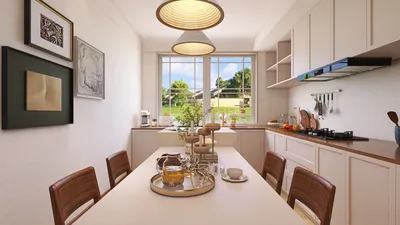


A stone wall can truly serve as the heart of a room, anchoring the color scheme, infusing texture, and bringing a sense of tranquility. A thoughtfully constructed DIY stone wall not only enhances the aesthetic appeal but also offers benefits like improved acoustics, durability, and better quality of light. Research by Gensler has shown that the choice of materials and visual intrigue significantly impact workplace performance, with a remarkable 89% of participants favoring spaces that inspire and feel well-designed. This principle extends to home interiors where textured surfaces contribute to comfort and focus. The WELL v2 standard further underscores the importance of sensory environments, tying in seamlessly with the natural matte finishes of stone.
The choice and arrangement of stone play a crucial role in shaping your auditory and spatial experience. According to studies by Steelcase, noise is a major distraction, and incorporating textured stone surfaces can help diffuse sound, especially mid to high frequencies, lessening echo compared to standard flat painted drywall—particularly beneficial in spaces with hard surfaces. For lighting, IES guidelines suggest an illuminance range of 100–300 lux for living areas; utilizing the fine texture of stone with layered lighting (like wall washing combined with accent lights) brings out depth yet avoids harsh highlights, perfectly aligning with WELL principles for glare control. I commonly recommend warm LED lighting around 2700–3000K for living rooms to enhance the natural hues of stone and minimize eye strain.
Design the Wall: Structure, Purpose, and Configuration
Before you begin laying stones, clearly define the function of the wall—will it serve as a stunning backdrop, surround a fireplace, or enhance a kitchen area? Plan your sightlines and traffic patterns, and ensure the substrate is sound (rigid; capable of supporting weight when necessary). If building over drywall, particularly in moisture-sensitive areas, consider using cement backer board and follow manufacturer guidelines for fastener spacing. To achieve a harmonious layout and proportionality, I typically adhere to a 60/30/10 approach—comprising 60% field stones, 30% medium accents, and 10% feature pieces—to maintain visual interest and rhythm. Implementing a room layout tool can aid immensely in visualizing patterns and furniture placement: room layout tool.
Selecting Materials: Natural or Veneer
Natural stone boasts unique striations, patinas, and variances, while manufactured veneer presents consistent thickness, lighter weight, and an easier installation process. For indoor DIY projects, adhered stone veneer (around 0.75–2 inches thick) is flexible and eliminates the need for structural support. If you desire a stacked appearance, ensure the stone's dimensional tolerance; tight joints demand uniform heights and square edges. For a rustic appearance, select stones with irregular shapes and blend multiple color tones for added depth. Sustainability is crucial: opt for locally sourced stone or veneer to limit environmental impact, and check for any VOCs present in adhesives or sealers.
Necessary Equipment and Setup
Essential tools include an angle grinder fitted with a masonry blade, a wet saw (optional for cleaner cuts), a margin trowel, notched trowel, hawk, pointing tool, masonry hammer, level, chalk line, mixing paddle, buckets, and personal protective equipment (N95 respirator, safety glasses, gloves, and hearing protection). Prepare a solid staging area, place protective coverings on the floor, and pre-sort stones by size and color. Ensure clean cuts and manage dust effectively, as cutting stone can create airborne particulate matter; proper ventilation and wet methods significantly reduce dust generation.
Substrate Preparation and Moisture Control
For indoor accent walls: remove any peeling paint, abrade glossy surfaces, and when necessary, install metal lath over a moisture-resistant barrier. Apply a scratch coat (typically 1/2 inch) and allow it to cure according to product specifications. In kitchens or near fireplaces, verify that veneer and adhesives can withstand heat; in areas prone to splashes, utilize cement board and waterproofing membranes behind the stone.
Mockup: Design, Flow, and Mortar Joints
Construct a 3–4 foot mockup on the floor to finalize your coursing and joint design. Mix longer linear pieces with shorter stones to avoid visual banding. I prefer establishing anchor stones at eye level and significant sightlines and then infilling. Keep joint widths uniform: tight stacking (2–4 mm) necessitates extremely flat backs; mortared joints (6–12 mm) allow for more flexibility. Regularly step back to assess; the wall should appear cohesive from various angles.
Adhesion: Mortar and Setting Techniques
Employ polymer-modified thinset or mortar intended for stone veneer application. Apply mortar to both the stone and substrate; press, slightly wiggle, and hold to ensure complete contact—voids can lead to unwanted sounds or separation later on. Check for plumb and level often. For stacked designs, stagger vertical joints by a third of the stone’s length to reinforce seams. At corner junctions, use L-shaped corner stones or miter cuts for continued surface continuity.
Grouting and Pointing Techniques
When working with mortared joints, fill them adequately and to slightly overfill, tooling back to achieve your desired finish—flush, recessed, or weathered. Recessed joints accentuate shadow lines, enhancing the texture when lit. Keep brushes and sponges nearby; dried mortar haze can be challenging to remove. For tight stack installations, forego grouting and concentrate on precise alignment and clean edges.
Illuminating the Stone: Wash, Grazing, and Accent Lighting
The true beauty of stone emerges under carefully planned lighting. Wall washers produce a soft uniform light, while grazing fixtures positioned 6–12 inches from the surface enhance texture—use them judiciously to prevent glaring highlights. Aim for general illumination around 100–300 lux per IES standards, complemented by 200–500 lux for focal areas like art displays or shelves. Maintain a color temperature in the 2700–3000K range for warmth; if your stone leans toward blue-gray, consider 3000–3500K to achieve neutrality without a cold feel. Manage glare with protective angles and dimmers.
Acoustic Properties and Comfort
While stone is generally reflective compared to softer acoustic panels, its irregularity helps scatter high-frequency sounds, mitigating echo in hard-surfaced rooms. To create a balanced sound environment, combine the wall with area rugs, upholstered furniture, and soft window treatments. Small niches or ledges can also disrupt sound waves while providing display opportunities.
Finishing, Sealing, and Maintenance Tips
Not all types of stone require sealing. In kitchens and near fireplaces, a breathable penetrating sealer helps resist stains and maintain the stone’s natural appearance. Avoid using glossy topical coatings, as they may trap moisture and appear artificial. Regularly dust with a soft brush and vacuum, and spot clean with pH-neutral products. If discoloration occurs, investigate ventilation issues, moisture sources, or lingering residues from prior treatments.
Fireplace and Heating Considerations
Verify clearances and thermal ratings for veneer systems around heating units or stoves. Employ non-combustible substrates and adhere to manufacturer guidelines around openings. Ensure there’s a small expansion gap around metal surrounds to accommodate thermal expansion during use.
Spatial Arrangement, Furniture Placement, and Sightlines
Once your wall is constructed, reassess furniture layout. Position major seating areas in line with the stone feature or create asymmetry using balanced lighting. Should you wish to play with traffic flow or TV positioning against a stone backdrop, consider using an interior layout planner to simulate options and avoid unnecessary drilling: interior layout planner.
Common Errors and Quick Fixes
Avoid over-patterning: mix varying stone sizes and rotate tones for a natural look. If you experience adhesion issues, scrape back to ensure a sound mortar base and reapply with full surface coverage. To counter harsh shadows, utilize wider beam angles or adjust fixture placements. Avoid flat visual effects within monotone palettes by introducing 10–15% contrasting stones to add depth without overwhelming the overall composition.
Frequently Asked Questions
For optimal lighting, aim for ambient levels around 100–300 lux per IES guidelines, supplemented with accent lighting at 200–500 lux to highlight texture. Warm LEDs between 2700–3000K will enhance most stone surfaces.
For indoor settings, using manufactured veneer is typically more manageable and lighter. Natural stone presents unique designs but may involve more cutting and require additional structural support.
To adhere the stones properly, use polymer-modified mortar, apply a layer to both surfaces, and press firmly with a slight wiggle. Temporary shims can help maintain levels during installation.
Due to its texture, stone can scatter high-frequency sounds, reducing echo in rooms. Enhance this by pairing the stone wall with soft furnishings for more comprehensive sound absorption.
For optimal visual results, consider using 3000–3500K lighting temperatures to prevent excessively warm shifts in color and maintain a natural surface appearance while allowing for dimming options to manage contrast.
In dry environments, you may apply veneer if you properly prepare the surface and follow manufacturer guidelines. In moisture-prone areas, ensure to use cement board and appropriate waterproofing measures.
Sealing is only necessary in kitchens, around fireplaces, or high-traffic areas. Using a breathable penetrating sealer can effectively prevent stains while preserving the stone's natural look.
Construct a floor mockup, vary the sizes of the stones, and ensure consistent joints. I recommend a blend of 60% field stones, 30% accent stones, and 10% feature pieces to keep visual dynamics intact.
Use wet cutting methods wherever feasible to limit dust production, ensure proper personal protective equipment is worn, and ensure adequate ventilation. An angle grinder with a masonry blade is efficient for making minor adjustments.
Typically, fixtures should be adjusted to about 6–12 inches away from the stone surface to mitigate hotspots. Experiment with placements before final decisions are made.
Darker, high-textured walls can create a heavier feel. Offset this by balancing with lighter adjacent surfaces and layering different light sources to maintain visual dynamism.
Utilize corner units that wrap the edges, or miter cut the stones to create a uniform appearance. Avoid stark color contrasts at corner joints for a seamless look.
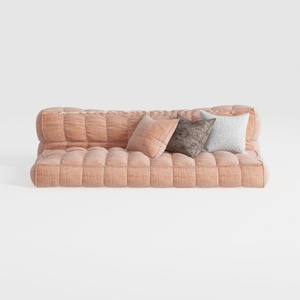

Minimalist Blush Fabric Tufted Contemporary Sofa 3D Model
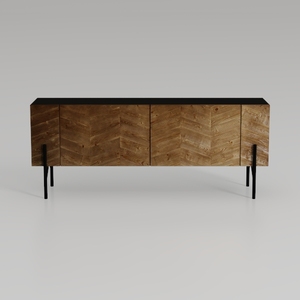
Modern Chevron Solid Wood Metal Sideboard 3D Model
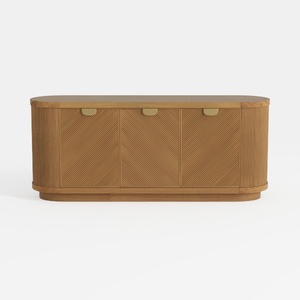
Modern Minimalist Solid Wood Fluted Sideboard with Brass Accents 3D Model
Homestyler is your go-to online home design platform! With its user-friendly design tool, stunning 3D renderings, and a wealth of DIY video tutorials, it's never been easier to turn your decoration dreams into reality. Start creating beautiful spaces today!
Desain sekarang Gratis
































