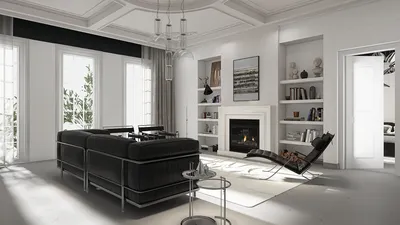


One memorable experience involved transforming a client's small studio with a vibrant lime green hue, which initially elicited a startled reaction but later turned to tears of joy as they experienced a newly expanded and uplifting atmosphere. This serendipitous moment taught me that when applied thoughtfully, bold colors can enchant small spaces. If you're interested in achieving a similar effect, I experimented with various concepts using an AI home design tool to assess potential risks before committing to any color on the walls.
1) Soft Lime Accent Wall
Choose a subdued lime—something reminiscent of lemon-lime mixed with a touch of gray—and apply it to only one wall. This approach adds depth without overwhelming the space. It’s budget-friendly and harmonizes wonderfully with light wood and white accents; just ensure you opt for a tranquil shade to avoid any neon-like effect.
save pin
2) Two-Tone Horizontal Band
Paint the lower third of the wall with a darker lime and keep the upper section neutral to create the illusion of higher ceilings. I implemented this method in a narrow hallway where the band not only concealed scuffs but also brightened the path for movement; however, precise taping is essential for a sharp appearance.
save pin
3) Lime Pop in the Kitchen
Incorporate lime as an accent in your kitchen's backsplash or within open shelving to infuse character into a simple design. It pairs excellently with matte black fixtures and butcher block countertops; for spatial planning in tighter layouts, I suggest using a layout preview with a tool like Homestyler to ensure the cabinetry remains visually appealing.
save pin
4) Lime + Natural Wood Warmth
Combine lime walls with oak or rattan furniture to soften the color’s boldness. The warmth that natural wood brings counteracts the potentially cold feel of lime; conversely, lime may not blend well with ultra-modern styles defined by chrome unless you introduce warmer elements into the mix.
save pin
5) Bathroom Refresh with Lime Trim
Rather than covering entire walls, consider lime accents on trims, window frames, or the base of a vanity to introduce freshness without the worry of excess moisture. Since you're only painting smaller areas, there’s less paint required and easier touch-ups. I frequently create a quick mockup for clients, sometimes using a 3D rendered room from tools like Homestyler to visualize how the color interacts with bathroom lighting.
save pin
Tips 1:
For walls, select a semi-matte finish as it's more forgiving, while satin works best on trims. It’s advisable to test paint swatches at different times throughout the day and always try out a 12x12 sample before making a final decision.
save pin
FAQ
Q1: Is lime wall paint suitable for small rooms?
A1: Absolutely! Lime can invigorate small spaces and create an illusion of depth and vibrancy when used appropriately as an accent or paired with neutral tones. Opt for muted shades if you prefer a more subtle approach.
Q2: What is the best finish for lime paint?
A2: A semi-matte finish is ideal as it conceals imperfections and minimizes glare, while high gloss should be saved for trims and cabinets. Satin finishes perform well in areas prone to moisture.
Q3: Will lime paint clash with wooden furniture?
A3: Generally not; natural woods such as oak or walnut can warm up lime hues and establish a harmonious color scheme. However, be cautious of pairing lime with excessively cool metals unless you include warm accents for balance.
Q4: How much does it cost to paint a room lime?
A4: Prices can differ based on location and brand, but utilizing lime as an accent typically reduces both paint volume and labor costs. Be sure to allocate a budget for a quality primer when covering darker or previously painted surfaces.
Q5: Can lime be used effectively in a kitchen backsplash?
A5: Yes, provided it is properly sealed or positioned behind glass. Opting for tile or waterproof panels will enhance durability and facilitate cleaning.
Q6: How can I prevent lime paint from fading?
A6: Utilize UV-resistant paint formulas and high-quality primers; position lime-painted walls away from harsh direct sunlight whenever feasible and choose lightfast pigments to maintain vibrancy.
Q7: Are lime paints safe for indoor use concerning VOC levels?
A7: Many low-VOC and zero-VOC lime paints are available; for health-related inquiries, always check the product labels. According to the U.S. Environmental Protection Agency (EPA), selecting low-VOC paints can help minimize indoor air pollutants (https://www.epa.gov).
Q8: Any quick tips for gradually incorporating lime into my décor?
A8: Start small with accessories or a single lime-painted shelf before fully committing to walls. It’s a cost-effective and reversible approach that provides a clear sense of scale and impact.
save pin
Discover your design potential with Homestyler! This intuitive online platform offers a powerful design tool, stunning 3D renderings, and a wealth of inspiring projects and DIY video tutorials. Perfect for anyone looking to transform their space, no experience needed!
Дизайн сейчас бесплатно
































