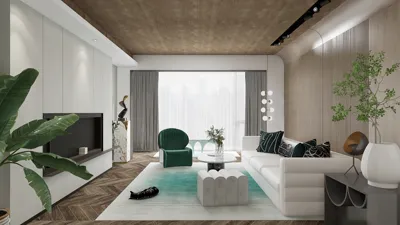


In a memorable project, I transformed a studio apartment into a light blue haven, inspired by a client's dream of seaside living. However, mid-project, we realized that selecting the right furniture scale was essential; otherwise, the apartment risked resembling a cramped cruise cabin. This experience taught me that light blue walls can create a soothing atmosphere—but careful planning of the surrounding elements is also crucial. To visualize how your furniture will fit before painting, consider utilizing tools like Homestyler to save both time and paint.
1. Utilize light blue as a neutral base
In small living spaces, I prefer using pale, desaturated blues such as powder blue or cloud blue as a neutral backdrop; they offer the soft qualities of gray while infusing warmth and character. The beauty of this color choice is its versatility with various wood tones and metallics. However, be cautious of creating a ‘nursery’ appearance—incorporate textured throws and contrasting rugs to achieve balance.
save pin
2. Pair with warm woods and brass details
One of my favored combinations includes light blue walls complemented by honey oak flooring and brass accents—this pairing nurtures a cozy atmosphere rather than a stark one. If you're on a budget, consider updating hardware and lamps instead of undertaking a complete redesign; just be alert to the fact that overly yellow woods can clash, so make sure to test samples together in varied lighting.
save pin
3. Add depth with a darker accent wall or trim
Introducing a darker hue on one short wall, like deep teal or navy, can anchor the space, allowing the light blue to feel more layered. I implemented this technique in a compact bedroom recently, achieving a thoughtfully designed look. However, be mindful that a bold accent may restrict future decorating changes, so select a shade you’ll enjoy for years. For kitchen design, tools like Homestyler can help you optimize layouts while testing color combinations.
save pin
4. Use lighting to enhance the ambiance
Light blue has a transformative quality: warm bulbs cast a soft, inviting glow, while cool LEDs can bring out a stark, icy effect. I always prepare a lighting scheme for clients, including overhead, task, and accent lighting, to maintain control over how the color appears at different times of the day. Remember, the direction of natural light significantly influences the perception of color, so sample paints on multiple walls and observe them throughout the day.
save pin
5. Incorporate patterns and textures for a lived-in feel
To prevent light blue from appearing flat, introduce patterned textiles such as striped cushions, subtle florals, or woven rattan. In a small dining nook, I combined painted walls with a patterned banquette, instantly creating a curated look rather than a cold one. For a thorough assessment, I often let clients preview the entire space in 3D using Homestyler to appreciate scale and texture—sometimes a simple rug change can dramatically transform the ambiance.
save pin
FAQ
Q1: Are light blue walls a good option for small rooms?
Absolutely! Light blues reflect light, making spaces feel more expansive, especially when combined with compact furniture and layered lighting.
Q2: Which trim color complements light blue walls best?
White or off-white trims are safe bets that enhance the blue's vibrancy; for a cozier atmosphere, warm cream trim can beautifully complement the hue without excessive contrast.
Q3: Will light blue create a cold feel in a room?
It can feel chilly if paired solely with cool materials; balance it with warm woods, fabrics, or warm-toned bulbs to create an inviting atmosphere.
Q4: How do I select the perfect shade of light blue?
Always test large swatches against different walls, considering how they look in morning and evening light. It's also wise to place samples next to permanent fixtures like flooring or cabinetry to ensure cohesion.
Q5: Are there recommended paint finishes?
Eggshell or satin finishes are forgiving on walls and easy to clean; for doors and trim, semi-gloss offers durability and contrast.
Q6: Can light blue be used in kitchens and bathrooms?
Certainly! Light blue can evoke freshness in kitchens and a serene, spa-like quality in bathrooms. Just choose washable, moisture-resistant paint to withstand splashes in those areas.
Q7: Are low-VOC paints essential for bedrooms with light blue walls?
Choosing low-VOC or zero-VOC paints is advisable for bedrooms and living areas to promote better indoor air quality; the U.S. EPA provides guidelines on selecting paints with lower emissions.
Q8: How can I refresh a room without a full repaint?
Consider swapping in new textiles, changing light fixtures, or repainting just one accent wall—small updates can provide a whole new look without the hassle of a complete revamp.
save pin
Discover the ease of home design with Homestyler! This online platform offers an intuitive design tool, stunning 3D renderings, and a wealth of inspiring DIY video tutorials. Perfect for anyone looking to transform their space, whether you're a novice or a seasoned designer!
Progetta ora GRATIS
































