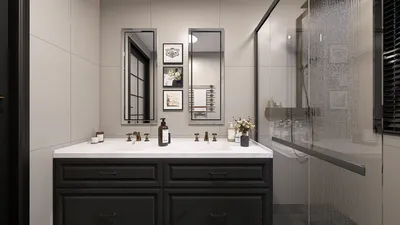


With over a decade of experience in designing compact homes and micro-apartments, I've discovered that paint color is one of the quickest ways to change how a space feels, influences mood, and dictates function. Choosing the right color palette can create an illusion of space in narrow rooms, manage daylight balance, and resonate with your lifestyle beyond the pure aesthetics of a paint chip. In small living environments, paint plays a crucial role not just as decoration but as an essential element of spatial design, making Homestyler a perfect tool for visualizing such transformations.
When selecting colors, it's important to consider real-world data regarding light dynamics and human behavioral responses. WELL v2 highlights the significance of glare control and quality of light for both health and productivity. Its Light concept emphasizes that proper lighting conditions and spectral quality have a direct impact on visual clarity and comfort; combining high light reflectance value (LRV) paints with the right color temperature helps achieve a well-balanced brightness. Research by Steelcase indicates that environments that promote cognitive focus can alleviate stress and enhance task efficiency, particularly in compact spaces where visual load is already high. According to Verywell Mind, color psychology suggests that shades of blue typically evoke feelings of calmness and stability, greens are linked to restoration, and yellows convey energy—these insights can serve as effective guidelines for zoning in small homes.
Transforming Perception Through Paint in Small Spaces
Compact areas are particularly responsive to elements like contrast, brightness, and saturation. High LRV whites and off-whites can visually push walls outward, while subtle mid-tones create quiet depth without causing visual chaos. It’s advisable to maintain wall and ceiling colors within a narrow value range in elongated rooms to minimize visual interruptions, allowing the space to appear more expansive. If designing your furniture layout, utilizing a room design tool like Homestyler can illustrate how color choices and placements influence sightlines and movement flows.
Reliable Neutrals That Always Look Great
• Soft warm white (LRV 82–90): This color reflects light generously, diminishes shadows, and contributes to an airy atmosphere in small rooms. Combine with 3000–3500K lighting to avoid harsh glare.
• Gentle greige (LRV 60–70): This shade is ideal for busy areas, providing warmth without making the space feel cramped.
• Mist gray (LRV 70–78): This low-contrast option is perfect for modern minimalism, fostering serenity and visual organization. It pairs beautifully with matte finishes to minimize glossy highlights.
Cool Color Schemes for an Illusion of Space
Cool colors tend to recede visually, making walls seem further away. A light blue with hints of gray can mitigate the warmth of afternoon sunlight, enhancing comfort and visual equilibrium. Pale sage green adds biophilic aspects—linked with restoration—while keeping intensity low to avoid overwhelming the senses. In compact bedrooms, a subtle slate-blue accent painted behind the headboard adds depth without becoming overpowering.
Warm Color Schemes for Cozy Spaces Without Clutter
Warm hues create inviting environments, ideal for areas like dining nooks and entrances. Opt for them judiciously: a soft sand or low-saturation camel shades preserve intimacy while not visually confining the space. In micro kitchens, using a gentle neutral (avoiding bright yellow) can uplift the mood, while maintaining a narrow value range for continuity.
Ceilings, Trim, and Doors: The Geometry of Subtlety
In compact homes, ceilings benefit from subtle variation, ideally shifting by 5–10% warmer or cooler than the walls to create the illusion of height. When ceilings are low, matching their color to the walls in a flat finish can reduce perceived boundary lines. For trim elements, maintaining minimal contrast—just one tone lighter or darker—helps avoid the ‘stripe effect’ that can diminish wall height. Consider painting doors the same color as the walls for a seamless look or using a deeper shade to anchor circulation paths.
Controlling Sheen and Light for Comfort and Style
Opting for matte and eggshell finishes minimizes glare, a consideration underscored by the WELL Light concept and guidance from IES on visual comfort. In compact areas with various light sources, higher gloss can accentuate hot spots and create visual clutter. Limit the use of satin finishes to high-touch trim or cabinetry, opting for matte on walls to enhance the visual cohesion of your surroundings. Pair your paint choices with LED lighting in the range of 2700–3500K for living areas and 3500–4000K for work zones; this ensures consistent color rendering throughout your daily tasks.
Color Zoning Techniques for Micro-Living Space
In small homes where functions often overlap—living, working, and dining—color zoning involves subtle shifts in hue or value to establish behavioral cues without erecting physical barriers. Using soft gray in the living zone, a moss-tinged neutral for the dining space, and a calming cool-toned area for work can effectively guide activity and movement. Modeling furniture placements with a visualization tool like Homestyler can help simulate flows and sightlines prior to painting.
Understanding Natural Light, Orientation, and Seasonal Changes
Rooms facing north can benefit from warmer whites or soft creams to balance out cooler natural light. Conversely, south-facing rooms, which are often full of bright light, can accommodate cooler neutrals to soften stark contrasts. East-facing spaces emit warm light in the morning, making soft blues or muted greens suitable throughout the day. West-facing areas experience heightened warmth as the evening approaches; hues like misty gray or gentle greige can stabilize color rendering throughout this time.
Compact Kitchens and Baths: Addressing Moisture, Cleanability, and Hue
In tight kitchens and bathrooms filled with fixtures, smooth and low-contrast color palettes maintain a functional focus. For bathrooms, consider using pale aqua-gray or warm white with a hint of blush to soften sharp tile edges. In kitchens, keep walls light and allow cabinetry to showcase color choices—sage, dusk blue, or earthy tones—all with a satin or semi-matte finish for easy cleanup and reduced glare.
Accent Strategies: Adding Depth Without Fragmentation
In smaller living spaces, accent walls are most effective when they elongate the area: choose the wall opposite the entryway to draw the gaze forward. Keep accent colors two to three shades deeper than the main chosen hue and lean towards cooler tones for an expansive feel. Implementing vertical color blocking from floor to ceiling can visually elevate the ceiling height, while horizontal bands have the potential to lower it.
Material Combinations and Sustainability Considerations
Paint interacts beautifully with texture; muted cool colors work well with finer woods, while creamy neutrals suit coarser stones, softening shadow edges. When selecting products, aim for low-VOC and durable finishes that will extend the period between repaints. For sustainable options, material libraries like Material ConneXion can be invaluable resources for coatings and substrates; referring to such databases ensures your choices are forward-thinking and practical.
Lighting and Acoustic Design Considerations
Color is deeply affected by lighting. Layer ambient, task, and accent lighting to add visual dimension to your paint choices. To enhance acoustic comfort, prevent extreme contrast near absorbing materials; darker shades around soft finishes can make spaces feel smaller. Maintaining a balanced use of mid-tones preserves perceived scale while accommodating acoustic enhancements.
My Favorite Palettes for Small Homes
• Airy Neutral: Warm white walls (LRV ~88), flat ceiling in the same hue, with trim one value lighter; 3000K for ambient lighting, and 3500K for task lighting.
• Soft Scandinavian: Mist gray walls (LRV ~75), pale pine accents, with a slate-blue niche; matte walls and satin trim for contrast.
• Restorative Green: Desaturated sage walls (LRV ~65), warm white ceiling, and grounding clay-beige textiles.
• Coastal Cool: A pale blue-gray backdrop, a deeper blue accent on the far wall, combined with linen drapery for added softness.
Execution Tips and Testing Strategies
Always test large paint samples on multiple walls and observe them throughout a full day. Evaluate with your actual light temperature to avoid surprises. It’s beneficial to create soft transitions at corners and consider extending wall colors onto doors and built-in fixtures for a unified aesthetic.
Expert Insights
Insights from workplace environments translate well into home office design. Steelcase's research highlights the importance of cognitive ergonomics in color selection and spatial arrangement. The WELL v2 Light concept provides precise guidelines for glare control and light strategies that can enhance the comfort and safety of compact spaces—both of these resources inform superior paint choices for homes where multiple functions coexist.
Frequently Asked Questions
Q1: Which paint color will make my small living room appear larger?
A1: Utilizing high-LRV warm whites or mist grays can visually expand the space. Maintain close values between walls and ceilings to minimize boundary lines, and incorporate 3000–3500K lighting to avoid harsh visual contrasts.
Q2: Should ceilings be painted lighter than walls in a compact home?
A2: Generally yes. You can either match the wall color in a flat finish to minimize edges or opt for a slightly lighter shade to create an uplifting effect without highlighting the ceiling.
Q3: What colors should I choose for a small north-facing room?
A3: Warm tones such as creams, soft greige, or pale beige work well to counteract the cooler daylight and keep the room feeling inviting.
Q4: Can bold colors be effective in compact spaces?
A4: Yes, but in controlled applications. Use low-saturation variants and position accents on the far wall to elongate sightlines instead of fragmenting the space.
Q5: What is the best sheen for small rooms?
A5: Matte or eggshell finishes help reduce glare and visual clutter; save satin for trim elements. Brighter finishes can create hotspots, leading to a busier feel.
Q6: How does color impact productivity in a compact home office?
A6: Using muted cool tones (like soft blue-gray or pale sage) can enhance focus and minimize visual distractions, aligning with findings that environments that limit interruptions boost cognitive effectiveness.
Q7: What impact does lighting temperature have on paint?
A7: Warmer lighting (2700–3000K) enhances warm palettes, while neutral-cool (3500–4000K) supports task clarity. It’s crucial to test paint samples under your actual lighting conditions to ensure true representation.
Q8: How can I manage trims and doors to maintain a cohesive look?
A8: Keep the contrast minimal—trim should be one value step from the walls—and contemplate painting doors the same color as the walls to ensure they blend in seamlessly.
Q9: Are green tones suitable for small bedrooms?
A9: Desaturated shades like sage or olive-gray can provide a calming and restorative effect without overpowering the small space. Pairing them with soft whites and matte finishes enhances tranquility.
Q10: What is the best strategy for small bathrooms?
A10: Soft, low-contrast palettes such as warm white or pale aqua-gray reduce stark lines. Using moisture-resistant finishes in satin helps balance cleanliness with light management.
Q11: How does color zoning benefit studio apartments?
A11: Subtle shifts in hue or value can delineate functional areas—cooler tones for workspaces, warmer neutrals for social zones—while avoiding the need for partitions. Soft transitions allow for an uninterrupted sense of space.
Q12: How can I avoid color feeling flat in a compact area?
A12: Implement layered lighting strategies (ambient, task, accent), introduce texture with textiles and wood elements, and utilize controlled pops of color to develop depth while keeping a unified palette.

Minimalist Clear Acrylic Rectangular Coffee Table 3D Model


Minimalist Boucle Fabric Large Sofa 3D Model
Discover your inner designer with Homestyler! This user-friendly platform offers an intuitive online design tool, stunning 3D renderings, and a wealth of DIY video tutorials. Whether you're redesigning a room or starting fresh, Homestyler empowers you to visualize and create your dream space effortlessly!
Projete agora para LIVRE
































