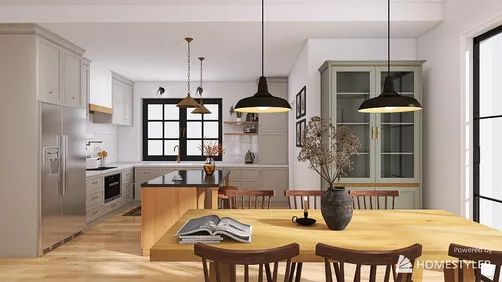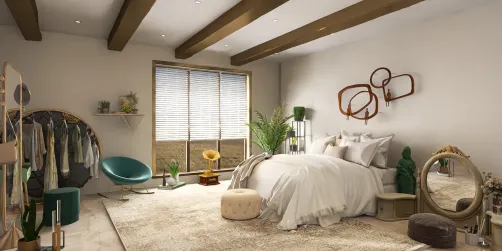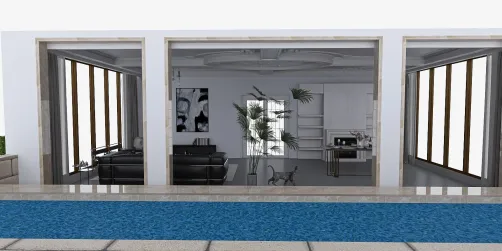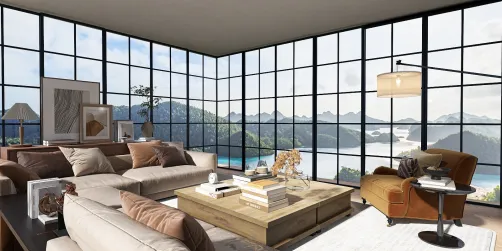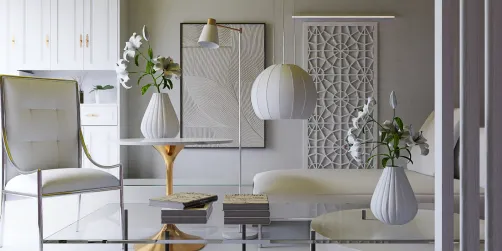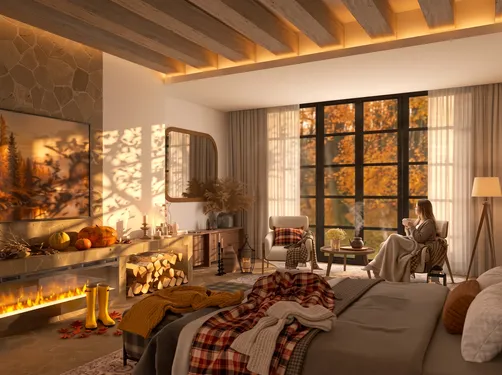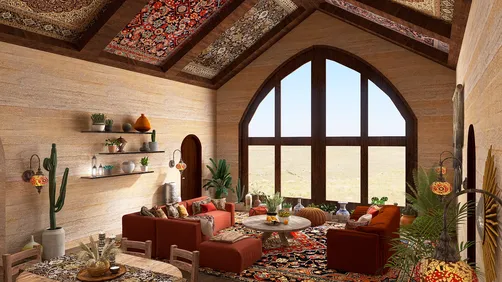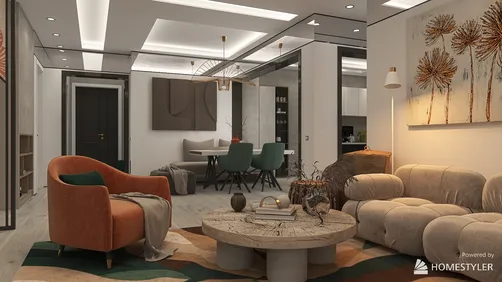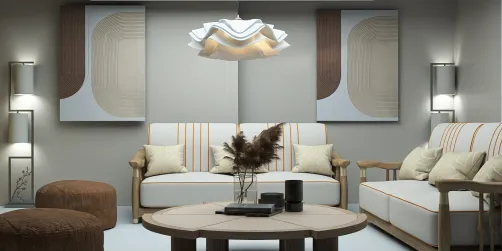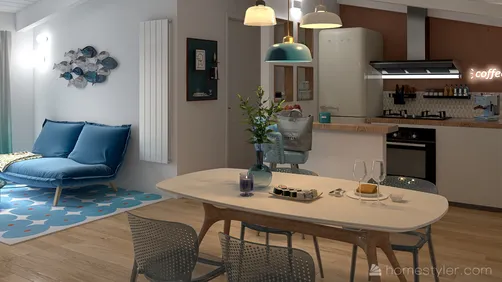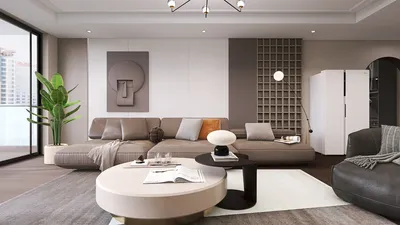



I once had a client who envisioned a unique blue that appears grey at night and bright by day, all while hoping to evoke the charm of a Parisian studio in their compact living room. It made me chuckle and shed a tear, but then I utilized Homestyler to create a 3D mockup that illustrated the transformative power of light. Instantly, the atmosphere relaxed, allowing us to make confident design decisions.
Small areas can ignite immense creativity, and a blue-grey hue for house paint stands out as a color that can subtly enhance any room. Here, I will share five practical strategies I’ve employed in real projects, complete with useful tips, minor compromises, and budget-friendly hacks drawing from my ten years of experience in kitchen and apartment renovations.
1. Combine warm wood with cool blue-grey
Using blue-grey walls alongside warm oak or walnut accents results in a harmonious, lived-in aesthetic. The warmth from the wood prevents the cool tone of the paint from appearing too sterile, which is particularly beneficial in open-plan spaces — however, it's essential to remember that darker woods require stronger contrasts and more light for balance.
Tip: Test paint swatches against your cabinetry at various times throughout the day; blue-grey can shift more dramatically than anticipated.
save pin
2. Two-tone walls for added vertical interest
Painting the lower half of the wall in a deep blue-grey and the upper half in a gentle white maximizes height without the need to repaint the baseboards. This sophisticated technique also conceals marks in high-traffic areas, although it demands careful tape application or the inclusion of a decorative trim.
Budget note: adding a midrail or picture ledge introduces charm without significant cost, helping to break the color in a controlled manner.
save pin
3. Implement blue-grey in transitional areas such as kitchens
In compact kitchens, a muted blue-grey on walls or backsplash tiles provides a calming frame for shiny cabinets and stainless steel appliances. I frequently demonstrate kitchen layouts with paint samples, as viewing the color in context helps avoid expensive mistakes later on.
Small challenge: glossy finishes tend to reflect underlying color tones, so it’s advisable to test samples on both matte and semi-gloss surfaces.
save pin
4. Accent ceilings and small architectural features
Applying a soft blue-grey on the ceiling can create a cozier atmosphere while still guiding the eye upward; this choice is bolder than plain white yet less daunting than a deep navy. I utilized this technique in a studio where the owner sought intimacy without the room feeling cramped — it was effective, but it did lower the perceived ceiling height in very low spaces.
Pro tip: Combine with warm metallics such as brass or aged gold to impart a luxurious vibe without heavy expenditure.
save pin
5. Layer various textures and reflective surfaces for added depth
Blue-grey harmonizes beautifully with linen fabrics, matte ceramics, and shiny finishes — layering these elements keeps the color lively. For compact homes, I advise selecting lighter blue-greys with satin finishes and numerous reflective accents to amplify light; utilizing tools like Homestyler can even generate AI-based suggestions to visualize combinations prior to painting.
Downside: excessive reflective surfaces combined with a cool color may create a chilling effect, so incorporate rugs and wooden elements to soften the overall appearance.
save pin
FAQ
Q1: What is a favored blue-grey exterior paint?
I typically suggest sampling mid-tone blue-greys from collections like the Oxford or Slate. Be sure to order outdoor samples and observe them during different times of the day before making a decision.
Q2: Can blue-grey give the illusion of shrinking a small room?
Not necessarily — lighter shades of blue-grey may open up a space, while darker, richer blues tend to provide a cozier vibe. Light reflectivity and finish (matte versus satin) are significant factors.
Q3: Should trim be white or a deeper grey?
White trim presents a crisp contrast and a timeless appearance, while a darker grey achieves a contemporary, cohesive atmosphere. My decision hinges on the furniture hues and the desired architectural definition by the client.
Q4: How do I determine undertones effectively?
Bring paint samples home and view them under your own lighting conditions — cool LED lights can shift blue tones differently than warm incandescent bulbs. Sample placement on all four walls, if feasible, is beneficial.
Q5: Are blue-greys a viable option for kitchen spaces?
Definitely — they pair well with both wood and metal finishes. For utility areas, look for washable options and monitor how grease and steam affect sheen over time.
Q6: Is it possible to receive professional color advice online?
Yes, certain platforms provide AI-enhanced color suggestions and visualization tools; these can help you preview palettes before purchasing paint. For more complex projects, consider combining these online resources with in-person samples.
Q7: Where can I find authoritative guidance on selecting paint colors?
Sherwin-Williams and Benjamin Moore both offer extensive color libraries with lighting considerations; for specific advice, check out Sherwin-Williams' color resources at https://www.sherwin-williams.com/homeowners/color.
Q8: What is the recommended number of paint samples to try?
At least three options: one light, one medium, and one dark variant from the same color family. Position them in various locations and observe them over several days to see how they appear in real life.
Homestyler's roots trace back to Autodesk, the global leader in design and engineering software. That heritage lives on in every feature we build. Today, with a community of more than 20+ million registered users (platform data, 2026) worldwide, Homestyler continues to make professional-quality interior design accessible to everyone — from first-time decorators to seasoned architects.
Homestyler is your go-to online home design platform! With its user-friendly design tool, stunning 3D renderings, and a wealth of inspiring design projects and video tutorials, you can easily create your dream space. Start designing today and transform your home with confidence!
Zaprojektuj teraz za darmo






![[14]](https://hs-designs.homestyler.com/production/design/images/2026-09-12/aa817543-bb43-4f3a-9583-2b2473af620f/1789226165872/10757139.jpg?x-oss-process=image/resize,w_502,m_mfit/format,webp)