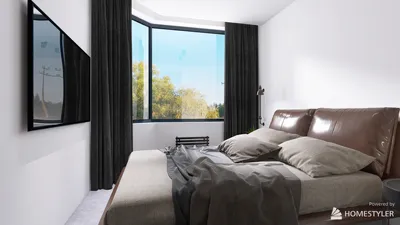


I once had a client who wanted to paint one half of the wall teal and the other half moss green, referring to it as a ‘two-season wall’. Initially, I considered declining, but then I recognized that taking bold risks can reveal essential lessons about balance. Typically, I start with a simple sketch of the room layout to explore how different color areas influence lighting and furniture arrangements. Using tools like Homestyler can enhance this visualization process.
Compact spaces can ignite immense creativity. Here, I present five blue-and-green design inspirations that I've successfully implemented in real projects, along with practical trade-offs and budget-friendly suggestions, making it easy for you to try these ideas at home.
1. Warm Neutrals with Teal and Sage Accents
I prefer beginning with warm neutrals such as linen and warm gray, then introducing teal pillows and a sage throw. This approach offers serene cohesion: blue adds depth while green infuses freshness. The key challenge lies in selecting the right undertones, so testing paint swatches near your bed throughout the day is essential for achieving the desired effect. Utilizing design platforms like Homestyler can be beneficial for visualizing your space before making final choices.
save pin
2. Navy Background with Emerald Accents
A matte navy wall behind the bed enhances the vibrancy of emerald accents without overwhelming the space. This design choice is dramatic yet cozy, perfect for evenings. However, be cautious of the room appearing smaller; balance it out with reflective elements such as a brass lamp or a glossy nightstand.
save pin
3. Soft Pastel Blues and Mint for a Tranquil Oasis
For a soothing retreat, using pastel blue walls and mint fabrics creates a spa-like ambiance, ideal for bright small bedrooms. I frequently utilize quick 3D visualization mockups, like those available on Homestyler, to ensure fabric and wall colors harmonize well. Be mindful that very pale shades can show stains easily; thus, opting for washable materials in high-traffic areas is advisable.
save pin
4. Tropical Vibes with Chartreuse and Teal Patterns
On a budget, consider introducing a bold patterned cushion or a botanical print featuring teal and chartreuse. This approach provides an instant personality boost and is simpler to update than wallpaper. However, be cautious of excessive patterns; limit prints to one or two focal points while keeping bedding neutral.
save pin
5. Modern Monochrome with Blue-Green Textures
Utilizing a narrow color palette, such as slate blue to seafoam, allows texture to play the starring role through woven rugs, linen draperies, and brushed-metal lighting. This minimalist style is sophisticated and adapts beautifully to compact rooms due to its smooth visual flow. If you're keen to experiment swiftly, try creating an AI-generated design mood board with Homestyler for immediate inspiration; just be prepared to adjust details for real-life implementation.
save pin
Tips 1:
Experiment with paint samples on movable poster boards and observe them in various lighting conditions. Invest in a standout textile, like a rug or duvet, and design around that. For renters, peel-and-stick options and interchangeable cushions can be lifesavers.
save pin
FAQ
1. Which shades of blue and green complement each other most effectively?
Mid-tone blues such as teal and slate harmonize well with muted greens like sage and moss. Aim for one primary color and a secondary accent to prevent visual clash.
2. Can blue and green colors create the illusion of a larger space in a small bedroom?
Absolutely—utilizing lighter, cooler tones reflects light, while a consistent color scheme creates visual flow, making the room appear more spacious.
3. How can I effectively balance patterns with solid colors?
Keep patterns confined to a single focal area, such as a headboard or rug, while maintaining solid hues in other elements to avoid a chaotic appearance. Pair large designs with smaller, subtler patterns for best results.
4. Are some finishes preferable for blue-green interiors?
Matte walls complemented by a few glossy elements, like metal or glass, provide depth without overwhelming the senses. Incorporating natural textures such as linen and wood can warm up cooler tones beautifully.
5. How do I select fabrics that won’t fade in blue and green settings?
Opt for high-quality, colorfast fabrics and check the rub or wash ratings on labels; only display delicate dyes for short durations under direct sunlight.
6. Can I achieve an affordable update using this color palette?
Refresh your space by swapping pillows, adding an inexpensive throw, or updating artwork to infuse color. Small adjustments like a painted shelf or a new lampshade can significantly impact without a hefty price tag.
7. Is it feasible to combine warm wood tones with a blue and green scheme?
Definitely—warm woods, like oak or walnut, enhance blue-green palettes by introducing warmth and grounding the room.
8. Are there authoritative resources for selecting color combinations?
Yes—Pantone's Color Institute offers seasonal insights and pairing guidance; many designers refer to Pantone for reliable, professional recommendations (see Pantone.com).
save pin
Homestyler is your go-to online platform for home design! With its user-friendly design tool and stunning 3D renderings, you can easily visualize your ideas. Plus, explore a variety of inspiring design projects and DIY video tutorials to elevate your home decor game. Start creating today!
立即免费设计
































