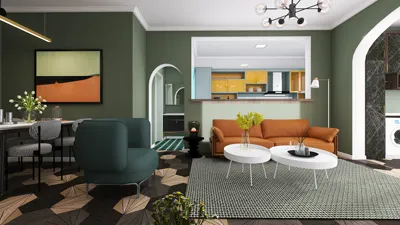


Transforming simple spaces into unforgettable party venues is a delightful challenge. The secret lies in establishing a clear spatial intention: determine the pathways for guests, areas for gathering, and spots for relaxation, then enhance that flow with appropriate lighting, materials, and sound management. When executed effectively, even smaller areas can appear curated and spacious—as a result, the atmosphere becomes vibrant just when it is needed most.
Prior to finalizing your design choices, it's crucial to base your decisions on insights related to comfort and human behavior. According to WELL v2 standards, social areas should feature ambient light levels between 150–300 lux to minimize eye strain and facilitate relaxation, while task zones such as bar service and serving stations should aim for 300–500 lux for better visibility. The Illuminating Engineering Society (IES) recommends a typical lighting range of 10–30 footcandles for hospitality settings, striking a balance between ambiance and practicality. When arranging spaces, ensure aisles are around 36 inches wide to prevent crowding, maintaining an ergonomic standard that avoids congested areas.
Understanding guest interactions is crucial. Research from Steelcase emphasizes the importance of various seating arrangements and micro-environments to keep guests engaged; in a party setting, this can mean incorporating different seating heights and areas designated for conversation, snacking, and relaxation. The colors used in your space can also affect mood; according to Verywell Mind, warmer shades such as soft amber or coral are inviting and uplifting, while cooler tones help maintain a calmer atmosphere. Accentuate entry points and bars with warmer shades to create energy, while using cooler colors in quieter areas to achieve balance.
Establish Your Spatial Intentions
Begin with a straightforward set of spatial goals: create a welcoming area, a social hub, a peaceful retreat, and a well-defined service path. In smaller spaces, this often breaks down into three specific zones: (1) an entry area with a coat rack and a drink station, (2) a gathering zone with seating such as sections or banquettes, and (3) a cozy corner with softer lighting and acoustic elements. Design circulation to create a loop, ensuring guests keep moving, preventing the space from becoming congested. If you're uncertain about your arrangement before buying furniture, consider using a layout tool like Homestyler to visualize seating and service routes.
The movement around the social core should flow smoothly, rather than cutting through it. Maintain a minimum of 30–36 inches behind seating arrangements; lighter pieces such as stools and small side tables can be floated for adaptations during the event. Position service areas (like a bar cart or appetizer table) around the edges, keeping the central area focused on conversation while maintaining practicality around the perimeter.
Creating Mood and Functionality with Lighting
Layer your lighting just as you would layer music for a festive gathering. Ambient lighting establishes the primary atmosphere (150–300 lux), accent lighting highlights specific features (such as decorative shelves, art pieces, and floral arrangements), and task lighting supports practical activities like mixing beverages or plating food. Dim the lights to about 70–80% of full intensity for a cozy ambiance once guests arrive, then slightly increase the accent lighting for added sparkle. To avoid glare issues, use diffusing bulbs and shield direct sightlines; ensure that luminance contrast is gentle at eye level to reduce visual fatigue.
The color temperature of your lighting is essential. Warm white lighting (2700–3000K) creates an inviting atmosphere for intimate gatherings, enhancing skin tones and making food look appealing. Ensure a Color Rendering Index (CRI) of 90+ at the bar and buffet to guarantee accurate color representation. For a candlelit vibe without actual flames, opt for smart warm-dim bulbs and indirect lighting styles placed behind shelves or underneath banquette edges. Refer to IES guidelines for recommended lighting ranges and best practices for glare prevention. For broader wellness criteria concerning light, sound, and materials, consider the valuable benchmarks provided by WELL v2.
Enhancing Acoustic Comfort in Limited Spaces
To keep conversations lively in compact settings, it's important to reduce acoustic fatigue. This can be accomplished by incorporating soft surfaces strategically, such as area rugs under main seating clusters, upholstered sofas, and fabric-covered panels. If possible, include textile or wooden ceiling elements. Opt for absorptive art pieces (canvas over glass) and book spines. Position harder surfaces towards the outer edges and soften them with drapery.
Below the voices, music should provide a mellow background, rather than overpowering conversations. Commence with a base track volume that allows guests to speak comfortably, increasing the volume only as the gathering density rises. Use multiple smaller speakers spread throughout the area to avoid excessively loud spots; it’s more effective to distribute sound sources than rely on a single loudspeaker. Keep the sounds of the bar area slightly away from the main conversation zone to mitigate high-frequency sounds.
Furniture Selection and Flexible Arrangements
Select furnishings that visually lighten the space. Look for slim-armed sofas, open bases, and tall silhouettes. Low-back banquettes can line the edges, creating more open space in the center. Nesting tables and stackable stools provide versatility, allowing you to adjust the setup as needed. Steer clear of larger coffee tables that disrupt flow; consider using two small drum tables that can be separated to accommodate serving trays.
For optimal seating arrangements, a compact L-shaped banquette measuring 60–72 inches can comfortably accommodate 3–4 guests; add two stools and a lounge chair to increase the total to 6–7 without overcrowding. Place a folding bistro table near the bar for extra dining space, which can be stowed away afterwards. If your event includes a dance segment, consider placing a central rug and moving it aside after the first hour. Utilizing a design tool like Homestyler to experiment with different room layouts and guest traffic patterns can be beneficial when planning your space.
Utilizing Color Psychology to Set the Atmosphere
Harness color as a tool to orchestrate energy levels. Warm accent colors (terracotta, honey, garnet) should be used in high-energy zones like the entryway, bar, and social core. Opt for cooler shades (sage, dusk blue) in the quieter corners to instill calmness. Research on color associations by Verywell Mind supports this observation: warm hues enhance social interaction, while cooler tones promote tranquility. Use neutral tones (soft taupe, warm gray) for larger surfaces to maintain visual harmony, and then let textiles and floral arrangements introduce varying moods.
If your party theme is bold, aim to contain it: utilize one wall or ceiling with a strong color while keeping furnishings understated. In smaller areas, two richly tinted surfaces are typically the upper limit before overwhelming the space visually. Consider using metallics—like brushed brass or aged bronze—to enrich the warmth of candlelight without glare. Limit mirrors to avoid visual clutter; they can be used sparingly to bounce light and create depth.
Choosing Materials with Sustainable Considerations
The materials you choose play a dual role in defining both comfort and visual appeal. Opt for fabrics that feel soft and have a medium pile for sound absorption. Performance textiles will reduce the stress of spills; pair these with solid wood or matte stone for a grounded ambiance. If incorporating built-in elements, select FSC-certified woods and low-VOC finishes to promote healthier indoor air quality. WELL v2 standards advocate for low levels of VOCs and adequate ventilation to benefit occupant health.
Your tabletop choices also impact the overall experience: honed stone can diminish glare, while matte ceramics reduce clattering sounds. Consider layering linen runners with cork or felt pads beneath items to help with sound dampening. For durability and adaptability, opt for modular pieces that can transition to everyday use after the gathering; for instance, stools as bedside tables or banquette storage for games.
Streamlining Food and Beverage Service
Think of the food and drink service as choreography. Prepare a signature cocktail ahead of time to alleviate congestion at the bar; position garnish trays on a narrow ledge parallel to the cart to maintain fluid movement. Set up two appetizer stations: one by the entry for initial bites and another near the social zone for continuous grazing. Keep water and non-alcoholic beverages visible and separated from the primary bar service to avoid guests gathering in front of cocktails.
Utilize vertical storage solutions: wall-mounted shelves can hold glassware and snacks; incorporate rails with S-hooks for napkins and bar tools. Elevate serving trays on small risers for visual appeal and easy access, while maintaining a clear center area for guests to lean and eat comfortably.
Creating Lighting Scenes and Hosting Rhythm
Establish three preset lighting scenes: (1) Arrival—brighter ambient lighting (around 250–300 lux) with modest accent lights; (2) Conversational—dim ambient by 20–30% and slightly raise accent lights by 10–15%; (3) Finale—dim ambient with warm accent lighting, but keep bar task lights bright for clarity. These gradual transitions guide the event flow while allowing guests to feel intuitively led without overt cues.
Implementing timers or smart switches can prevent manual adjustments during the event. Utilize warm-dim fixtures at the bar and banquette, allowing you to control light levels without harshness. Keep a portable lamp available to illuminate dark corners or highlight special moments like a cake reveal.
Small-Space Decor Tips
Match your decor to the scale of the room. Opt for a striking single piece—an oversized artwork, a bold sculptural arrangement, or a cluster of pendants—to anchor the main area. Everything else should complement this focal point: smaller floral arrangements on shelves, low-height candles, and compact trays can enhance the visual appeal. Strive for rhythm in your decor: repeat motifs (rounded shapes, stripes, or color accents) across textiles and accessories to unify the space.
Scent should be considered in moderation. A singular fragrance note—such as citrus or green fig—can keep the environment fresh without competing with the aromas of the menu. Place diffusers near the entry to set a welcoming tone, but avoid positioning them directly in conversation areas.
Prioritizing Guest Comfort and Human-Centered Design
Design for micro-comforts: include hooks for coats near the entry, a small charging station, and cozy throws. Offer seating with varying heights (16–18-inch lounge chairs, 24–26-inch counter stools) to cater to diverse preferences. Maintain smooth thresholds and tidy cord management to prevent tripping hazards.
For accessibility considerations, ensure pathways are at least 36 inches wide and avoid excessively low coffee tables. If you anticipate guests with mobility devices, expand the main paths to 42 inches and make sure at least one bar cart station is configurable to 34 inches high. These human-centered approaches reduce friction and enable social energy to thrive.
Checklists for Hosting in Compact Spaces
- Identify three specific micro-zones and create a circulation loop.
- Implement layered lighting: ambient, accent, and task, while establishing three lighting scenes.
- Position service areas along the perimeter; prepare a signature drink in advance.
- Include acoustic softening elements, such as rugs and upholstered furniture.
- Opt for visually light furniture; maintain pathways of 30–36 inches.
- Curate your palette: utilize warm tones for energy and cooler hues for relaxing areas.
- Ensure accessible heights and clear pathways.
- Scale decor appropriately and maintain consistent rhythmic patterns.
FAQ
Q1: What’s the ideal brightness for a small party space?
A1: Target ambient lighting between 150–300 lux for social comfort, and 300–500 lux for task areas like the bar. These light ranges are aligned with WELL v2 recommendations and common IES standards for hospitality settings.
Q2: Which color temperature is most effective for intimate gatherings?
A2: A warm white light ranging from 2700 to 3000K enhances skin tones and food presentation, fostering an inviting atmosphere. Ensure the CRI remains above 90 at the bar and buffet for true color portrayal.
Q3: How can I mitigate echo in a small room?
A3: Incorporate rugs, upholstered seating, fabric-covered panels, and drapery. Opt for canvas artwork instead of glass pieces. Arrange soft finishes around the conversation area to absorb sound reflections.
Q4: What layout prevents overcrowding?
A4: Design a looped traffic flow around a primary conversation zone. Maintain clearances of 30–36 inches behind seating and locate service points on the periphery to prevent bottlenecks.
Q5: Which colors enhance social energy?
A5: Warm tones such as soft amber, coral, and terracotta foster sociability, while cooler colors like sage and dusk blue are best suited for calming areas. This correlates with findings in color psychology.
Q6: How should I adjust music levels for conversational settings?
A6: Distribute several smaller speakers at lower volumes to eliminate excessive loud spots. Position the music just below normal conversation levels, increasing it only as guest density rises.
Q7: What type of furniture works well in compact environments?
A7: Low-back banquettes along the perimeter, lightweight lounge chairs, and tables that nest or stack ensure clear sightlines and allow for easy rearrangement.
Q8: How can I manage bar service efficiently?
A8: Prepare a signature cocktail in advance, keep non-alcoholic options apart from the main bar area, and set garnish trays at a slim counter to streamline guest traffic.
Q9: What are some tips for sustainable material choices?
A9: Select FSC-certified woods, low-VOC finishes, and performance textiles that promote durability and indoor air quality. Matte finishes on stone and ceramic can also help manage glare and noise levels.
Q10: How many types of seating should I provide?
A10: Offer varied heights of seating—lounge chairs at 16–18 inches and counter stools at 24–26 inches—to accommodate different guest preferences while ensuring comfort and space.
Q11: Can you suggest an easy lighting scene configuration?
A11: Implement a three-scene lighting setup: Arrival (with brighter ambient lighting), Conversational (reduce ambient light and increase accent), and Finale (dim ambient with warm accents). Smart dimmers can facilitate smooth transitions between scenes.
Q12: How can I visualize layout before the event?
A12: Utilize a room planning and visualization tool like Homestyler to test out different seating arrangements and service points, making adjustments as necessary.

Lulive Modern TV Stand for 55/60/65/70 inch

Leick Home 82350 Solid Wood Mission Oak Three Door

Buffet Cabinet with Storage, 51" Modern Sideboard
Homestyler is your go-to platform for creating stunning home designs effortlessly. Featuring a user-friendly online design tool, impressive 3D renderings, and a wealth of inspiring design projects and DIY video tutorials, it empowers you to transform your space with confidence and creativity!
تصميم الآن مجانا
































