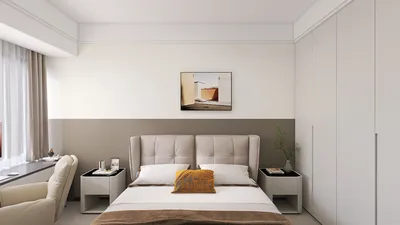


I once had a client interested in transforming his single-room home office into a vibrant Amazon-style pick-and-pack station, complete with neatly labeled bins and a glowing neon sign. Initially, I was skeptical, but I soon recognized that small spaces can indeed inspire grand ideas, and a touch of theatrical design can enliven even the most functional desks. If you're seeking playful yet practical designs, take a look at my office renovation case for a similar compact transformation, featuring the innovative design tool, Homestyler.
1. Compact workstations with designated task zones
I create small desks that distinguish between 'shipping' tasks and 'focused' work using straightforward dividers and surface textures. The benefits are clear — reduced visual chaos and quicker task transitions — although tighter circulation can be a challenge, prompting me to incorporate foldable surfaces to provide extra space when necessary.
2. Versatile shelving that serves dual purposes
Open shelving can store supplies, display sample products, and provide a great backdrop for video calls. While it looks appealing on camera and keeps everything within reach, it can attract dust and visual clutter. I suggest utilizing closed bins for smaller items and establishing a weekly cleaning routine to maintain its neatness.
save pin
3. Maximize vertical space: stack, hang, and repeat
When floor space is limited, consider going vertical. Tall, modular shelving and wall-mounted pegboards can offer storage solutions without encroaching on walking space. I often draft a 3D plan using Homestyler to assess sightlines and accessibility before purchasing shelves, which helps minimize returns on awkward items.
save pin
4. Create a branded environment with materials and lighting
Compact offices greatly benefit from cohesive materials: a uniform wood finish, a signature accent wall, and warm lighting give the space an intentional feel. The advantage is immediate brand recognition, while the downside is the permanence — changing finishes later can be time-intensive and costly, hence sampling first is advisable.
save pin
5. Tech-integrated designs that prioritize simplicity
Combining minimalist desks with smart technology allows a small office to perform exceptionally well. Features such as wireless chargers, vertical monitors, and compact scanners help maximize surface area. For a significant upgrade, I often experiment with an AI-enhanced redesign using Homestyler to optimize layouts and wiring, which can uncover surprisingly efficient solutions but requires an initial investment.
These five strategies are ones I apply to design Amazon-style office environments within confined spaces. Each concept blends functionality with a dash of character — and I've come to appreciate creatively placed neon signs as part of the decor.
save pin
FAQ
Q1: How can I emulate an Amazon workspace in a small office?
Utilize modular storage, clear labeling, and task-defined zones to ensure everything has its designated spot. Thoughtful choices in lighting and materials can create that retail-meets-office ambiance without necessitating a full remodel.
Q2: How can I enhance storage in a compact office?
Focus on vertical options, employ wall-mounted solutions, and select furniture that conceals storage. Modular bins and adaptable shelving provide flexibility as your needs evolve.
Q3: Are there budget-friendly methods to craft a professional video call backdrop?
Certainly — a single accent wall, a tidy shelf with curated items, and soft, flattering lighting can achieve more than high-end finishes. Ensure that props resonate with your brand for authenticity.
Q4: How can I prevent an Amazon-style office from appearing cluttered?
Implement a one-in, one-out rule for supplies, use labeled containers, and set aside time for brief daily tidying. Clearly demarcating task zones can help minimize clutter drift.
Q5: Can technology truly compact my desk setup?
Yes — wireless devices, vertical monitors, and small scanners reduce bulky equipment. Effective cable management can further diminish visual clutter and enhance ergonomics.
Q6: Is investing in AI for office layout planning worthwhile?
AI tools can efficiently explore various layouts and reveal ergonomic concerns that might be overlooked manually, quickening your decision-making process. While there’s an upfront cost, it often reduces expensive trial-and-error.
Q7: What safety and ventilation advice applies to small offices?
Proper ventilation and sufficient lighting are crucial. For workplace health guidelines, refer to the CDC's recommendations for office settings: https://www.cdc.gov/coronavirus/2019-ncov/community/office-buildings.html.
Q8: Where can I view examples or mockups before making decisions?
Check out project case studies and 3D visualizations to confirm dimensions and sightlines. Seeing a 3D plan via tools like Homestyler can help you avoid costly errors and ensures the design aligns with your workflow.
save pin
Discover your inner designer with Homestyler! This user-friendly online platform offers an intuitive design tool, stunning 3D renderings, and a wealth of DIY video tutorials. Whether you're a novice or an experienced decorator, you can effortlessly create your dream space and explore endless design possibilities.
立即免费设计
































