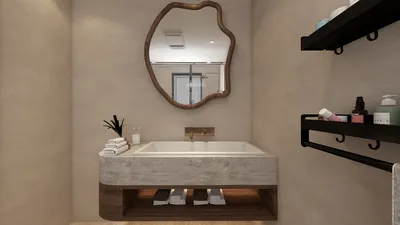


In today's tech-driven lifestyle, managing personal and professional connections efficiently often starts with tools inspired by CRM stock trends. As we integrate more digital organization into our daily routines, creating dedicated home office spaces with ergonomic furniture and smart storage solutions becomes essential. These setups not only enhance productivity but also bring harmony to the space where technology meets comfort and design.
I once had a client who wanted a full guest setup inside a 9㎡ office — they asked for a double bed, a desk, a printer corner and space for their bonsai. I laughed, nearly cried, then realized small spaces force smart design. If you want real examples, take a look at this office layout case I used to prove it can work.
1. Murphy bed with an integrated desk
I love incorporating a Murphy bed because it offers spaciousness during the day and transforms into a comfortable bed by night. I once installed one that had a fold-down desk attached to it — maximizing productivity during the day and ensuring relaxation at night; key considerations include wiring and mattress selection, which can be costly but ultimately save space and alleviate stress.
save pin
2. Sliding panels to create flexible privacy
Rather than constructing permanent walls, I frequently opt for sliding panels or floor-to-ceiling curtains to delineate the spaces. This method is both cost-effective and aesthetically pleasing, while guests appreciate the privacy it provides; however, it’s worth noting that sound insulation may not be as effective, so utilizing soft finishes and a plush rug can help mitigate noise.
save pin
3. Sleeper sofa with hidden storage (and why I sketch it in 3D)
A quality sleeper sofa creates a cozy living area during the day and serves as a guest nook at night, plus built-in storage helps keep clutter at bay. Before making a purchase, I always utilize 3D visualization to check sightlines and ensure there’s enough space — this saves on returns and unexpected issues, although good quality sleeper sofas can come at a higher price point than traditional couches.
save pin
4. Vertical hospitality: shelves, niches and fold-out appliances
When floor space is limited, my strategy is to build upwards. Features such as built-in shelving for linens, a recessed niche for bedside lighting, and a foldable luggage rack contribute to an airy feel. The key challenge is to plan for HVAC and electrical outlets early on; retrofitting later can be a complicated and costly adjustment.
save pin
5. Micro-kitchenette or hospitality station for real comfort
A compact counter featuring a kettle, mini-fridge, and coffee supplies can significantly enhance a guest’s experience without necessitating a full kitchen remodel. I adapt many ideas from small kitchen projects — see this kitchen layout study for inspiration — while ensuring plumbing remains straightforward to maintain budget control.
save pin
FAQ
Q1: How much space do I need to convert an office into a guest room?
Most compact conversions effectively function within 8–12 square meters, provided that multipurpose furniture and vertical storage solutions are prioritized. Smaller spaces are feasible with careful planning and smart furniture selections.
Q2: Is a Murphy bed better than a sofa bed for a small office guest room?
Generally, Murphy beds provide a superior mattress experience while conserving floor space, whereas sofa beds tend to be more casual and conducive to social interaction. Opt for a Murphy if bed quality is a priority; choose a sleeper sofa if daytime seating is more crucial.
Q3: How do I handle privacy and sound in a small conversion?
Employ layered textiles, acoustic panels, and thick rugs to absorb noise, alongside sliding panels or curtains for visual seclusion. Ideally, position the bed away from the primary entrance and HVAC outlets when possible.
Q4: What are affordable furniture choices that still look good?
Seek out modular furnishings with multifunctional capabilities: such as a desk that serves as a bedside table or ottomans that provide storage. Mid-range brands often deliver better durability at a reasonable price compared to ultra-cheap alternatives that can disappoint.
Q5: Can I add a small kitchenette legally and safely?
Yes, as long as you comply with local plumbing and electrical regulations; it's advisable to avoid gas appliances unless proper ventilation is established. For life-safety compliance, consult codes like NFPA 101 (Life Safety Code) to ensure safety standards and egress are maintained.
Q6: How should I light a multi-use office/guest room?
Layer lighting effectively: utilize bright task lighting for the desk, warm bedside fixtures for sleep, and adjustable overhead lights to harmonize the area. Smart switches allow you to change the room’s ambiance without complicated rewiring.
Q7: Any quick styling tips to make the room feel welcoming?
Maintain a cohesive color scheme, incorporate a soft throw, and set out a small tray with guest essentials. Adding plants or artwork personalizes the area, while including a mirror can enhance light and depth, particularly in smaller rooms.
Q8: How do I balance budget and quality in a small office guest room?
Prioritize investing in the mattress or sleeper mechanism, while selecting budget-friendly finishes for other elements; utilizing 3D planning and precise measurements helps minimize unnecessary expenses. My projects usually allocate around 40% of the overall budget to core sleep-related furniture to ensure comfort over time.
save pin


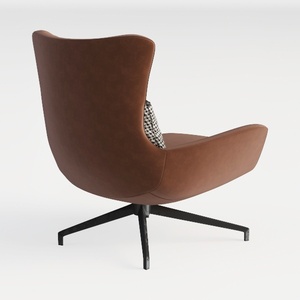
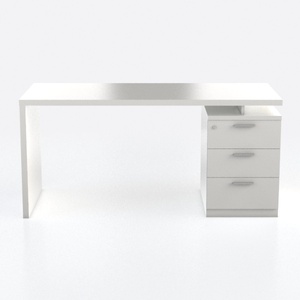
Looking to transform your home? Homestyler offers an intuitive online design tool that brings your ideas to life with stunning 3D renderings. Explore numerous design projects and enhance your skills with helpful video tutorials. Dive into the world of home design effortlessly!

































