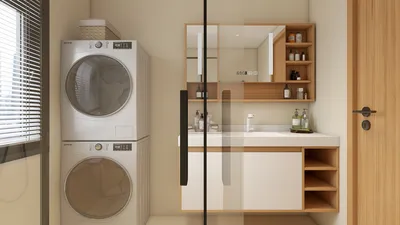


I once persuaded a client to transform their cramped rental bathroom by painting it in a calming deep sage hue, turning it into a spa-like retreat — though I had to endure the lingering paint smell during their deliberation for three days. This experience highlighted the remarkable impact of green: it can bring tranquility, vibrancy, or even overwhelm a space, depending on its scale and sheen. Small bathrooms serve as ideal spaces for experimenting with color, allowing you to achieve significant personality with minimal risk. To visualize concepts efficiently, I often create a bathroom moodboard using Homestyler to finalize color tones before making any purchases.
1. Layering shades of green for depth
My favorite approach is to combine two or three shades of green — imagine soft sage on the walls, deep forest on the vanity, and minty tiles as a stylish accent. This method creates a cohesive appearance while still feeling lively; however, the downside is that clashing greens could lead to a muddled effect. To ensure compatibility, I always test paint samples under bathroom lighting, reserving the brightest greens for small decorative items like a plant pot or soap dish.
save pin
2. Green tiles as focal points (small runs, big impact)
Incorporating green tiles in a strip or just behind a vanity can create a stunning focal point without committing to the entire room. This is a cost-effective strategy: invest in a few boxes of bold tiles and blend them with simple, cost-effective tiles elsewhere. One challenge is the grout color — I prefer warm grey grout to achieve a less sterile look.
save pin
3. Natural elements to balance vibrant hues
Green complements natural materials like wood, rattan, and matte brass beautifully. In one project, I selected a walnut floating shelf along with brass hooks to warm up an olive-green wall, creating a textured and inviting atmosphere. However, moisture can be an issue; it's best to opt for sealed woods or engineered materials for durability in humid environments.
save pin
4. Incorporating plants and lighting for added texture
Live plants enhance green decor immensely, although not every bathroom benefits from natural light. For areas lacking sunlight, I recommend heartleaf philodendron or pothos, along with layered artificial lighting to simulate daylight. If you're looking to see how light interacts with surfaces before investing in fixtures, I sometimes produce quick 3D mockups using Homestyler to expedite the decision-making process.
save pin
5. Simple updates that exude luxury
Replacing towels, a shower curtain, and a mirror frame in shades of green offers a swift refresh that appears professionally designed. This option is budget-friendly and reversible, making it perfect for renters or clients who are unsure; the only potential downside is that mismatched pieces can seem cheap. Thus, I suggest sticking to a streamlined palette and incorporating a standout material like marble or brass to solidify the aesthetic. Before finalizing a new layout, sketching a quick floor plan using Homestyler can save you time and frustration.
save pin
FAQ
Q: Which shades of green are best suited for small bathrooms?
A: Soothing muted greens like sage, olive, and light moss usually perform best as they reflect light without being overwhelming. It's advisable to test samples on the wall at various times of day to observe how the hue evolves.
Q: Is it possible to use green in a bathroom without windows?
A: Definitely — opt for lighter and warmer greens and incorporate layered lighting (both ambient and task) to avoid a cave-like feel. Glossy tiles can also help reflect light effectively.
Q: Are green tiles a wise investment for resale?
A: Subtle and neutral greens can appeal to prospective buyers, however, very bold or trendy shades might limit marketability. When resale is a priority, consider keeping permanent elements neutral.
Q: How can I prevent mold with green decor items?
A: Utilize moisture-resistant materials and ensure adequate ventilation; regular maintenance of wet surfaces is crucial. For comprehensive guidance on mold prevention, refer to the EPA’s resources.
Q: Which finishes pair harmoniously with green?
A: Warm metals such as brass or bronze, natural woods, and matte ceramics establish a balanced, high-end appearance. It’s wise to limit the use of cool chrome finishes unless a modern feel is your goal.
Q: How much should I allocate for refreshing a green bathroom?
A: Minor updates (like paint, textiles, and a mirror) can typically be accomplished for under a few hundred dollars; however, tile work and plumbing upgrades will significantly raise costs. I always suggest budgeting for unexpected plumbing or material repairs.
Q: Can renters design a green bathroom without making permanent changes?
A: Absolutely — using removable wallpaper, peel-and-stick tiles, fresh towels, standalone shelves, and adhesive hooks can create a substantial impact and are entirely reversible. Focus on textiles and accessories for the greatest effect.
Q: How do I select complementary colors for green?
A: Neutrals like warm beige, soft greys, and off-whites work harmoniously; for contrast, navy or terracotta can be eye-catching. If you're seeking digital assistance in arranging color pairings, consider utilizing tools that show how finishes interact in context.
save pin
Homestyler is an outstanding online platform for home design enthusiasts! With its user-friendly design tool, stunning 3D renderings, and a wealth of DIY video tutorials, you can effortlessly create and visualize your dream spaces. Transform your home design journey today with Homestyler!
Diseño ahora GRATIS
































